Killing Fields: Why is it so hard to destroy an airbase
Description
For decades, air force bases have been considered the highest-value and most prestigious targets on the modern battlefield. On paper, the concept sounds simple: destroy the runways and neutralize the enemy's power before they even take flight. But in reality, as "The Captain" column demonstrates, destroying an airbase and putting it out of commission is one of the most complex, expensive, and frustrating missions for any military. Despite the development of specialized concrete-penetrating bombs and precision missiles, military history is riddled with failed attempts and the extraordinary resilience of ground infrastructure. The primary reason for this difficulty lies in the evolution of military engineering. Modern airbases are more than just strips of asphalt; they are fortified citadels featuring armored underground hangars, rapid runway repair systems, and redundant capabilities that allow the base to remain operational even under heavy fire. During the Six-Day War, Israel's Operation Focus successfully paralyzed Arab air forces thanks to the element of surprise and cutting-edge technology for its time, but the world has since learned its lesson. Today, nations invest vast fortunes in building dual runways, reinforced concrete layers several meters thick, and wide aircraft dispersal patterns to prevent a single decisive blow. Beyond physical fortification, the battle for airfields is a technological game of cat and mouse. While one side develops "runway-crater bombs" designed to dig deep and prevent quick fixes, the other perfects specialized filling materials that harden in minutes, allowing for takeoffs shortly after a strike. In this video, we dive deep into military strategy, examine the engineering behind the runways, and see why, despite all the missiles and drones, the airbase remains a "tough nut to crack" that refuses to surrender. Read the full article on the Calcalist website for more details on the fascinating history of aerial warfare: https://bit.ly/359il8W Don't forget to subscribe to the Calcalist YouTube channel to stay updated on all episodes of "The Captain" and the most in-depth military analyses.
Original title
שדות הקטל: למה כל כך קשה להשמיד בסיס אווירי?
במשך עשרות שנים, בסיסי חיל האוויר נחשבו למטרות האיכותיות והיוקרתיות ביותר בשדה הקרב המודרני. הרעיון נשמע פשוט על הנייר: השמד את מסלולי ההמראה, והשבתת את כוחו של האויב עוד לפני שהמריא לאוויר. אך במציאות, כפי שמדגים טור "הקברניט", השמדת בסיס אווירי והוצאתו מכלל פעולה היא אחת המשימות המורכבות, היקרות והמתסכלות ביותר עבור כל צבא. למרות פיתוחן של פצצות ייעודיות חודרות בטון וטילים מדויקים, ההיסטוריה הצבאית רצופה בניסיונות כושלים ובעמידות יוצאת דופן של המערך הקרקעי. הסיבה המרכזית לקושי זה טמונה באבולוציה של ההנדסה הצבאית. בסיסי טיסה מודרניים אינם רק רצועות אספלט; הם מצודות מבוצרות הכוללות דת"קים (דיר תת-קרקעי) משוריינים, מערכות פינצטה לתיקון מהיר של מסלולים ויכולות יתירות המאפשרות לבסיס להמשיך לתפקד גם תחת אש כבדה. במהלך מלחמת ששת הימים, מבצע "מוקד" הישראלי הצליח לשתק את חילות האוויר של מדינות ערב בזכות אלמנט ההפתעה וטכנולוגיה חדשנית לאותה עת, אך מאז למד העולם את הלקח. כיום, מדינות משקיעות הון עתק בבניית מסלולים כפולים, שכבות בטון מזוין בעובי מטרים ופריסה רחבה של כלי הטיס כדי למנוע מכה אחת ניצחת. מעבר לביצור הפיזי, הקרב על שדות התעופה הוא משחק של חתול ועכבר טכנולוגי. בעוד שצד אחד מפתח "פצצות מסלולים" שנועדו ליצור מכתשים עמוקים ולמנוע תיקון מהיר, הצד השני משכלל חומרי מילוי המתקשים בתוך דקות ספורות ומאפשרים המראה מחודשת זמן קצר לאחר התקיפה. בסרטון זה נצלול לעומק האסטרטגיה הצבאית, נבין את ההנדסה שמאחורי מסלולי הטיסה, ונראה מדוע למרות כל הטילים והמל"טים, הבסיס האווירי נותר "מטרה קשה לפיצוח" שמסרבת להיכנע. לכתבה המלאה באתר כלכליסט ולפרטים נוספים על ההיסטוריה המרתקת של לוחמת האוויר: https://bit.ly/359il8W אל תשכחו להירשם לערוץ כלכליסט ביוטיוב כדי להישאר מעודכנים בכל פרקי "הקברניט" ובניתוחים הצבאיים המעמיקים ביותר.
תמלול הסרטון
לסרטון זה אין כתוביות זמינות ביוטיוב.
ניתן ליצור תמלול מקורב באמצעות AI על בסיס פרטי הסרטון.
Related Videos


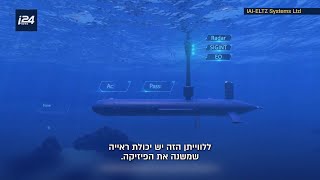
The Autonomous Israeli Submarine That Changes the Laws of War
Israel Aerospace Industries' (IAI) latest innovation, the BlueWhale, is redefining the capabilities of underwater warfare through full autonomy, operating entirely without human intervention. This system is designed to conduct covert, long-endurance intelligence-gathering missions off enemy coasts, significantly reducing the risk to human life while lowering operational costs. The ability to operate independently in the depths makes this vessel a strategic asset in the modern battlefield, where control over information is the key to victory. The project was born out of a growing operational need to monitor threatened shipping lanes and address both classical and emerging underwater threats. Throughout history, submarines have been the most clandestine assets in any fleet, yet manpower and logistical constraints have traditionally limited their time in high-risk zones. The BlueWhale overcomes these obstacles, allowing the State of Israel and IAI’s customers to maintain a permanent, invisible presence beneath the surface for weeks at a time. Technologically, the submarine is equipped with an advanced sensor suite including radar, electro-optical systems, and sonars capable of mapping the seabed with precision reminiscent of Google Maps. The system utilizes satellite communication for real-time data transmission and is capable of automatically detecting hostile submarines or naval mines. Measuring approximately 11 meters in length and powered by a silent electric propulsion system, it evades detection while providing a continuous intelligence picture that was previously considered impossible to achieve. The entry of such autonomous vessels into the maritime arena raises fascinating questions about the future of naval warfare and the impact of artificial intelligence on combat decision-making. While the technical capability is already here, the strategic implications of a silent robotic fleet roaming the oceans are only the beginning of a revolution that will shift the global balance of power. Now, it remains to be seen how other navies around the world will respond to the new standard set by Israeli industry.




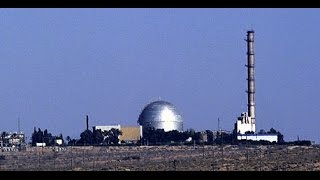
Nuclear reactor, from inside
A rare documentary journey into the heart of the Negev Nuclear Research Center reveals, for the first time, what transpires behind the heavy security walls of one of the most mysterious facilities in the world. This exposé offered an unprecedented glimpse into the interior of the Israeli nuclear reactor, blending footage from the development and production center with personal testimonies from the individuals entrusted with the nation’s security. The compelling narrative focuses on senior officials and scientists working at the Dimona atomic facility, who break their silence to share details about their lifestyles and clandestine work. In an extraordinary meeting held at a local pub in Beersheba, the human side of this strategic enterprise is revealed—an apparatus established in the 1950s and 60s under a veil of ambiguity, far from the eyes of the public and the international media. On a technical level, the documentary details the maintenance and upgrade processes of the core and the various systems surrounding the nuclear reactor, addressing safety challenges and operational complexities. The findings presented shed light on the technology that enables the facility to remain operational over decades and examine the capabilities attributed to the State of Israel in the fields of energy and nuclear physics. Revealing the faces of the workers and their open dialogue regarding the heavy responsibility resting on their shoulders raises fascinating questions about the future of nuclear energy in the region and the balance of deterrence in the 21st century. The significance of this glimpse extends beyond the purely scientific; it touches the raw nerves of modern history and the security mysteries that have preoccupied the global intelligence community and organizations like the IAEA for generations.

Svalbard Journey Part 5: Ny-Ålesund, the World's Northernmost Settlement
The journey into the depths of the North Pole reaches Ny-Ålesund, the northernmost permanent settlement on Earth, located in the Svalbard archipelago. This chapter explores the unique way of life in this isolated outpost, which now serves as a groundbreaking international research hub for climate and atmospheric sciences. The visit reveals how a small community manages to survive and operate under some of the most extreme conditions found on our planet. The settlement's history is defined by a constant struggle against the elements, from its origins as a coal mining colony to its transformation into a strategic base for NASA and other space agencies. It was from here that many historic expeditions set out to conquer the North Pole, utilizing early aviation technology and iconic airships. The site carries a rich legacy of human daring and geographical discoveries that redrew the world map. On a technical level, Ny-Ålesund operates under a strict "radio silence" policy to allow sensitive instruments to capture signals from deep space and satellites. Local laboratories are equipped with advanced technologies that monitor greenhouse gas levels with maximum precision, far removed from the industrial pollution of civilization. The data collected at these tracking stations is used by the global scientific community to understand the complex geophysical processes occurring at the poles. Life in this northern settlement raises fascinating questions about the future of polar research and humanity's ability to survive in hostile environments. As the glaciers surrounding Svalbard continue to undergo dramatic transformations, the outpost remains a critical sentinel for understanding the global changes unfolding before our eyes. It is a rare glimpse into a place where the lines between science, history, and the untamed wilderness are completely blurred.
The Release of Mordechai Vanunu: April 21 2004
This rare footage captures the dramatic release of Mordechai Vanunu from Shikma Prison in April 2004, an event that marked the end of 18 long years of incarceration. The video closely follows his exit from the prison walls, the international media frenzy surrounding the move, and the first public statements made by the man known as the "Atomic Spy" upon regaining his freedom. The saga began in 1986 when Vanunu, a former technician at the Negev Nuclear Research Center, leaked classified information and photographs to the British newspaper *The Sunday Times*. The revelations shocked the Israeli defense establishment and shed unprecedented light on Israel's purported nuclear capabilities. After being abducted by the Mossad in Italy and brought to trial in Israel, he was convicted of treason and aggravated espionage, serving the majority of his sentence under harsh conditions in solitary confinement. The footage documents the extensive security preparations around the detention facility and the legal battle regarding the restrictions imposed on him upon his release. These scenes highlight the tension between freedom of speech and the protection of state secrets, as defense authorities argued he still possessed undisclosed classified information. In the recording, Vanunu is seen addressing the global media in English, calling for the denuclearization of the region. Vanunu’s release did not end the affair; rather, it opened a new chapter of legal struggles concerning the movement and communication restrictions placed upon him. The video raises poignant questions about the thin line between ideology and treason, and the long-term impact of exposing state secrets on regional deterrence. To this day, the case remains one of the most complex and controversial stories of espionage and conscience in Israel's modern history.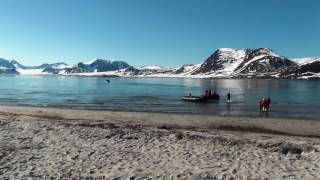
In Search of the Polar Bear Journey to Svalbard and the North Pole
*Svalbard: In the Footsteps of the Polar Bear* documents a daunting and spectacular expedition, tracing the path of an icebreaker and Zodiac boats from the island of Spitsbergen toward the infinite ice shelves of the North Pole. The journey explores one of the most remote and untamed regions on Earth, a place where nature alone holds absolute sovereignty. The lens moves in close to witness the region’s fragile ecosystem, examining how wildlife survives under these extreme conditions. The Svalbard archipelago, situated in the Arctic Ocean under Norwegian sovereignty, has historically served as a departure point for daring research expeditions and whalers. This film focuses on this isolated cluster of islands, which has evolved into a living laboratory for NASA and international environmental organizations monitoring climate change. Once a strategic focal point for resource conflicts, the region now stands as the front line for understanding global warming and its profound impact on the poles. Throughout the documentation, the complex navigation methods of the icebreaker are revealed as it carves a path through dense pack ice, utilizing advanced GPS systems and real-time satellite imagery. Close encounters with polar bears in their natural habitat provide a rare glimpse into their hunting and survival techniques atop floating glaciers. Furthermore, the film examines the interaction between human technology and the frozen, unpredictable environment of the High North. The journey raises poignant questions about the future of the Arctic ice shelf and the gradual disappearance of wildlife habitats. Will humanity succeed in preserving the white wonder of Svalbard, or are we witnessing the final generations of the polar bear in its natural environment? This footage serves as a historical visual record and a powerful reminder of the beauty and vulnerability of our world’s northernmost reaches.
Orna Klein: Inside Testimony on the Yemenite Children Affair
Orna Klein’s harrowing personal testimony sheds new light on the painful affair of the Yemenite, Mizrahi, and Balkan children, centered on her family’s unique story from Kfar Saba. This overview presents viewers with the ongoing struggle to uncover the truth, providing access to rare historical documentation that remained classified within the archives for decades. The historical background of the affair is rooted in the early years of the State of Israel—a period defined by mass immigration and harsh living conditions in transit camps. The timing of these testimonies is essential for understanding the institutional mechanisms at play during those years, as the fates of thousands of children remained shrouded in mystery while their families continue to search for answers to this day. This documentation is dedicated to the memory of Dr. Georg Herlitz, founder of the Central Zionist Archives, who championed the importance of meticulous historical record-keeping. As part of the findings presented, documents and correspondence are examined to cross-reference information between hospitals, welfare authorities, and the population registry of that era. Tracking these technical records raises poignant questions regarding the reliability of the data provided to parents and the discrepancies revealed only after the opening of adoption files and the protocols of various state commissions of inquiry. These revelations have a profound impact on Israeli identity and the trust between citizens and government institutions, even many decades later. The question of whether the full truth will ever be revealed remains open, while this current documentation serves as another pillar in the commemorative effort and the demand for historical justice for the families left without answers.





Recommended for you
More content about Historical Findings you might like


Cookies & Privacy 🍪
We use cookies to improve your experience
For more information, see our Privacy Policy