The Search for Extraterrestrial Life
Description
Are we alone in the universe? This is perhaps the oldest and most intriguing question in human history. For generations, we have looked to the stars searching for a hint of another civilization, but only in recent decades has this search transformed from science fiction into an exact, fascinating, and groundbreaking science. In this in-depth review, Dr. David Polishook, an astronomer and the director of the Weizmann Institute of Science’s observatory, takes us on a journey to the edge of human knowledge to understand how modern science attempts to locate signs of life across the infinite reaches of the cosmos. The search does not focus merely on "little green men" as depicted in cinema, but primarily on identifying "biosignatures"—gases such as oxygen or methane in the atmospheres of distant planets that could indicate the presence of living organisms, even at a microbial level. Scientists scan the "Habitable Zone," the specific range of distance from a host star that allows for the existence of liquid water on a surface—considered the most critical ingredient for life as we know it. Using advanced telescopes and a combination of optical observations and spectroscopic analysis, we are now able to "break down" the light traveling from distant galaxies to decipher their chemical composition. Beyond scanning distant galaxies, our eyes are also turned toward our close neighbors within the solar system. From the icy shells of Jupiter and Saturn’s moons, such as Europa and Enceladus, to the red deserts of Mars—science investigates whether extreme conditions might host "extremophiles," organisms capable of surviving in hostile environments. Throughout this video, Dr. Polishook explains the sophisticated methods researchers use to distinguish between cosmic background noise and genuine signals, and how new technologies are allowing us to peer further than ever before into the unknown. This is a story of curiosity, technology, and the relentless human drive to find our place within the cosmic tapestry. Join us for a fascinating encounter where science meets mystery, and discover just how close we are to the moment when we might finally know that we are not alone in the vast darkness of the universe. Presenter: Dr. David Polishook, Director of the Weizmann Institute of Science Observatory Cinematography: Liora Zaiton Direction and Editing: Daniel Edri and the "Science in the Studio" team
Original title
החיפוש אחר חיים מחוץ לכדור הארץ
האם אנחנו לבד ביקום? זוהי ככל הנראה השאלה העתיקה והמסקרנת ביותר בתולדות האנושות. במשך דורות הבטנו אל הכוכבים בחיפוש אחר רמז לציוויליזציה נוספת, אך רק בעשורים האחרונים הפך החיפוש הזה ממדע בדיוני למדע מדויק, מרתק ופורץ דרך. בסקירה מעמיקה זו, ד"ר דוד פולישוק, אסטרונום ומנהל מצפה הכוכבים של מכון ויצמן למדע, לוקח אותנו למסע אל קצה גבול הידע האנושי כדי להבין כיצד המדע המודרני מנסה לאתר סימני חיים במרחבי הקוסמוס האינסופיים. החיפוש אינו מתמקד רק ב"חייזרים ירוקים" כפי שמוצגים בקולנוע, אלא בראש ובראשונה בזיהוי "חתימות ביולוגיות" – גזים כמו חמצן או מתאן באטמוספירות של כוכבי לכת מרוחקים, שיכולים להעיד על קיומם של יצורים חיים, אפילו בקטריאליים. המדענים סורקים את "האזור הישיב" (Habitable Zone), אותו טווח מרחק מכוכב האם המאפשר קיום של מים נוזלים על פני השטח, הנחשבים למרכיב הקריטי ביותר לחיים כפי שאנו מכירים אותם. באמצעות טלסקופים מתקדמים ושילוב של תצפיות אופטיות וניתוח ספקטרוסקופי, אנו מצליחים כיום "לפרק" את האור המגיע מגלקסיות רחוקות ולפענח את הרכבן הכימי. מעבר לחיפוש בגלקסיות רחוקות, העיניים נשואות גם לשכנים הקרובים שלנו בתוך מערכת השמש. מהקרח של ירחי צדק ושבתאי, כמו אירופה ואנקלדוס, ועד למדבריות האדומים של מאדים – המדע בודק האם תנאי קיצון עשויים לאכלס "אקסטרימופילים", אורגניזמים המסוגלים לשרוד בסביבות עוינות. במהלך הסרטון, ד"ר פולישוק מסביר את השיטות המתוחכמות שבהן משתמשים חוקרים כדי להבדיל בין רעש רקע קוסמי לבין אותות של ממש, וכיצד טכנולוגיות חדשות מאפשרות לנו להציץ רחוק יותר מאי פעם אל עבר הלא נודע. זהו סיפור על סקרנות, על טכנולוגיה ועל השאיפה הבלתי פוסקת של האדם למצוא את מקומו בתוך המארג הקוסמי. הצטרפו אלינו למפגש מרתק שבו המדע פוגש את המסתורין, וגלו עד כמה אנחנו קרובים לרגע שבו נדע, אולי לראשונה, שאיננו לבד בחושך הגדול של היקום. הגשה: ד"ר דוד פולישוק, מנהל מצפה הכוכבים של מכון ויצמן למדע צילום: ליאורה זיתון בימוי ועריכה: דניאל אדרי וצוות "מדע בסטיו"
תמלול הסרטון
לסרטון זה אין כתוביות זמינות ביוטיוב.
ניתן ליצור תמלול מקורב באמצעות AI על בסיס פרטי הסרטון.
Related Videos


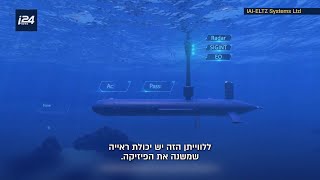
The Autonomous Israeli Submarine That Changes the Laws of War
Israel Aerospace Industries' (IAI) latest innovation, the BlueWhale, is redefining the capabilities of underwater warfare through full autonomy, operating entirely without human intervention. This system is designed to conduct covert, long-endurance intelligence-gathering missions off enemy coasts, significantly reducing the risk to human life while lowering operational costs. The ability to operate independently in the depths makes this vessel a strategic asset in the modern battlefield, where control over information is the key to victory. The project was born out of a growing operational need to monitor threatened shipping lanes and address both classical and emerging underwater threats. Throughout history, submarines have been the most clandestine assets in any fleet, yet manpower and logistical constraints have traditionally limited their time in high-risk zones. The BlueWhale overcomes these obstacles, allowing the State of Israel and IAI’s customers to maintain a permanent, invisible presence beneath the surface for weeks at a time. Technologically, the submarine is equipped with an advanced sensor suite including radar, electro-optical systems, and sonars capable of mapping the seabed with precision reminiscent of Google Maps. The system utilizes satellite communication for real-time data transmission and is capable of automatically detecting hostile submarines or naval mines. Measuring approximately 11 meters in length and powered by a silent electric propulsion system, it evades detection while providing a continuous intelligence picture that was previously considered impossible to achieve. The entry of such autonomous vessels into the maritime arena raises fascinating questions about the future of naval warfare and the impact of artificial intelligence on combat decision-making. While the technical capability is already here, the strategic implications of a silent robotic fleet roaming the oceans are only the beginning of a revolution that will shift the global balance of power. Now, it remains to be seen how other navies around the world will respond to the new standard set by Israeli industry.



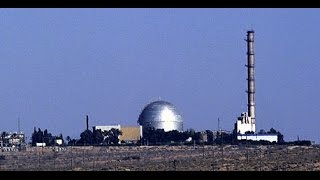
Nuclear reactor, from inside
A rare documentary journey into the heart of the Negev Nuclear Research Center reveals, for the first time, what transpires behind the heavy security walls of one of the most mysterious facilities in the world. This exposé offered an unprecedented glimpse into the interior of the Israeli nuclear reactor, blending footage from the development and production center with personal testimonies from the individuals entrusted with the nation’s security. The compelling narrative focuses on senior officials and scientists working at the Dimona atomic facility, who break their silence to share details about their lifestyles and clandestine work. In an extraordinary meeting held at a local pub in Beersheba, the human side of this strategic enterprise is revealed—an apparatus established in the 1950s and 60s under a veil of ambiguity, far from the eyes of the public and the international media. On a technical level, the documentary details the maintenance and upgrade processes of the core and the various systems surrounding the nuclear reactor, addressing safety challenges and operational complexities. The findings presented shed light on the technology that enables the facility to remain operational over decades and examine the capabilities attributed to the State of Israel in the fields of energy and nuclear physics. Revealing the faces of the workers and their open dialogue regarding the heavy responsibility resting on their shoulders raises fascinating questions about the future of nuclear energy in the region and the balance of deterrence in the 21st century. The significance of this glimpse extends beyond the purely scientific; it touches the raw nerves of modern history and the security mysteries that have preoccupied the global intelligence community and organizations like the IAEA for generations.

Svalbard Journey Part 5: Ny-Ålesund, the World's Northernmost Settlement
The journey into the depths of the North Pole reaches Ny-Ålesund, the northernmost permanent settlement on Earth, located in the Svalbard archipelago. This chapter explores the unique way of life in this isolated outpost, which now serves as a groundbreaking international research hub for climate and atmospheric sciences. The visit reveals how a small community manages to survive and operate under some of the most extreme conditions found on our planet. The settlement's history is defined by a constant struggle against the elements, from its origins as a coal mining colony to its transformation into a strategic base for NASA and other space agencies. It was from here that many historic expeditions set out to conquer the North Pole, utilizing early aviation technology and iconic airships. The site carries a rich legacy of human daring and geographical discoveries that redrew the world map. On a technical level, Ny-Ålesund operates under a strict "radio silence" policy to allow sensitive instruments to capture signals from deep space and satellites. Local laboratories are equipped with advanced technologies that monitor greenhouse gas levels with maximum precision, far removed from the industrial pollution of civilization. The data collected at these tracking stations is used by the global scientific community to understand the complex geophysical processes occurring at the poles. Life in this northern settlement raises fascinating questions about the future of polar research and humanity's ability to survive in hostile environments. As the glaciers surrounding Svalbard continue to undergo dramatic transformations, the outpost remains a critical sentinel for understanding the global changes unfolding before our eyes. It is a rare glimpse into a place where the lines between science, history, and the untamed wilderness are completely blurred.
The Release of Mordechai Vanunu: April 21 2004
This rare footage captures the dramatic release of Mordechai Vanunu from Shikma Prison in April 2004, an event that marked the end of 18 long years of incarceration. The video closely follows his exit from the prison walls, the international media frenzy surrounding the move, and the first public statements made by the man known as the "Atomic Spy" upon regaining his freedom. The saga began in 1986 when Vanunu, a former technician at the Negev Nuclear Research Center, leaked classified information and photographs to the British newspaper *The Sunday Times*. The revelations shocked the Israeli defense establishment and shed unprecedented light on Israel's purported nuclear capabilities. After being abducted by the Mossad in Italy and brought to trial in Israel, he was convicted of treason and aggravated espionage, serving the majority of his sentence under harsh conditions in solitary confinement. The footage documents the extensive security preparations around the detention facility and the legal battle regarding the restrictions imposed on him upon his release. These scenes highlight the tension between freedom of speech and the protection of state secrets, as defense authorities argued he still possessed undisclosed classified information. In the recording, Vanunu is seen addressing the global media in English, calling for the denuclearization of the region. Vanunu’s release did not end the affair; rather, it opened a new chapter of legal struggles concerning the movement and communication restrictions placed upon him. The video raises poignant questions about the thin line between ideology and treason, and the long-term impact of exposing state secrets on regional deterrence. To this day, the case remains one of the most complex and controversial stories of espionage and conscience in Israel's modern history.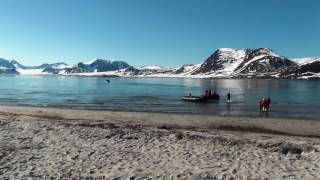
In Search of the Polar Bear Journey to Svalbard and the North Pole
*Svalbard: In the Footsteps of the Polar Bear* documents a daunting and spectacular expedition, tracing the path of an icebreaker and Zodiac boats from the island of Spitsbergen toward the infinite ice shelves of the North Pole. The journey explores one of the most remote and untamed regions on Earth, a place where nature alone holds absolute sovereignty. The lens moves in close to witness the region’s fragile ecosystem, examining how wildlife survives under these extreme conditions. The Svalbard archipelago, situated in the Arctic Ocean under Norwegian sovereignty, has historically served as a departure point for daring research expeditions and whalers. This film focuses on this isolated cluster of islands, which has evolved into a living laboratory for NASA and international environmental organizations monitoring climate change. Once a strategic focal point for resource conflicts, the region now stands as the front line for understanding global warming and its profound impact on the poles. Throughout the documentation, the complex navigation methods of the icebreaker are revealed as it carves a path through dense pack ice, utilizing advanced GPS systems and real-time satellite imagery. Close encounters with polar bears in their natural habitat provide a rare glimpse into their hunting and survival techniques atop floating glaciers. Furthermore, the film examines the interaction between human technology and the frozen, unpredictable environment of the High North. The journey raises poignant questions about the future of the Arctic ice shelf and the gradual disappearance of wildlife habitats. Will humanity succeed in preserving the white wonder of Svalbard, or are we witnessing the final generations of the polar bear in its natural environment? This footage serves as a historical visual record and a powerful reminder of the beauty and vulnerability of our world’s northernmost reaches.
Orna Klein: Inside Testimony on the Yemenite Children Affair
Orna Klein’s harrowing personal testimony sheds new light on the painful affair of the Yemenite, Mizrahi, and Balkan children, centered on her family’s unique story from Kfar Saba. This overview presents viewers with the ongoing struggle to uncover the truth, providing access to rare historical documentation that remained classified within the archives for decades. The historical background of the affair is rooted in the early years of the State of Israel—a period defined by mass immigration and harsh living conditions in transit camps. The timing of these testimonies is essential for understanding the institutional mechanisms at play during those years, as the fates of thousands of children remained shrouded in mystery while their families continue to search for answers to this day. This documentation is dedicated to the memory of Dr. Georg Herlitz, founder of the Central Zionist Archives, who championed the importance of meticulous historical record-keeping. As part of the findings presented, documents and correspondence are examined to cross-reference information between hospitals, welfare authorities, and the population registry of that era. Tracking these technical records raises poignant questions regarding the reliability of the data provided to parents and the discrepancies revealed only after the opening of adoption files and the protocols of various state commissions of inquiry. These revelations have a profound impact on Israeli identity and the trust between citizens and government institutions, even many decades later. The question of whether the full truth will ever be revealed remains open, while this current documentation serves as another pillar in the commemorative effort and the demand for historical justice for the families left without answers.




מאמרים קשורים

רוזוול: תשכחו כל מה שידעתם
תקרית רוזוול היא יותר מסתם סיפור על עב"מים. מאמר זה בוחן את העדויות, הטענות לסודות ממשלתיים, ואת דמותו של ג'סי מרסל, איש המודיעין שהיה שם ראשון.
4 דק׳
הסטונהנג' של ניו המפשייר: אתר האבנים המסתורי שאיש לא יודע מי בנה
במעמקי יער בניו המפשייר עומד מתחם אבנים עתיק עם "שולחן הקרבה" ענק. מי בנה אותו? מתי? ולמה הסיפור הרשמי לא ממש מסתדר?
4 דק׳עוגיות ופרטיות 🍪
אנו משתמשים בעוגיות לשיפור החוויה שלך
למידע נוסף ראו את מדיניות הפרטיות