Historical evidence confirms Germany secretly funded the reactor
Description
This gripping journey into the heart of the Iranian nuclear program reveals a complex web of diplomatic and financial ties directly linking Europe to the Middle East. The investigation demonstrates how global powers and economic interests have shaped the atomic balance of terror, while examining the surprising role Germany played in building the Islamic Republic's energy and research infrastructure. The roots of the affair lie in the final decades of the 20th century, when industrial giants such as Siemens and Kraftwerk Union were deeply involved in the construction of nuclear reactors on Iranian soil. These historical processes, which began during the era of the Shah, continued under a veil of secrecy and realpolitik, laying the foundations for the technological capabilities that today preoccupy NASA and Western intelligence agencies. On a technical level, the exposé focuses on the Bushehr facility and the critical knowledge transfer processes that allowed the project to accelerate despite heavy international sanctions. Through an analysis of advanced centrifuge models and the structure of the reactor core, findings emerge pointing to German financing as a key factor that enabled the acquisition of the most sensitive components required for uranium enrichment. The current struggle and regional military tensions raise poignant questions about the world's nuclear future and the impact of war on Middle Eastern stability. Understanding the historical involvement of European powers not only sheds light on the past, but forces us to re-examine moral responsibility and the influence of economic decisions on questions of global survival and national security in the modern era.
Original title
הרמזים ההיסטוריים מובילים למסקנה חותכת: גרמניה מימנה בחשאי את הכור ...
המסע המרתק בעקבות תוכנית הגרעין האיראנית חושף רשת סבוכה של קשרים דיפלומטיים ופיננסיים המקשרים ישירות בין אירופה למזרח התיכון. החקירה מציגה כיצד כוחות גלובליים ואינטרסים כלכליים עיצבו את מאזן האימה האטומי, תוך בחינת התפקיד המפתיע שמילאה גרמניה בבניית תשתית האנרגיה והמחקר של הרפובליקה האסלאמית. שורשי הפרשה נעוצים בעשורים האחרונים של המאה ה-20, כאשר חברות ענק כמו Siemens ו-Kraftwerk Union היו מעורבות באופן עמוק בהקמת כורים גרעיניים על אדמת איראן. התהליכים ההיסטוריים הללו, שהחלו עוד בתקופת השאה, נמשכו תחת מעטה של חשאיות ופוליטיקה ריאליסטית, והניחו את היסודות ליכולות הטכנולוגיות שמעסיקות כיום את NASA ואת סוכנויות הביון במערב. ברמה הטכנית, החשיפה מתמקדת במתקן ב-Bushehr ובתהליכי העברת ידע קריטיים שאפשרו את האצת הפרויקט למרות סנקציות בינלאומיות כבדות. באמצעות ניתוח דגמי צנטריפוגות מתקדמים ומבנה ליבת הכור, עולים ממצאים המצביעים על המימון הגרמני כגורם מפתח שאפשר את רכישת הרכיבים הרגישים ביותר הדרושים להעשרת אורניום. המאבק הנוכחי והמתח הצבאי באזור מעלים שאלות נוקבות לגבי עתידו הגרעיני של העולם והשפעתה של המלחמה על יציבות המזרח התיכון. הבנת המעורבות ההיסטורית של מעצמות אירופיות לא רק שופכת אור על העבר, אלא מחייבת אותנו לבחון מחדש את האחריות המוסרית והשפעתן של החלטות כלכליות על שאלות של הישרדות גלובלית וביטחון לאומי בעידן המודרני.
תמלול הסרטון
לסרטון זה אין כתוביות זמינות ביוטיוב.
ניתן ליצור תמלול מקורב באמצעות AI על בסיס פרטי הסרטון.
Related Videos

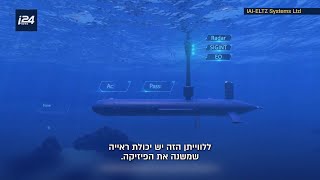
The Autonomous Israeli Submarine That Changes the Laws of War
Israel Aerospace Industries' (IAI) latest innovation, the BlueWhale, is redefining the capabilities of underwater warfare through full autonomy, operating entirely without human intervention. This system is designed to conduct covert, long-endurance intelligence-gathering missions off enemy coasts, significantly reducing the risk to human life while lowering operational costs. The ability to operate independently in the depths makes this vessel a strategic asset in the modern battlefield, where control over information is the key to victory. The project was born out of a growing operational need to monitor threatened shipping lanes and address both classical and emerging underwater threats. Throughout history, submarines have been the most clandestine assets in any fleet, yet manpower and logistical constraints have traditionally limited their time in high-risk zones. The BlueWhale overcomes these obstacles, allowing the State of Israel and IAI’s customers to maintain a permanent, invisible presence beneath the surface for weeks at a time. Technologically, the submarine is equipped with an advanced sensor suite including radar, electro-optical systems, and sonars capable of mapping the seabed with precision reminiscent of Google Maps. The system utilizes satellite communication for real-time data transmission and is capable of automatically detecting hostile submarines or naval mines. Measuring approximately 11 meters in length and powered by a silent electric propulsion system, it evades detection while providing a continuous intelligence picture that was previously considered impossible to achieve. The entry of such autonomous vessels into the maritime arena raises fascinating questions about the future of naval warfare and the impact of artificial intelligence on combat decision-making. While the technical capability is already here, the strategic implications of a silent robotic fleet roaming the oceans are only the beginning of a revolution that will shift the global balance of power. Now, it remains to be seen how other navies around the world will respond to the new standard set by Israeli industry.



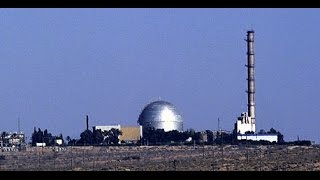
Nuclear reactor, from inside
A rare documentary journey into the heart of the Negev Nuclear Research Center reveals, for the first time, what transpires behind the heavy security walls of one of the most mysterious facilities in the world. This exposé offered an unprecedented glimpse into the interior of the Israeli nuclear reactor, blending footage from the development and production center with personal testimonies from the individuals entrusted with the nation’s security. The compelling narrative focuses on senior officials and scientists working at the Dimona atomic facility, who break their silence to share details about their lifestyles and clandestine work. In an extraordinary meeting held at a local pub in Beersheba, the human side of this strategic enterprise is revealed—an apparatus established in the 1950s and 60s under a veil of ambiguity, far from the eyes of the public and the international media. On a technical level, the documentary details the maintenance and upgrade processes of the core and the various systems surrounding the nuclear reactor, addressing safety challenges and operational complexities. The findings presented shed light on the technology that enables the facility to remain operational over decades and examine the capabilities attributed to the State of Israel in the fields of energy and nuclear physics. Revealing the faces of the workers and their open dialogue regarding the heavy responsibility resting on their shoulders raises fascinating questions about the future of nuclear energy in the region and the balance of deterrence in the 21st century. The significance of this glimpse extends beyond the purely scientific; it touches the raw nerves of modern history and the security mysteries that have preoccupied the global intelligence community and organizations like the IAEA for generations.

Svalbard Journey Part 5: Ny-Ålesund, the World's Northernmost Settlement
The journey into the depths of the North Pole reaches Ny-Ålesund, the northernmost permanent settlement on Earth, located in the Svalbard archipelago. This chapter explores the unique way of life in this isolated outpost, which now serves as a groundbreaking international research hub for climate and atmospheric sciences. The visit reveals how a small community manages to survive and operate under some of the most extreme conditions found on our planet. The settlement's history is defined by a constant struggle against the elements, from its origins as a coal mining colony to its transformation into a strategic base for NASA and other space agencies. It was from here that many historic expeditions set out to conquer the North Pole, utilizing early aviation technology and iconic airships. The site carries a rich legacy of human daring and geographical discoveries that redrew the world map. On a technical level, Ny-Ålesund operates under a strict "radio silence" policy to allow sensitive instruments to capture signals from deep space and satellites. Local laboratories are equipped with advanced technologies that monitor greenhouse gas levels with maximum precision, far removed from the industrial pollution of civilization. The data collected at these tracking stations is used by the global scientific community to understand the complex geophysical processes occurring at the poles. Life in this northern settlement raises fascinating questions about the future of polar research and humanity's ability to survive in hostile environments. As the glaciers surrounding Svalbard continue to undergo dramatic transformations, the outpost remains a critical sentinel for understanding the global changes unfolding before our eyes. It is a rare glimpse into a place where the lines between science, history, and the untamed wilderness are completely blurred.
The Release of Mordechai Vanunu: April 21 2004
This rare footage captures the dramatic release of Mordechai Vanunu from Shikma Prison in April 2004, an event that marked the end of 18 long years of incarceration. The video closely follows his exit from the prison walls, the international media frenzy surrounding the move, and the first public statements made by the man known as the "Atomic Spy" upon regaining his freedom. The saga began in 1986 when Vanunu, a former technician at the Negev Nuclear Research Center, leaked classified information and photographs to the British newspaper *The Sunday Times*. The revelations shocked the Israeli defense establishment and shed unprecedented light on Israel's purported nuclear capabilities. After being abducted by the Mossad in Italy and brought to trial in Israel, he was convicted of treason and aggravated espionage, serving the majority of his sentence under harsh conditions in solitary confinement. The footage documents the extensive security preparations around the detention facility and the legal battle regarding the restrictions imposed on him upon his release. These scenes highlight the tension between freedom of speech and the protection of state secrets, as defense authorities argued he still possessed undisclosed classified information. In the recording, Vanunu is seen addressing the global media in English, calling for the denuclearization of the region. Vanunu’s release did not end the affair; rather, it opened a new chapter of legal struggles concerning the movement and communication restrictions placed upon him. The video raises poignant questions about the thin line between ideology and treason, and the long-term impact of exposing state secrets on regional deterrence. To this day, the case remains one of the most complex and controversial stories of espionage and conscience in Israel's modern history.
In Search of the Polar Bear Journey to Svalbard and the North Pole
*Svalbard: In the Footsteps of the Polar Bear* documents a daunting and spectacular expedition, tracing the path of an icebreaker and Zodiac boats from the island of Spitsbergen toward the infinite ice shelves of the North Pole. The journey explores one of the most remote and untamed regions on Earth, a place where nature alone holds absolute sovereignty. The lens moves in close to witness the region’s fragile ecosystem, examining how wildlife survives under these extreme conditions. The Svalbard archipelago, situated in the Arctic Ocean under Norwegian sovereignty, has historically served as a departure point for daring research expeditions and whalers. This film focuses on this isolated cluster of islands, which has evolved into a living laboratory for NASA and international environmental organizations monitoring climate change. Once a strategic focal point for resource conflicts, the region now stands as the front line for understanding global warming and its profound impact on the poles. Throughout the documentation, the complex navigation methods of the icebreaker are revealed as it carves a path through dense pack ice, utilizing advanced GPS systems and real-time satellite imagery. Close encounters with polar bears in their natural habitat provide a rare glimpse into their hunting and survival techniques atop floating glaciers. Furthermore, the film examines the interaction between human technology and the frozen, unpredictable environment of the High North. The journey raises poignant questions about the future of the Arctic ice shelf and the gradual disappearance of wildlife habitats. Will humanity succeed in preserving the white wonder of Svalbard, or are we witnessing the final generations of the polar bear in its natural environment? This footage serves as a historical visual record and a powerful reminder of the beauty and vulnerability of our world’s northernmost reaches.
Orna Klein: Inside Testimony on the Yemenite Children Affair
Orna Klein’s harrowing personal testimony sheds new light on the painful affair of the Yemenite, Mizrahi, and Balkan children, centered on her family’s unique story from Kfar Saba. This overview presents viewers with the ongoing struggle to uncover the truth, providing access to rare historical documentation that remained classified within the archives for decades. The historical background of the affair is rooted in the early years of the State of Israel—a period defined by mass immigration and harsh living conditions in transit camps. The timing of these testimonies is essential for understanding the institutional mechanisms at play during those years, as the fates of thousands of children remained shrouded in mystery while their families continue to search for answers to this day. This documentation is dedicated to the memory of Dr. Georg Herlitz, founder of the Central Zionist Archives, who championed the importance of meticulous historical record-keeping. As part of the findings presented, documents and correspondence are examined to cross-reference information between hospitals, welfare authorities, and the population registry of that era. Tracking these technical records raises poignant questions regarding the reliability of the data provided to parents and the discrepancies revealed only after the opening of adoption files and the protocols of various state commissions of inquiry. These revelations have a profound impact on Israeli identity and the trust between citizens and government institutions, even many decades later. The question of whether the full truth will ever be revealed remains open, while this current documentation serves as another pillar in the commemorative effort and the demand for historical justice for the families left without answers.





Recommended for you
More content about Historical Findings you might like


Cookies & Privacy 🍪
We use cookies to improve your experience
For more information, see our Privacy Policy