The Captain: How airplane toilets were invented
Description
From a height of tens of thousands of feet, as we sit comfortably in a climate-controlled cabin, it is easy to forget that one of the most complex engineering challenges in aviation history didn't involve jet engines or aerodynamics, but rather our most basic human needs. In this episode of "The Captain," we dive into the fascinating, surprising, and occasionally humorous history of airplane toilets—from the days when aircraft were little more than leaky wooden boxes to the sophisticated vacuum systems of today. In the early days of civil aviation, the concept of "comfort" was almost imaginary. Early pilots and passengers had to make do with improvised solutions like buckets, bottles, or simple "exhaust vents" that released the dilemma directly into the atmosphere. The breakthrough only arrived with the development of larger aircraft, as designers realized that transcontinental travel required a hygienic and dignified solution. You will discover how World War II and the pressurized cabins of heavy bombers changed the rules of the game, and what became of those who attempted to use the facilities under extreme flight conditions. One of the most persistent myths in aviation is that planes "dump" waste mid-air during flight. This video shatters that myth, explaining the sophisticated mechanics of the famous (and problematic) "Blue Ice" system and how James Kemper’s 1975 invention of the vacuum toilet saved airlines millions of dollars in fuel. We will examine how the pressure differential between the interior and exterior of the aircraft acts as a powerful "vacuum cleaner," sucking everything at record speed into sealed storage tanks without using massive amounts of water—a precious and heavy commodity in flight. This is a story of human engineering at its finest, at the intersection of physics, chemistry, and logistics. We will learn about the chemicals designed to neutralize odors at high altitudes, the dangers of airborne sewage system failures, and the future of smart toilets in the aircraft of tomorrow. Join us for a journey behind the scenes of that small restroom stall, which hides some of the most brilliant technologies in the sky.
Original title
הקברניט: כך הומצאו תאי השירותים במטוסים
ממרומי עשרות אלפי רגליים, כשאנחנו יושבים בנחת בתא הנוסעים הממוזג, קל לשכוח שאחד האתגרים ההנדסיים המורכבים ביותר בתולדות התעופה לא היה קשור רק למנועי סילון או לאווירודינמיקה, אלא דווקא לצרכים הבסיסיים ביותר שלנו. בפרק זה של "הקברניט", אנו צוללים אל ההיסטוריה המרתקת, המפתיעה ולעיתים המצחיקה של השירותים במטוס – מהימים בהם המטוסים היו קופסאות עץ דולפות ועד למערכות הוואקום המשוכללות של ימינו. בימיה הראשונים של התעופה האזרחית, המושג "נוחות" היה כמעט דמיוני. הטייסים והנוסעים הראשונים נאלצו להסתפק בפתרונות מאולתרים כמו דליים, בקבוקים או "פתחי פליטה" פשוטים שהיו מעבירים את הדילמה היישר אל האטמוספירה. פריצת הדרך הגיעה רק עם התפתחות המטוסים הגדולים יותר, שם הבינו המתכננים כי מסע חוצה יבשות מחייב פתרון היגייני ומכובד. תגלו כיצד מלחמת העולם השנייה ותאי הלחץ במפציצים הכבדים שינו את חוקי המשחק, ומה עלה בגורלם של אלו שניסו להשתמש בשירותים בתנאי טיסה קיצוניים. אחד המיתוסים הנפוצים ביותר בתעופה הוא שהמטוסים "משליכים" את הפסולת מהאוויר בזמן הטיסה. הסרטון מנפץ את המיתוס הזה ומסביר את המכניקה המתוחכמת של מערכת ה-Blue Ice המפורסמת (והבעייתית), וכיצד המצאת שירותי הוואקום של ג'יימס קמפר ב-1975 חסכה לחברות התעופה מיליוני דולרים בדלק. נבין איך הפרשי הלחצים בין פנים המטוס לחוץ משמשים כמעין "שואב אבק" עוצמתי השואב הכל במהירות שיא למכלי אחסון אטומים, מבלי להשתמש בכמויות אדירות של מים – מצרך יקר וחשוב בטיסה. זהו סיפור על הנדסה אנושית במיטבה, העוסק בשילוב שבין פיזיקה, כימיה ולוגיסטיקה. נלמד על החומרים הכימיים שנועדו לנטרל ריחות בגובה רב, על הסכנות שבתקלות במערכת הביוב המוטסת, ועל העתיד של השירותים החכמים במטוסי המחר. הצטרפו למסע אל מאחורי הקלעים של תא השירותים הקטן, שמסתיר בתוכו כמה מהטכנולוגיות המבריקות ביותר בשמיים.
תמלול הסרטון
לסרטון זה אין כתוביות זמינות ביוטיוב.
ניתן ליצור תמלול מקורב באמצעות AI על בסיס פרטי הסרטון.
Related Videos
World War Weird: Nazi Anti-Gravity Device | Free Documentary History
A high-quality and gripping documentary from the channel Free Documentary History, exposing the secret Nazi attempt to develop revolutionary anti-gravity weapons during World War II. The film addresses Project "Die Glocke" (The Bell) — the most secret project of the Third Reich, examines testimonies of German engineers who fled to the West after the war and revealed astonishing technical details, and asks whether some of the technologies developed there found their way to American secret military facilities after the war ended.
The Secret Nazi UFO Project — Forbidden History — S02 EP5
A complete episode from the popular series Forbidden History focusing on the most secret and controversial Nazi UFO project. The episode reveals testimonies and documents about secret Luftwaffe research programs working to develop circular flying craft using advanced electromagnetic and anti-gravity propulsion technology, and examines whether traces of these technologies found their way into American Navy programs and the famous Roswell incident in the years after the end of World War II.
Secret Weapons | Project Natter | Full Documentary
A high-quality and ambitious complete documentary about Project "Natter" — one of the most futuristic and surprising secret weapons projects of the German Luftwaffe in the closing years of World War II. The film provides a detailed historical analysis of an attempt to develop the world's first vertical takeoff rocket interceptor — an aircraft that would have changed the entire face of aerial warfare forever — examines the dramatic test flights, and explains why the project ultimately failed despite the revolutionary technology developed within its framework.
In Search of Aliens: WWII Time Travel Warfare | Full Episode
A complete and dramatic episode from the popular series In Search of Aliens hosted by Giorgio Tsoukalos. The episode addresses the fascinating and controversial theory that some of the dramatic events during World War II — including incredible Allied victories at strategic moments — were the result of secret time travel warfare. The episode brings together leading experts in alternative history alongside conspiracy researchers to provide an unconventional perspective on one of the most dramatic eras in modern human history.
The Mysterious WW2 UFOs Sighting | World War Weird
A fascinating documentary investigation focusing on the strange and unexplained UFO sightings during World War II — one of the dark and lesser-known chapters of the dramatic conflict. The film documents the famous "Foo Fighters" — small luminous spheres of unknown origin that pursued American and German bomber aircraft on combat missions, examines pilot testimonies from both sides describing identical phenomena from completely independent positions, and asks if extraterrestrial entities were watching the deadly conflict from above.
History's Strangest Secret Weapons and Unsolved Mysteries
A comprehensive documentary survey of the most bizarre secret weapons developed throughout military history — including projects so unconventional that even today historians struggle to determine whether they were genuinely real or imaginative legends. The film addresses Tesla's revolutionary "Death Ray," Nazi Bell experiments, Soviet psychotronic weapons developed during the Cold War, and unexplained mysteries about advanced weapons technologies whose existence has been completely denied by Eastern and Western governments to this day.
Foo Fighters — WWII's Mysterious Flying Objects Explained
A focused and in-depth documentary entirely dedicated to the legendary "Foo Fighters" phenomenon during World War II — the most documented and best-attested UFO sightings of the era of the great war. The film systematically gathers eyewitness testimonies from American, British and even German pilots, tries to provide a detailed scientific explanation for the strange phenomenon, and asks whether these were a secret weapon of one of the parties to the conflict, an unknown atmospheric phenomenon, or the first official extraterrestrial visit to humanity in modern history.
The Secret Science of World War II — Full Documentary
A complete and ambitious documentary providing a comprehensive overview of the secret scientific projects that shaped the entire course of World War II from behind the scenes. The film addresses the central scientific projects of the war — from the historic Manhattan Project that developed the atomic bomb, through the dramatic British codebreaking efforts at Bletchley Park, to the Allied space programs that competed with the German V-2 rocket — and explains how scientific superiority and technological advances became the most decisive factor in the history of the entire war.
The Captain: When a 747 Committed a Mass Slaughter in Tel Aviv
On May 30, 1972, the worlds of aviation and Israeli security were changed forever. In the evening hours, an Air France flight touched down at Lod Airport, carrying three terrorists from the "Japanese Red Army" acting on behalf of the Popular Front. The aircraft—often colloquially referred to as the "humpbacked plane" due to the unique aerodynamic silhouette of early Boeing models—became a scene of brutal carnage within minutes. The moment the luggage was opened in the passenger terminal, the terrorists pulled out assault rifles and grenades, beginning an indiscriminate slaughter that claimed 26 lives and left dozens more wounded. The event, seared into the national memory as the "Lod Airport Massacre," exposed a severe security breach and fundamentally altered the strategy for defending Israel's aerial borders. In those days, security screenings focused primarily on detecting bombs or preventing hijackings; no one expected a group of Japanese terrorists—who did not fit the "threatening profile" of the era—to open fire inside the arrivals hall. Among the fallen was the renowned scientist Professor Aharon Katzir, brother of the man who would later become the President of Israel, Ephraim Katzir. This video dives deep into the technical and historical details of the disaster: from the meticulous planning by terrorist organizations in Lebanon, through the surprising international collaboration between Far East radicals and Palestinian militants, to the bloody aftermath on the terminal floor. We explore how an aircraft, a symbol of progress and cross-cultural connection, was turned into a tool for a murderous ideology, and how the Israeli Mossad responded with a cross-continental manhunt for the masterminds. Beyond the human tragedy, this episode examines the security legacy left in the wake of the event. The massacre led to the establishment of specialized security units and the development of the rigorous questioning and screening methods now synonymous with Ben Gurion Airport, making it one of the most secure flight hubs in the world. This is a story of heroism and failure, and the moment global terrorism arrived at the doorstep in its most violent and unexpected form.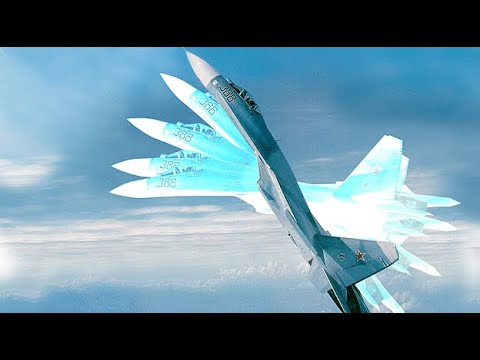
The Captain: The Bold Syrian and the World's Most Famous Maneuver
The story of "Pugachev’s Cobra" is regarded as one of the most fascinating and controversial chapters in the history of modern aviation, but its Israeli-Syrian connection adds a layer of extraordinary aerial audacity. In this video, "The Captain" dives into the depths of MiG and Sukhoi history to understand how an aerobatic maneuver designed to dazzle crowds at European airshows became a psychological—and occasionally tactical—tool in Middle Eastern skies. We review the tense encounters between the Israeli Air Force and the Syrian Air Force, and the moment one Syrian pilot decided to perform a maneuver that wasn't in any operational flight manual. The Cobra maneuver itself is an aerodynamic marvel: the aircraft suddenly pitches up to an angle of 110–120 degrees, effectively becoming a massive airbrake that sheds speed instantly before dropping back into level flight. While the West dismissed it as a useless "circus trick" in the era of modern missile-based dogfights, Eastern pilots saw it as a way to force a pursuer to overshoot, turning the hunter into the hunted. This video reveals how the technological race between the Soviet Union and the United States gave birth to the Su-27 and MiG-29, and how these capabilities ended up in the hands of our neighbors to the north. Beyond technical analysis, this episode focuses on personality and daring. The story of the "insolent Syrian" serves as a parable for the collision between high technology and the unpredictable human element. We examine the air battles of the eighties and nineties, the qualitative edge of the IDF against Soviet numbers and bravado, and ask the compelling question: can such a virtuoso maneuver truly decide a battle, or is it merely aerial suicide against today's sophisticated weapon systems? Join us for a journey behind the scenes of Russian aircraft engineering, through the sweating cockpits of MiG fighters, and into the intelligence briefings of the Israeli Air Force. This is a story of ego, lift, and those fleeting moments when a pilot decides to break the rules and attempt the impossible, just to prove it can be done. "The Captain" brings you all the details on the maneuver that became a myth, and the man who dared to test it in real time.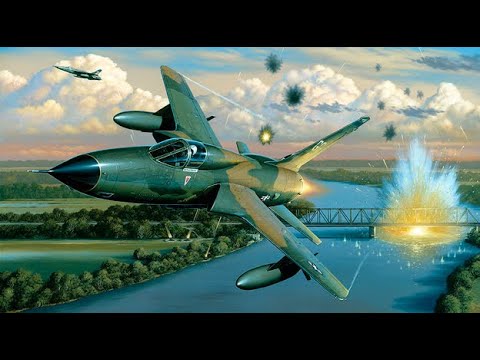
The Captain: The Bridge That Defeated the US Air Force
The story of the Thanh Hóa Bridge, better known by its menacing nickname "The Dragon’s Jaw," remains one of the most fascinating and frustrating chapters in the history of modern aerial warfare. Located in the heart of North Vietnam, this structure of concrete and steel became a symbol of inconceivable resilience, "swallowed" hundreds of bombs, missiles, and aircraft from the U.S. Air Force and Navy for years without collapsing. This episode of "The Captain" dives deep into the technological and psychological battle surrounding the bridge that became a strategic Achilles' heel for the world's strongest superpower. Rebuilt in 1964 over the Ma River, the bridge was engineered to be exceptionally resistant to bombing, but the Americans never imagined just how durable it would be. During Operation Rolling Thunder, it became a top-priority target due to its vital role as a main transport artery for moving weapons and supplies to the south. The raw data reveals the magnitude of the failure: over 800 operational sorties were launched to destroy the bridge, dozens of aircraft were shot down by the dense anti-aircraft batteries and MiGs defending it, and hundreds of tons of munitions were dropped with maximum precision—yet the bridge refused to fall. It became the target that redefined the limits of conventional air power against robust engineering and ground determination. The turning point finally arrived in the 1970s, marking the dawn of the precision-guided munitions breakthrough. In this video, we review how the failure of heavy bombers and "dumb bombs" led to the development of the first generation of laser-guided bombs. We will examine how a technology then in its infancy managed to achieve in a single mission what thousands of tons of explosives could not accomplish in seven years. It is a story of transition—from the era of carpet bombing to the era of surgical strikes—and the lessons the U.S. Air Force learned, at a heavy cost in blood, over the rivers of Vietnam. Beyond the military aspect, we examine the mythology built around "The Dragon’s Jaw" in North Vietnamese propaganda, which used the bridge's survival to humiliate the American Air Force and bolster the morale of its own forces. We will analyze the intelligence failures, the unique engineering that allowed the bridge to absorb direct hits, and the historical moment when warfare changed forever. "The Captain" brings you the full story of the bridge that didn't just stop trains, but nearly brought United States aerial doctrine to its knees.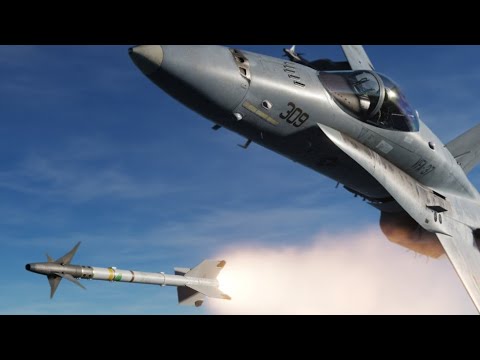
The Captain: Magic Bullets and the Missile that Changed Aerial Warfare
The story of the AIM-9 Sidewinder is one of the most fascinating and influential chapters in the history of military aviation. What began as a side project, cobbled together in U.S. Navy laboratories during the 1950s, evolved into the most successful and widely used air-to-air missile in the world. The Sidewinder didn't just advance technology; it redefined the very concept of "dogfighting." It brought an end to the era of close-range pursuits based solely on cannons and ushered aviation into the heat-seeking age, where a pilot could down a target from miles away without needing perfect marksmanship. The genius of the Sidewinder lies in its simplicity. While other engineers attempted to develop complex and expensive radar systems, the development team—led by William McLean—turned to a creative solution: mimicking the biological sensing mechanism of the Sidewinder rattlesnake, which detects its prey through infrared radiation. The missile "sees" the heat emitted by enemy jet engines and pursues it with relentless determination. In this video, we will dive into the sophisticated inner workings of this "magic bullet," understand how its unique seeker head operates, and discover how a missile that originally cost a fraction of its competitors became the gold standard by which missiles are still built today. The history of the Israeli Air Force is deeply intertwined with the missile's success. Israel was one of the first nations to master the operational use of the Sidewinder (locally known as the "Daker"), and the combat debuts of several advanced variants took place in the skies over the Middle East. During the Yom Kippur War and the air battles over Lebanon in the 1980s, the Sidewinder proved its absolute superiority and became the scourge of MiG pilots. We will trace these historical turning points, from its rocky beginnings in China to the upgrades that transformed it into a weapon capable of hitting targets even in "over-the-shoulder" launches. Beyond the technology, we will analyze how the Sidewinder influenced global aerial strategy and the design of modern fighter jets. We will explore why, despite over 70 years passing since its original development, it remains in active service across dozens of air forces and how it continues to evolve to face the stealth aircraft and laser warfare of the future. Join us for an in-depth look at the missile that changed the rules of the game and turned air combat into a science of lethal precision.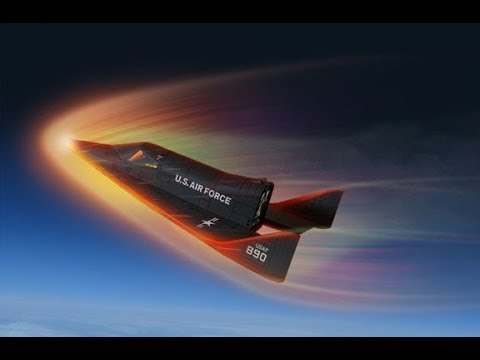
The Captain: Meet Humanitys First Combat Spacecraft
At the height of the Space Race between the United States and the Soviet Union, while the world watched the first astronauts with awe, a daring secret military project was unfolding in the shadows. Its goal was to transform Earth's orbit into a futuristic battlefield. While NASA focused on civilian research missions, the U.S. Air Force began designing the X-20 Dyna-Soar—a magnificent aircraft decades ahead of its time. This is the story of humanity's first space fighter: a reusable rocket plane designed to launch atop a missile, execute bombing or reconnaissance missions in space, and glide back to a conventional runway landing like a traditional aircraft. The Dyna-Soar was far from a science fiction fantasy. The project, backed by billions of dollars in today's currency, recruited the finest engineering minds of the era—including a young Neil Armstrong, who was selected as one of the program's test pilots before joining the Apollo program. The spacecraft’s technical specifications seemed visionary for the time: sharp delta wings, advanced thermal protection based on exotic alloys, and extraordinary maneuverability at the edge of the atmosphere. The objective was clear—absolute strategic superiority that would allow the United States to "snipe" enemy satellites or deploy nuclear ordnance from a vantage point no one else could reach. Although the project was ultimately canceled in 1963, just moments before the prototype was completed, the legacy of the Dyna-Soar altered the course of history. The technologies developed for the program laid the foundations for the modern Space Shuttle and the development of contemporary hypersonic vehicles, such as the classified X-37B operating today. In this video, we dive into the depths of the Cold War, examine the impossible engineering challenges faced by its designers, and discover how this spacecraft shaped the concept of "space warfare" as we know it today. This is not merely a story about an aircraft; it is a glimpse into an era when the line between physics and the impossible blurred, and when humanity first attempted to harness the infinite for military ends. Join us on a journey following "The Captain" and the machine designed to conquer the heavens and serve as the final frontier against threats from beyond the atmosphere.
Operation Yonatan
On July 4, 1976, the State of Israel inscribed one of the most magnificent and unbelievable chapters in the history of international counter-terrorism: "Operation Yonatan," famously known as "Operation Entebbe." This film dives deep into the heart of the drama that began a week earlier, on June 27, when Air France Flight 139 from Tel Aviv to Paris was hijacked by Palestinian and German terrorists. The aircraft was forced to land in Uganda under the patronage of the notorious dictator Idi Amin. There, Jewish and Israeli passengers were separated from the others in a chilling selection process that echoed the darkest days of history. This documentary reveals the behind-the-scenes of the fateful decision-making process in Jerusalem, the grueling moral dilemmas faced when weighed against terrorist demands for prisoner releases, and the brilliant operational planning by Sayeret Matkal and the Israel Air Force. Under a heavy veil of secrecy, and some 4,000 kilometers from Israel’s borders, a daring plan was forged. It involved flying four "Karnaf" (Hercules) transport planes at low altitudes over the Red Sea to evade enemy radar. The beating heart of the operation was the use of a black Mercedes, intended to mimic Idi Amin’s private motorcade and deceive the airport guards. During the spectacular night raid—which has since become a global military legend studied at prestigious academies like West Point—elite commandos stormed the old terminal at Entebbe, seizing control within minutes. This film tells the story of the heroism of the assault force commander, Lieutenant Colonel Yonatan "Yoni" Netanyahu, who was the sole fatality among the raiding forces during the battle. His bravery and ultimate sacrifice gave the mission its later official name: "Operation Yonatan." Beyond the military tactical brilliance, we examine the political and moral impact of the mission on the State of Israel and the world at large. This is a story of uncompromising determination, creativity under extreme pressure, and the supreme value of mutual responsibility. Discover new details about the operation that proved Israel’s long arm can reach anywhere Jewish lives are in danger, in a historical drama that surpassed even the wildest Hollywood imagination.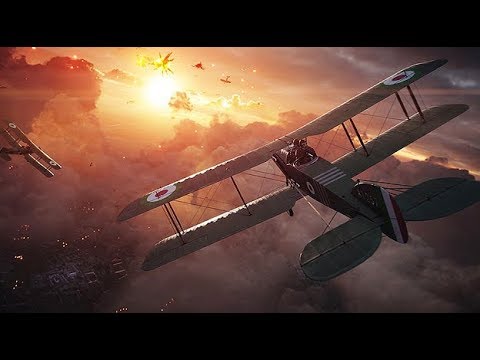
The Captain: Aviation’s First Air-to-Air Combat Kill
In the early days of aviation, the airplane was seen as a wondrous tool intended for reconnaissance, aerial photography, and messaging. Few could have imagined it as a lethal machine of war capable of sowing destruction from above. This video dives into one of the most pivotal and dramatic moments in the history of aerial warfare: the moment a plane was shot down by another aircraft for the very first time. This is the story of aviation's sharp transition from an era of innocence and romance to an era of brutal dogfights that changed the face of modern warfare forever. The event took place on October 5, 1914, just months after the outbreak of World War I, over the skies of France. Up until that point, pilots from both sides would often pass one another and even wave hello; the aircraft were completely unarmed and served primarily as "eyes" for the artillery on the ground. The revolution occurred when the French crew of a Voisin III—pilot Joseph Frantz and mechanic Louis Quénault—decided to take the initiative. They fitted their aircraft with a makeshift Hotchkiss machine gun and set off on a mission that would be etched into the pages of history. During the engagement, Frantz and Quénault managed to down a German Aviatik reconnaissance plane. This aerial clash bore little resemblance to the high-speed dogfights we know today; it was a slow, lumbering battle where pilots had to maneuver fragile wood-and-fabric machines while attempting to fire a manual machine gun without hitting their own propeller. The downing of the German aircraft stunned military commands on both sides and made one thing clear to all: the sky was no longer a safe space for observation, but a ruthless battlefield. Following this first victory, a frantic technological arms race began. Engineers raced to figure out how to synchronize machine gun fire with propeller rotations—leading to the invention of the famous synchronization gear—and pilots became cultural icons known as "Knights of the Sky." This fascinating review by "The Captain" reveals not only the technical details of that fateful encounter but also the psychology behind turning the airplane into a killing machine, and the legacy left behind by that first battle on the road to the era of jets and guided missiles.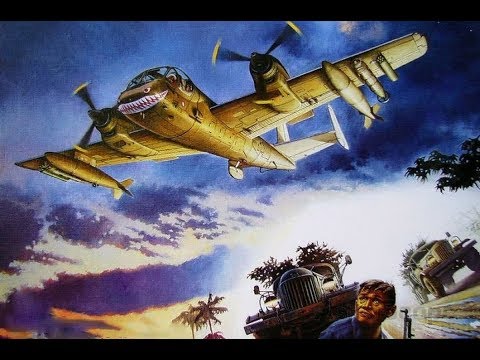
The Captain: The Aircraft That Gave the IDF Superpowers
Meet the aircraft that reshaped the Middle East and granted the Israeli Air Force unprecedented technological and strategic superiority. In this episode of "The Captain," we dive into the story of the aircraft that became the long arm of the IDF—a machine that didn’t just break speed and altitude records, but provided the State of Israel with intelligence and operational "superpowers" across both near and distant frontiers. This is a story of ingenious engineering, commanding audacity, and capabilities that left the enemy speechless time and time again. The arrival of this aircraft in Israel signaled the dawn of a new era. At a time when the Cold War was reaching its peak and Arab nations were arming themselves with the best of Soviet technology, the Air Force needed a machine that could guarantee control of the skies. The aircraft in question was not merely a formidable strike platform, but a flying spy laboratory. Equipped with cameras featuring resolutions unimaginable for the time and advanced electronic sensors, it allowed Israel to see beyond the horizon, identify enemy deployments in real-time, and plan surgical operations deep within hostile territory. Beyond the dry technical specifications, this aircraft shaped Israeli combat doctrine. It participated in operations—some of which remain classified to this day—ranging from photo-reconnaissance sorties in the heart of Arab nations to strategic strikes that shifted the regional balance of power. In this episode, we explore the heavy logistical challenges of adopting such a complex aircraft, the heroism of the pilots who pushed the limits of human and mechanical endurance, and the dramatic moments where technology was put to the ultimate test under fire. The impact of this aircraft echoes through the modern Air Force today. Many of the "Blue and White" Israeli developments installed within it were considered global breakthroughs, turning Israel’s aerospace industry into a world leader in its field. Join us for a fascinating journey through military history, as we understand how the combination of steel, fuel, and Israeli ingenuity created the machine that gave the IDF the qualitative edge necessary to survive and prevail in the turbulent Middle East.
The Captain: Failure of the Worlds Most Advanced F-16
The F-16 "Fighting Falcon" is widely regarded as one of the most successful and ubiquitous fighter jets in history, yet few are familiar with its most ambitious variant: the F-16XL. Featuring massive "cranked-arrow" delta wings, this aircraft was not merely a cosmetic upgrade, but a bold attempt to transform the lightweight, agile fighter into a multi-role monster boasting immense range and double the payload capacity of the original model. Its development was born from the U.S. Air Force's need for a strategic strike aircraft capable of penetrating deep into enemy territory at high speeds without an escort, while still maintaining superior air-to-air combat capabilities. The revolutionary design of the F-16XL provided impressive aerodynamic advantages. Thanks to its vast wing surface area and unique structure, the aircraft achieved a flight range 40% greater than the standard model without the need for drag-inducing external fuel tanks. Furthermore, it was capable of sustained supersonic flight without the use of afterburners (Supercruise)—a feature far ahead of its time that only became a standard decades later in fifth-generation fighters like the F-22. With no fewer than 27 hardpoints for munitions, the jet became a flying "bomb truck" that could still maneuver with the sharp agility of an interceptor. Despite its technological superiority and the stunning performance demonstrated by the two prototypes built, the project ended in heartbreak for General Dynamics. In a historic showdown against McDonnell Douglas’s F-15E "Strike Eagle," the Pentagon ultimately chose the twin-engine F-15. The reasons were primarily logistical and operational: the F-15E offered higher survivability due to its dual engines and required fewer modifications to existing production lines. The F-16XL, though more innovative and advanced in certain respects, remained a fascinating footnote in aviation history. Ultimately, these spectacular prototypes were not scrapped; instead, they found a new home at NASA, where they served for years as airborne laboratories for researching laminar airflow and supersonic performance. This video by "The Captain" dives deep into the story of the largest and most unique aircraft in the Falcon family, analyzing the behind-the-scenes decisions and explaining how a plane that looked like the future of aviation found itself excluded from the greatest procurement race of the 20th century.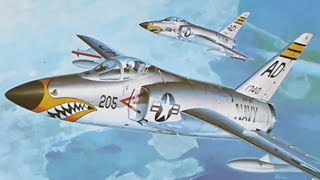
The Captain: Chuck Norris’s Tiger - The Fighter Jet That Shot Itself Down
The story of the F-11 Tiger is one of the strangest and most fascinating chapters in the annals of military aviation. It is the tale of a fighter jet advanced for its time that managed to achieve the unthinkable: during a routine firing test over the Atlantic Ocean in 1956, pilot Thomas Attridge fired a burst from his 20mm cannons, accelerated, and discovered to his astonishment that he had literally overtaken his own bullets. The result was an inconceivable mid-air collision between the aircraft and the ammunition it had discharged moments earlier, leading to a crash and cementing the Tiger’s legacy as the first aircraft in history to shoot itself down. The F-11 Tiger, developed by Grumman, was a jet fighter ahead of its time aerodynamically. It was built around the "Area Rule," a Coke-bottle-shaped design intended to reduce drag at supersonic speeds. Despite its impressive performance, the aircraft suffered from the rapid technological evolution of its competitors, leading to a relatively short service life in the United States Navy. However, thanks to its extraordinary agility and visual elegance, it was chosen as the aircraft for the famous Blue Angels aerobatic team, where it became an icon of precision and mastery of the skies. Beyond the infamous accident, this episode dives into the world of 1950s aeronautical engineering—an era when pilots served as human guinea pigs for technologies that pushed the boundaries of physics. We will explore how a combination of ballistics, muzzle velocity, and altitude changes created the "perfect storm" that allowed the projectiles to strike the plane. It is a story of the fine line between engineering genius and unforeseen failure, and the aircraft that earned the humorous nickname "The Chuck Norris of Jets"—not for its toughness, but for its absurd ability to win a dogfight against itself. In this video, we will analyze the unique structural design of the Tiger, understand why it is considered one of the most beautiful aircraft ever built, and see how the lessons learned from that incident continue to shape the safety protocols of modern fighter jets today. Join us on a journey back to a time when speed was everything, and danger lurked not only from the enemy, but sometimes from the pilot's own barrels.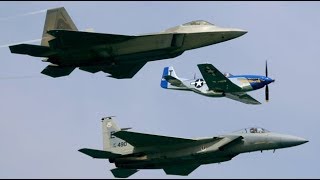
History’s Deadliest Fighter Jet: Who Recorded the Most Kills
In over a century of aerial warfare, spanning from the fabric-and-wood biplanes of World War I to the era of modern stealth fighters, one question remains open, sparking fierce debate among aviation enthusiasts and military historians: who is truly the "Ace of Aces" of all time? To answer this, we must dive into the depths of controversial wartime statistics, understand the differences between evolving pursuit technologies, and examine how the persona of the aerial warrior has transformed over the decades. While many point to the high-speed jets of the Cold War—such as the American F-15 Eagle, which boasts a perfect combat record of 104 kills to zero losses—the historical answer actually leads us back in time to the greatest conflict of all. In World War I, it was the triple-winged Fokker Dr.I that became a legend in the hands of the "Red Baron," but during World War II, the numbers soared to unimaginable heights. The aircraft credited with the highest number of kills in history is likely the German Messerschmitt Bf 109. Serving throughout the duration of the war and supported by German tactics that allowed pilots to accumulate hundreds of individual kills (such as Erich Hartmann, the most successful ace in history with 352 victories), the 109 became a lethal war machine unparalleled in raw statistics. However, it is vital to examine not only quantity but also quality and circumstance. Can the mass shoot-downs achieved by the British Spitfire over the English Channel—a symbol of the Free World's survival—be compared to the American P-51 Mustangs that escorted bombers deep into enemy territory? The contest for the title depends heavily on how victories are tallied: is it the total number of enemy aircraft a specific model downed, or the success rate of the aircraft in individual dogfights? In the modern era, where Beyond Visual Range (BVR) missiles have replaced close-quarters dogfighting, the concept of an "Ace" has taken on a completely different technological meaning. In this episode of "The Captain," we embark on a fascinating journey through the pages of history to crack this mystery. We will analyze the engineering of the aircraft that changed the face of the battlefield, understand the mistakes that caused certain planes to fail despite technical advantages, and discover who is truly the undisputed king of the skies. Is it the German Messerschmitt, the American F6F Hellcat that dominated the Pacific, or perhaps another aircraft that took everyone by surprise? Join us for an in-depth review of the machines, the men, and the battles that shaped aviation history.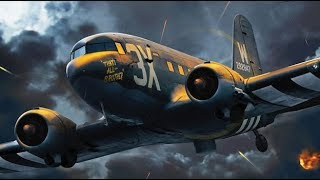
The Captain: The Most Important Aircraft in History
In this gripping episode of "The Captain," we embark on a journey through time to follow the aircraft that altered the course of modern history and redefined the boundaries of human capability. This is not merely a story of engineering, aerodynamics, and powerful engines, but a human and technological drama that unfolded at the most critical turning points of the 20th century. The aircraft in question is more than just a machine; it was the driving force behind victories in fateful dogfights and the breakthroughs that enabled the evolution of civil and military aviation as we know it today. To understand the significance of this aircraft, one must dive into the historical context of the era—the days of the Cold War or the World Wars, when the race for aerial supremacy was a matter of life and death for entire nations. This aircraft introduced innovations to the world that were considered science fiction at the time: from its revolutionary wing structure to the use of advanced materials that allowed it to shatter speed and altitude records. We will examine how the design decisions of daring engineers translated into strategic advantages on the battlefield and how the aircraft's influence continues to echo in the design of modern planes to this day. Beyond the technical aspects, this video reveals the stories of the pilots who dared to push the machine to its absolute limits. We will hear of the triumphs and the setbacks, the fatal malfunctions that became invaluable lessons, and the political and budgetary struggles that accompanied its development. We will discover how this aircraft shaped combat doctrines, influenced the balance of power between superpowers, and became a cultural icon symbolizing power and progress. In summary, this episode offers a profound and comprehensive look at the aircraft dubbed "the most important in history," analyzing the geopolitical and engineering contexts that made it so. Whether you are a die-hard aviation enthusiast or interested in military and technological history, this is a fascinating tale of human audacity and the machine that gave mankind stronger wings than ever before, forever changing the world we live in.Cookies & Privacy 🍪
We use cookies to improve your experience
For more information, see our Privacy Policy