History’s Deadliest Fighter Jet: Who Recorded the Most Kills
Description
In over a century of aerial warfare, spanning from the fabric-and-wood biplanes of World War I to the era of modern stealth fighters, one question remains open, sparking fierce debate among aviation enthusiasts and military historians: who is truly the "Ace of Aces" of all time? To answer this, we must dive into the depths of controversial wartime statistics, understand the differences between evolving pursuit technologies, and examine how the persona of the aerial warrior has transformed over the decades. While many point to the high-speed jets of the Cold War—such as the American F-15 Eagle, which boasts a perfect combat record of 104 kills to zero losses—the historical answer actually leads us back in time to the greatest conflict of all. In World War I, it was the triple-winged Fokker Dr.I that became a legend in the hands of the "Red Baron," but during World War II, the numbers soared to unimaginable heights. The aircraft credited with the highest number of kills in history is likely the German Messerschmitt Bf 109. Serving throughout the duration of the war and supported by German tactics that allowed pilots to accumulate hundreds of individual kills (such as Erich Hartmann, the most successful ace in history with 352 victories), the 109 became a lethal war machine unparalleled in raw statistics. However, it is vital to examine not only quantity but also quality and circumstance. Can the mass shoot-downs achieved by the British Spitfire over the English Channel—a symbol of the Free World's survival—be compared to the American P-51 Mustangs that escorted bombers deep into enemy territory? The contest for the title depends heavily on how victories are tallied: is it the total number of enemy aircraft a specific model downed, or the success rate of the aircraft in individual dogfights? In the modern era, where Beyond Visual Range (BVR) missiles have replaced close-quarters dogfighting, the concept of an "Ace" has taken on a completely different technological meaning. In this episode of "The Captain," we embark on a fascinating journey through the pages of history to crack this mystery. We will analyze the engineering of the aircraft that changed the face of the battlefield, understand the mistakes that caused certain planes to fail despite technical advantages, and discover who is truly the undisputed king of the skies. Is it the German Messerschmitt, the American F6F Hellcat that dominated the Pacific, or perhaps another aircraft that took everyone by surprise? Join us for an in-depth review of the machines, the men, and the battles that shaped aviation history.
Original title
מטוס הקרב הקטלני בהיסטוריה: מי הפיל הכי הרבה אויבים?
במהלך מעלה ממאה שנה של לוחמה אווירית, מאז הימים של מטוסי הבד והעץ של מלחמת העולם הראשונה ועד לעידן מטוסי החמקן המודרניים, שאלה אחת נותרה פתוחה ומעוררת ויכוחים סוערים בקרב חובבי תעופה והיסטוריה צבאית: מי הוא באמת "אלוף ההפלות" של כל הזמנים? כדי לענות על השאלה הזו, עלינו לצלול אל נבכי הסטטיסטיקה השנויה במחלוקת של מלחמות העולם, להבין את ההבדלים בין טכנולוגיות המרדף השונות, ולבחון כיצד השתנתה דמותו של הלוחם בשחקים לאורך העשורים. בעוד שרבים יצביעו על מטוסי הסילון המהירים של המלחמה הקרה, כמו ה-F-15 איגל האמריקאי המחזיק במאזן הפלות מושלם של 104 מול אפס, התשובה ההיסטורית מובילה אותנו דווקא אחורה בזמן, אל המלחמה הגדולה מכולן. במלחמת העולם הראשונה היה זה הפוקר ד"ר 1 (Fokker Dr.I) התלת-כנפי שהפך לאגדה בידיו של "המנרון האדום", אך במלחמת העולם השנייה המספרים זינקו לגבהים בלתי נתפסים. המטוס שהפיל את מספר האויבים הגדול ביותר בהיסטוריה הוא ככל הנראה המסרשמיט Bf 109 הגרמני. בזכות העובדה ששירת לאורך כל שנות המלחמה ובשל הטקטיקות הגרמניות שאפשרו לטייסים לצבור מאות הפלות אישיות (כמו אריך הרטמן, אלוף ההפלות הגדול בהיסטוריה עם 352 ניצחונות), ה-109 הפך למכונת מלחמה קטלנית שאין לה אח ורע בסטטיסטיקה היבשה. עם זאת, חשוב לבחון לא רק את הכמות אלא גם את האיכות והנסיבות. האם ניתן להשוות את הפלות המוני ה"ספיטפייר" הבריטי מעל תעלת למאנש, שהיה לסמל הישרדותו של העולם החופשי, למטוסי ה-P-51 "מוסטנג" האמריקאיים שליוו מפציצים עמוק אל תוך שטח האויב? התחרות על התואר תלויה רבות באופן שבו סופרים את הניצחונות – האם מדובר בכמות המטוסים הכוללת שהדגם הפיל, או באחוז ההצלחה של המטוס בקרבות בודדים? בעידן המודרני, שבו טילים מעבר לטווח הראייה (BVR) החליפו את קרבות הכלבים הצמודים, המושג "אלוף הפלות" מקבל משמעות טכנולוגית שונה לחלוטין. בפרק זה של "הקברניט", אנו יוצאים למסע מרתק בין דפי ההיסטוריה כדי לפצח את התעלומה. ננתח את המבנה ההנדסי של המטוסים ששינו את פני המערכה, נבין את הטעויות שבגללן מטוסים מסוימים נכשלו למרות יתרון טכני, ונבדוק מי באמת המלך הבלתי מעורער של השמיים. האם זהו ה-Messerschmitt הגרמני, ה-F6F Hellcat האמריקאי ששלט בזירה הימית, או אולי מטוס אחר שהפתיע את כולם? הצטרפו אלינו לסקירה מעמיקה של הכלים, האנשים והקרבות שעיצבו את ההיסטוריה התעופתית.
תמלול הסרטון
לסרטון זה אין כתוביות זמינות ביוטיוב.
ניתן ליצור תמלול מקורב באמצעות AI על בסיס פרטי הסרטון.
Related Videos
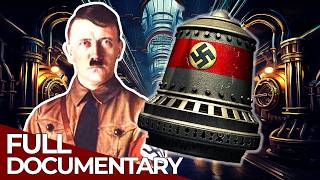
World War Weird: Nazi Anti-Gravity Device | Free Documentary History
A high-quality and gripping documentary from the channel Free Documentary History, exposing the secret Nazi attempt to develop revolutionary anti-gravity weapons during World War II. The film addresses Project "Die Glocke" (The Bell) — the most secret project of the Third Reich, examines testimonies of German engineers who fled to the West after the war and revealed astonishing technical details, and asks whether some of the technologies developed there found their way to American secret military facilities after the war ended.
The Secret Nazi UFO Project — Forbidden History — S02 EP5
A complete episode from the popular series Forbidden History focusing on the most secret and controversial Nazi UFO project. The episode reveals testimonies and documents about secret Luftwaffe research programs working to develop circular flying craft using advanced electromagnetic and anti-gravity propulsion technology, and examines whether traces of these technologies found their way into American Navy programs and the famous Roswell incident in the years after the end of World War II.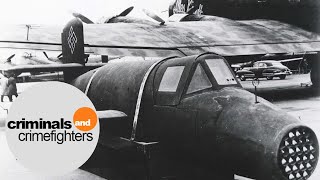
Secret Weapons | Project Natter | Full Documentary
A high-quality and ambitious complete documentary about Project "Natter" — one of the most futuristic and surprising secret weapons projects of the German Luftwaffe in the closing years of World War II. The film provides a detailed historical analysis of an attempt to develop the world's first vertical takeoff rocket interceptor — an aircraft that would have changed the entire face of aerial warfare forever — examines the dramatic test flights, and explains why the project ultimately failed despite the revolutionary technology developed within its framework.
In Search of Aliens: WWII Time Travel Warfare | Full Episode
A complete and dramatic episode from the popular series In Search of Aliens hosted by Giorgio Tsoukalos. The episode addresses the fascinating and controversial theory that some of the dramatic events during World War II — including incredible Allied victories at strategic moments — were the result of secret time travel warfare. The episode brings together leading experts in alternative history alongside conspiracy researchers to provide an unconventional perspective on one of the most dramatic eras in modern human history.
The Mysterious WW2 UFOs Sighting | World War Weird
A fascinating documentary investigation focusing on the strange and unexplained UFO sightings during World War II — one of the dark and lesser-known chapters of the dramatic conflict. The film documents the famous "Foo Fighters" — small luminous spheres of unknown origin that pursued American and German bomber aircraft on combat missions, examines pilot testimonies from both sides describing identical phenomena from completely independent positions, and asks if extraterrestrial entities were watching the deadly conflict from above.
History's Strangest Secret Weapons and Unsolved Mysteries
A comprehensive documentary survey of the most bizarre secret weapons developed throughout military history — including projects so unconventional that even today historians struggle to determine whether they were genuinely real or imaginative legends. The film addresses Tesla's revolutionary "Death Ray," Nazi Bell experiments, Soviet psychotronic weapons developed during the Cold War, and unexplained mysteries about advanced weapons technologies whose existence has been completely denied by Eastern and Western governments to this day.
Foo Fighters — WWII's Mysterious Flying Objects Explained
A focused and in-depth documentary entirely dedicated to the legendary "Foo Fighters" phenomenon during World War II — the most documented and best-attested UFO sightings of the era of the great war. The film systematically gathers eyewitness testimonies from American, British and even German pilots, tries to provide a detailed scientific explanation for the strange phenomenon, and asks whether these were a secret weapon of one of the parties to the conflict, an unknown atmospheric phenomenon, or the first official extraterrestrial visit to humanity in modern history.
The Secret Science of World War II — Full Documentary
A complete and ambitious documentary providing a comprehensive overview of the secret scientific projects that shaped the entire course of World War II from behind the scenes. The film addresses the central scientific projects of the war — from the historic Manhattan Project that developed the atomic bomb, through the dramatic British codebreaking efforts at Bletchley Park, to the Allied space programs that competed with the German V-2 rocket — and explains how scientific superiority and technological advances became the most decisive factor in the history of the entire war.


The Captain: When a 747 Committed a Mass Slaughter in Tel Aviv
On May 30, 1972, the worlds of aviation and Israeli security were changed forever. In the evening hours, an Air France flight touched down at Lod Airport, carrying three terrorists from the "Japanese Red Army" acting on behalf of the Popular Front. The aircraft—often colloquially referred to as the "humpbacked plane" due to the unique aerodynamic silhouette of early Boeing models—became a scene of brutal carnage within minutes. The moment the luggage was opened in the passenger terminal, the terrorists pulled out assault rifles and grenades, beginning an indiscriminate slaughter that claimed 26 lives and left dozens more wounded. The event, seared into the national memory as the "Lod Airport Massacre," exposed a severe security breach and fundamentally altered the strategy for defending Israel's aerial borders. In those days, security screenings focused primarily on detecting bombs or preventing hijackings; no one expected a group of Japanese terrorists—who did not fit the "threatening profile" of the era—to open fire inside the arrivals hall. Among the fallen was the renowned scientist Professor Aharon Katzir, brother of the man who would later become the President of Israel, Ephraim Katzir. This video dives deep into the technical and historical details of the disaster: from the meticulous planning by terrorist organizations in Lebanon, through the surprising international collaboration between Far East radicals and Palestinian militants, to the bloody aftermath on the terminal floor. We explore how an aircraft, a symbol of progress and cross-cultural connection, was turned into a tool for a murderous ideology, and how the Israeli Mossad responded with a cross-continental manhunt for the masterminds. Beyond the human tragedy, this episode examines the security legacy left in the wake of the event. The massacre led to the establishment of specialized security units and the development of the rigorous questioning and screening methods now synonymous with Ben Gurion Airport, making it one of the most secure flight hubs in the world. This is a story of heroism and failure, and the moment global terrorism arrived at the doorstep in its most violent and unexpected form.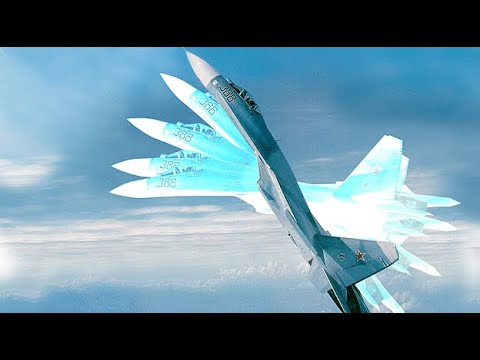
The Captain: The Bold Syrian and the World's Most Famous Maneuver
The story of "Pugachev’s Cobra" is regarded as one of the most fascinating and controversial chapters in the history of modern aviation, but its Israeli-Syrian connection adds a layer of extraordinary aerial audacity. In this video, "The Captain" dives into the depths of MiG and Sukhoi history to understand how an aerobatic maneuver designed to dazzle crowds at European airshows became a psychological—and occasionally tactical—tool in Middle Eastern skies. We review the tense encounters between the Israeli Air Force and the Syrian Air Force, and the moment one Syrian pilot decided to perform a maneuver that wasn't in any operational flight manual. The Cobra maneuver itself is an aerodynamic marvel: the aircraft suddenly pitches up to an angle of 110–120 degrees, effectively becoming a massive airbrake that sheds speed instantly before dropping back into level flight. While the West dismissed it as a useless "circus trick" in the era of modern missile-based dogfights, Eastern pilots saw it as a way to force a pursuer to overshoot, turning the hunter into the hunted. This video reveals how the technological race between the Soviet Union and the United States gave birth to the Su-27 and MiG-29, and how these capabilities ended up in the hands of our neighbors to the north. Beyond technical analysis, this episode focuses on personality and daring. The story of the "insolent Syrian" serves as a parable for the collision between high technology and the unpredictable human element. We examine the air battles of the eighties and nineties, the qualitative edge of the IDF against Soviet numbers and bravado, and ask the compelling question: can such a virtuoso maneuver truly decide a battle, or is it merely aerial suicide against today's sophisticated weapon systems? Join us for a journey behind the scenes of Russian aircraft engineering, through the sweating cockpits of MiG fighters, and into the intelligence briefings of the Israeli Air Force. This is a story of ego, lift, and those fleeting moments when a pilot decides to break the rules and attempt the impossible, just to prove it can be done. "The Captain" brings you all the details on the maneuver that became a myth, and the man who dared to test it in real time.
The Captain: How airplane toilets were invented
From a height of tens of thousands of feet, as we sit comfortably in a climate-controlled cabin, it is easy to forget that one of the most complex engineering challenges in aviation history didn't involve jet engines or aerodynamics, but rather our most basic human needs. In this episode of "The Captain," we dive into the fascinating, surprising, and occasionally humorous history of airplane toilets—from the days when aircraft were little more than leaky wooden boxes to the sophisticated vacuum systems of today. In the early days of civil aviation, the concept of "comfort" was almost imaginary. Early pilots and passengers had to make do with improvised solutions like buckets, bottles, or simple "exhaust vents" that released the dilemma directly into the atmosphere. The breakthrough only arrived with the development of larger aircraft, as designers realized that transcontinental travel required a hygienic and dignified solution. You will discover how World War II and the pressurized cabins of heavy bombers changed the rules of the game, and what became of those who attempted to use the facilities under extreme flight conditions. One of the most persistent myths in aviation is that planes "dump" waste mid-air during flight. This video shatters that myth, explaining the sophisticated mechanics of the famous (and problematic) "Blue Ice" system and how James Kemper’s 1975 invention of the vacuum toilet saved airlines millions of dollars in fuel. We will examine how the pressure differential between the interior and exterior of the aircraft acts as a powerful "vacuum cleaner," sucking everything at record speed into sealed storage tanks without using massive amounts of water—a precious and heavy commodity in flight. This is a story of human engineering at its finest, at the intersection of physics, chemistry, and logistics. We will learn about the chemicals designed to neutralize odors at high altitudes, the dangers of airborne sewage system failures, and the future of smart toilets in the aircraft of tomorrow. Join us for a journey behind the scenes of that small restroom stall, which hides some of the most brilliant technologies in the sky.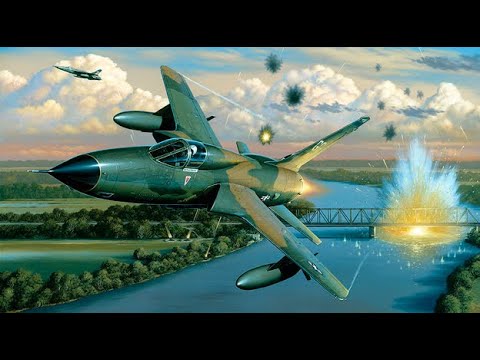
The Captain: The Bridge That Defeated the US Air Force
The story of the Thanh Hóa Bridge, better known by its menacing nickname "The Dragon’s Jaw," remains one of the most fascinating and frustrating chapters in the history of modern aerial warfare. Located in the heart of North Vietnam, this structure of concrete and steel became a symbol of inconceivable resilience, "swallowed" hundreds of bombs, missiles, and aircraft from the U.S. Air Force and Navy for years without collapsing. This episode of "The Captain" dives deep into the technological and psychological battle surrounding the bridge that became a strategic Achilles' heel for the world's strongest superpower. Rebuilt in 1964 over the Ma River, the bridge was engineered to be exceptionally resistant to bombing, but the Americans never imagined just how durable it would be. During Operation Rolling Thunder, it became a top-priority target due to its vital role as a main transport artery for moving weapons and supplies to the south. The raw data reveals the magnitude of the failure: over 800 operational sorties were launched to destroy the bridge, dozens of aircraft were shot down by the dense anti-aircraft batteries and MiGs defending it, and hundreds of tons of munitions were dropped with maximum precision—yet the bridge refused to fall. It became the target that redefined the limits of conventional air power against robust engineering and ground determination. The turning point finally arrived in the 1970s, marking the dawn of the precision-guided munitions breakthrough. In this video, we review how the failure of heavy bombers and "dumb bombs" led to the development of the first generation of laser-guided bombs. We will examine how a technology then in its infancy managed to achieve in a single mission what thousands of tons of explosives could not accomplish in seven years. It is a story of transition—from the era of carpet bombing to the era of surgical strikes—and the lessons the U.S. Air Force learned, at a heavy cost in blood, over the rivers of Vietnam. Beyond the military aspect, we examine the mythology built around "The Dragon’s Jaw" in North Vietnamese propaganda, which used the bridge's survival to humiliate the American Air Force and bolster the morale of its own forces. We will analyze the intelligence failures, the unique engineering that allowed the bridge to absorb direct hits, and the historical moment when warfare changed forever. "The Captain" brings you the full story of the bridge that didn't just stop trains, but nearly brought United States aerial doctrine to its knees.Cookies & Privacy 🍪
We use cookies to improve your experience
For more information, see our Privacy Policy