The Pilots Silence: The Worst Friendly Fire Incident in IDF History
Description
On the night of June 10, 1982, in the heart of the First Lebanon War, an event unfolded in the Wadi Shuba region that shook the IDF to its core. It remains an open wound for both the Air Force and ground forces to this day. What began as a routine close-air support mission for maneuvering troops spiraled within minutes into the deadliest friendly-fire disaster in the history of the State of Israel. Tragically misidentifying the target, Air Force Phantom pilots attacked a convoy from the Nahal Brigade’s 931st Battalion and an accompanying armored force, convinced they were striking a Syrian commando unit. The sheer intensity of the firepower was devastating; within seconds of hellfire, 25 soldiers were killed and hundreds more were wounded. For decades, the incident remained shrouded in silence and the fog of war. In-depth research now reveals a critical chain of failures: from a glaring lack of coordination between field headquarters and the Air Force’s central command, to radio communication breakthroughs and the heavy operational pressure weighing on the pilots. This chapter dives into those fateful moments of decision-making inside the cockpit, where operational ambiguity and the urgent desire to assist ground troops led to an unfathomable human error. The chilling testimonies of survivors on the ground, who watched their own planes dive toward them, are woven together with the perspective of the pilots, who only grasped the magnitude of the disaster after landing. Beyond cold military analysis, "The Pilots' Silence" explores the heavy psychological toll and the burden of guilt carried by those on both sides of the tragedy. While the event led to a profound conceptual shift within the IDF regarding inter-branch cooperation and the development of "friend-or-foe" identification systems, the grieving families and surviving veterans have faced decades of unanswered questions. This is a story of heroism and loss, examining the fragile line between operational success and national tragedy, raising piercing questions about command responsibility and the possibility of forgiveness long after the fire has subsided.
Original title
זמן אמת עונה 6 | פרק 16 - שתיקת הטייסים: אירוע הירי הדו-צדדי החמור ביותר בתולדות צה"ל
בליל ה-10 ביוני 1982, בעיצומה של מלחמת לבנון הראשונה, התרחש באזור "ואדי שובא" אירוע שטלטל את צה"ל ונותר כפצע פתוח בלב חיל האוויר וכוחות היבשה עד היום. מה שהחל כמשימת סיוע שגרתית של מטוסי קרב לכוחות המתמרנים, הפך תוך דקות לאסון הירי הדו-צדדי הקטלני ביותר בתולדות מדינת ישראל. טייסי פנטום של חיל האוויר, בזיהוי שגוי טרגי, תקפו בטיל ובפצצות שיירה של גדוד 931 מחטיבת הנח"ל וכוח שריון נלווה, כשהם משוכנעים כי הם פוגעים בכוח קומנדו סורי. עוצמת האש הייתה הרסנית, והתוצאות היו קשות מנשוא: 25 חיילים נהרגו ומאות נפצעו בתוך שניות של תופת. במשך שנים רבות נותר האירוע תחת מעטה של שתיקה וערפול קרב. המחקר המעמיק חושף את שרשרת המחדלים הקריטית – החל מחוסר התיאום המשווע בין המפקדות בשטח לבין מערך השליטה המרכזי של חיל האוויר, דרך קשיים בתקשורת האלחוטית ועד ללחץ המבצעי הכבד שבו היו נתונים הטייסים. הפרק צולל אל תוך רגעי ההחלטה הגורליים בתא הטייס, שם הערפל המבצעי והרצון לסייע לכוחות הקרקע הובילו לטעות אנוש בלתי נתפסת. העדויות המצמררות של הניצולים על הקרקע, שראו את מטוסיהם שלהם צוללים לעברם, משתלבות עם נקודת המבט של הטייסים שגילו את גודל האסון רק לאחר הנחיתה. מעבר לניתוח הצבאי הקר, "שתיקת הטייסים" עוסק במחיר הנפשי הכבד ובהתמודדות עם האשמה שמלווה את המעורבים משני צדי המתרס. האירוע הוביל לשינוי תפיסתי עמוק בצה"ל בכל הנוגע לשיתוף פעולה בין-זרועי ולפיתוח מערכות זיהוי "עמית-טורף", אך עבור המשפחות השכולות והלוחמים שנותרו בחיים, השאלות הקשות נותרו ללא מענה מספק במשך עשורים. זהו סיפור על גבורה, אובדן ועל הקו הדק והשברירי שבין ניצחון מבצעי לטרגדיה לאומית, המעלה תהיות נוקבות על האחריות הפיקודית ועל היכולת לסלוח ביום שאחרי האש.
Video transcript
This video has no captions on YouTube.
You can generate an approximate AI transcript from the video metadata.
Related Videos
Undercover Investigation: The Plot to Steal the Election | Truth Time Season 10 Premiere
Credit: זמן אמת · אילנה דיין · קשת 12The investigative flagship program of Kan 11 returns for another gripping season, hosted by Chen Liberman and Suleiman Maswadeh. In the season premiere, "Discordant Voices," the show exposes the entities potentially plotting to disrupt the upcoming Knesset elections and reveals the sophisticated methods they may employ. All episodes of "Zman Emet" (Real Time) are available now on Kan BOX and the official website: https://bit.ly/44qB362 #RealTime • Watch now on Kan BOX online ◄ https://www.kan.org.il/lobby/kan-box/ • Access all our content on the website ◄ http://www.kan.org.il/ • Download the Kan apps ◄ https://www.kan.org.il/content-pages/apps/Real Time Season 9 Finale | Shaping the Narrative: The PM’s Political Recovery after October 7
Credit: זמן אמת · אילנה דיין · קשת 12The events of October 7th left Israel in a state of profound national trauma, one that seemed destined to reshape the political landscape beyond recognition. In the days following the gravest failure in the country’s history, polls showed an unprecedented collapse in public trust, and many experts assessed that Benjamin Netanyahu's political career had reached its absolute end. However, only a few months later, the reality on the ground began to shift. The season finale of "Real Time" embarks on a fascinating documentary journey following the well-oiled mechanism behind one of the most dramatic shifts in public perception ever seen in Israeli politics. The film exposes the sophisticated strategies designed to reshape the public narrative—from the precision-use of social media and the messaging briefs distributed among supporters, to the management of confrontations with intelligence and security agencies. It offers a behind-the-scenes look at the "propaganda machine" and the ways in which the Prime Minister's inner circle managed to deflect fire from the responsibility for the failure toward questions of "absolute victory" and political survival. Through interviews with communications consultants, political experts, and confidants, the episode analyzes how national trauma became a tool in the battle for the public consciousness. Beyond cold political analysis, "Consciousness Shapers" examines the social cost of the struggle over the narrative. In an era of fake news and digital echo chambers, the boundaries between truth and alternative facts have blurred, leaving Israeli society perhaps more divided than ever, even in the midst of war. The episode presents case studies of viral campaigns aimed at rehabilitating the "Mr. Security" image and rebuilding the domestic support base, while fending off international criticism and internal pressure from the families of the hostages and the security establishment. This is not just a story of political survival, but an in-depth study of the power of words and images in the modern age. "Real Time" concludes its ninth season with a question that echoes through the future of Israeli democracy: Does the ability to control the narrative outweigh the test of reality? In an episode that combines piercing investigative journalism with a psychological analysis of the public sphere, the full picture is revealed of the operation to restore the standing of the man at the most fateful crossroads of decision-making in Israel's recent decades.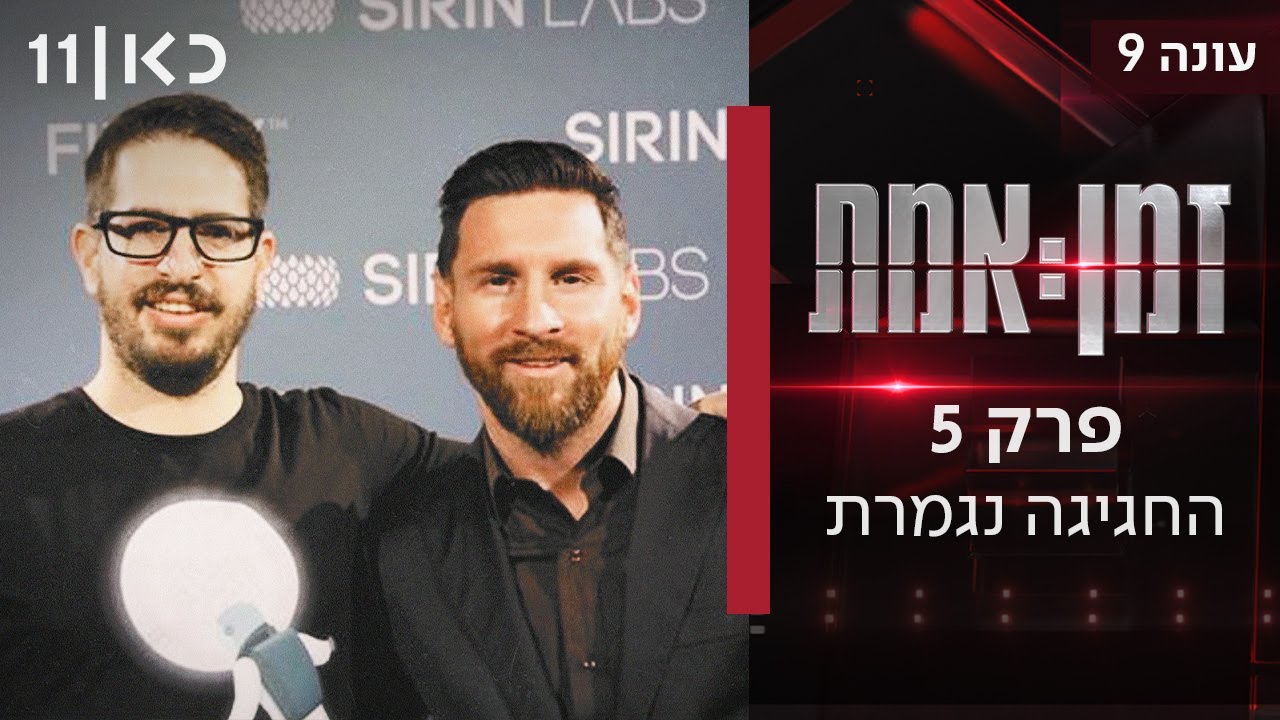
The Fatal Flood: Investigating the Systemic Failures Behind the Death of Maayan and Sahar Assor
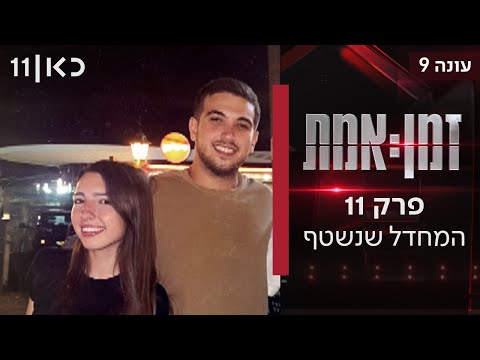
Credit: זמן אמת · אילנה דיין · קשת 12The terrible night of April 2023 in the Arava desert remains etched in Israel's national memory as one of the most devastating and avoidable disasters in recent years. Maayan and Sahar Assor, vibrant young siblings from Tiberias, lost their lives in a sudden flash flood in the Paran stream while driving to a vacation in Eilat. The tragedy, which began as a routine family drive down Highway 40, transformed within minutes into a desperate struggle for survival against the forces of nature. As the raging waters swept their vehicle away, the entire country watched with bated breath until the final, devastating discovery. Behind the unimaginable grief of the Assor family lies a complex web of systemic failures and deep-seated flaws. The police investigation, revealed for the first time in this episode of "Zman Emet," paints a jarring picture of a chain of negligence: from the failure of enforcement agencies to preemptively block dangerous routes, to critical communication gaps between command centers and the real-time management of the scene. The echoing question remains: how is it possible that in a developed nation equipped with advanced forecasting systems, citizens find themselves in a death trap on a major highway without sufficient warning? Beyond the analysis of operational failures, this documentary brings to the screen the human voices left in the wake of the storm. Through the testimonies of the rescuers, the officers on the ground, and the sole survivor of the vehicle—Shay Dahan, Maayan’s partner—moments of both terror and heroism are revealed. This is a poignant discussion on the state’s responsibility for its citizens' safety in the face of climate change and extreme weather, conditions that turn the quiet streams of the south into lethal torrents of destruction in a matter of seconds. The filmmakers embark on a journey following "the washed-away failure," attempting to understand whether the necessary lessons were learned to prevent the next disaster. Through a minute-by-minute reconstruction of events and an analysis of forensic and technological findings, a complex portrait emerges of a system that remained stagnant. This is not only a story of heartbreaking personal loss, but a social and administrative indictment that demands clear answers: who fell asleep on watch along the Arava route, and how do we ensure such a tragedy never repeats itself next winter?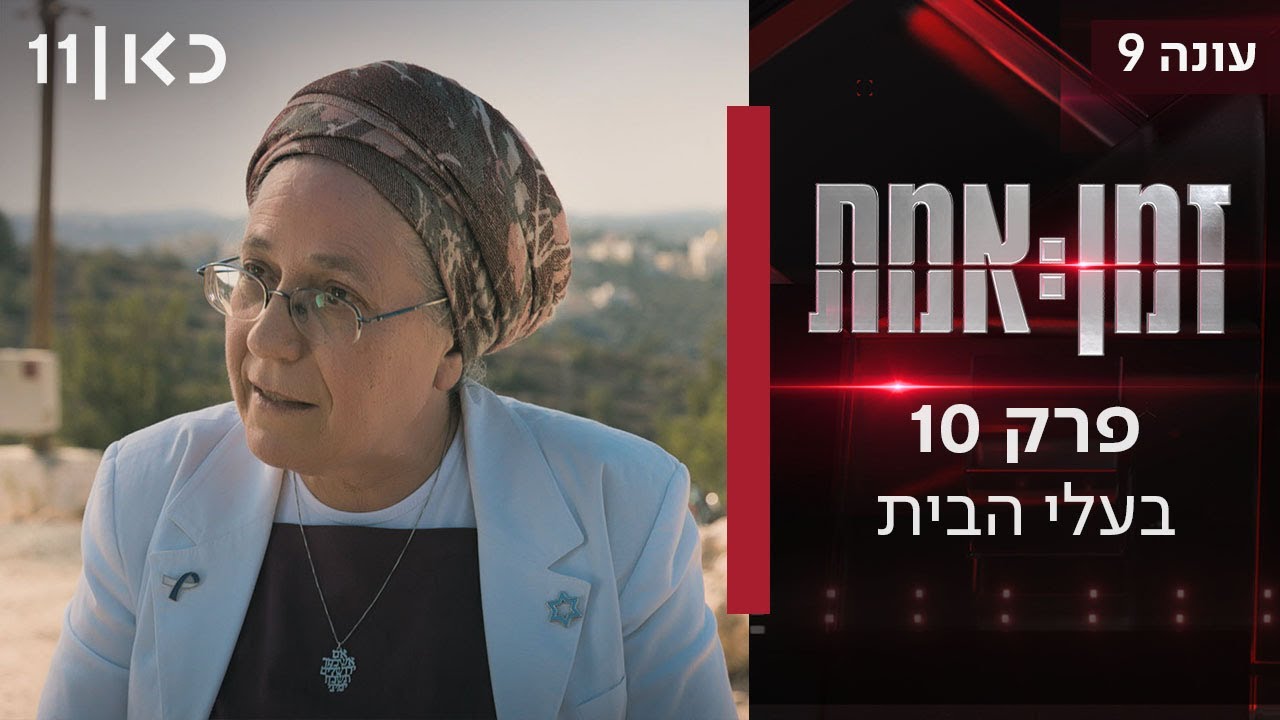
Real Time Season 9 Episode 8 — A Kernel of Truth: Did We Really Defeat the Iranians
Credit: זמן אמת · אילנה דיין · קשת 12For decades, a clandestine, multi-dimensional war has raged between Jerusalem and Tehran. It is a conflict fought far from the public eye—in research laboratories, across cyberspace, and through daring intelligence operations deep within enemy territory. This episode of *Zman Emet* embarks on a fascinating journey following one of the most pressing questions in national security: Has Israel's monumental effort to halt the Iranian nuclear project truly borne fruit, or are these merely tactical victories in a battle while the wider campaign is being decided in favor of the Islamic Republic? Through exclusive testimonies and profound strategic analysis, we reveal the complex reality of the struggle shaping the face of the Middle East. From sophisticated sabotage operations against centrifuge production lines in Natanz to the assassination of top nuclear scientists, Israel has demonstrated unprecedented intelligence and operational superiority. However, a troubling kernel of truth suggests that despite these countless disruptions, Iran has successfully built resilient and decentralized infrastructures. All the while, Tehran has exploited global geopolitical shifts to edge closer to a nuclear breakout capability. This episode examines the gap between resounding newspaper headlines and the reality on the ground, where Iran continues to enrich uranium to dangerous levels under the loose supervision of the international community. At the heart of the matter lies a strategic dilemma: are the old tools—economic sanctions and covert operations—still relevant against a state that has turned nuclear capability into its regime's insurance policy? Intelligence experts and former high-ranking officers analyze the approaching "moment of truth," in which Israel may find itself facing a fateful decision. This is not just a story of technology and spies, but a psychological and political struggle over deterrence and the future of the entire region. It raises the haunting question: have we truly succeeded in defeating Iranian ambitions, or are we merely delaying the inevitable?Cookies & Privacy 🍪
We use cookies to improve your experience
For more information, see our Privacy Policy