Skip to main content

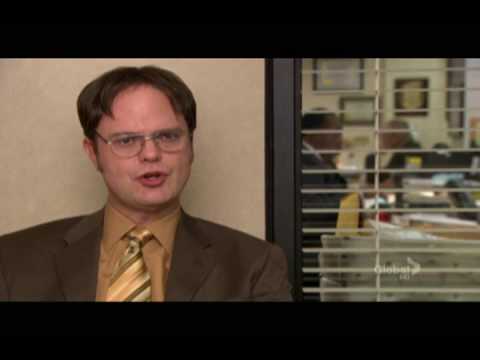


The Office S02E17 Dwight's Speech | Season 2 Episode 17 | #TheOffice TV Series Episode Review
Description
Join us for a review of the episode "Dwight’s Speech" from Season 2 of *The Office*. We’ll dive deep into the most memorable moments and jokes!
Original title
""The Office" עונה 2 פרק 17: הנאום של דווייט | סקירת פרק"
""הצטרפו אלינו לסקירה של הפרק "הנאום של דווייט" מתוך עונה 2 של "המשרד" (The Office). נתעמק ברגעים ובבדיחות הזכורים ביותר!""
Video transcript
This video has no captions on YouTube.
You can generate an approximate AI transcript from the video metadata.
Related Videos
No Subtitles
🇮🇱 Hebrew
The Best Pranks on Michael - The Office
The world of the modern office, as mirrored in the cult series *The Office*, became a comedic arena where the lines between managerial hierarchy and social chaos are completely blurred. At the heart of this whirlwind stands Michael Scott, the idiosyncratic and naive manager of Dunder Mifflin’s Scranton branch. Michael’s unique personality—a blend of a desperate need for social validation and a severe lack of self-awareness—made him the perfect target for his employees, led by Jim Halpert, who transformed the prank into a true work of art. The series did more than just make millions laugh; it explored the human dynamics where humor becomes a coping mechanism for the grinding routine of the workday. The pranks directed at Michael Scott are far more than simple practical jokes; they represent meticulous planning rooted in the complex psychology of the victim. Whether convincing him he’s been recruited for a top-secret CIA mission, misleading him about the time of day, or exploiting his intense desire to be "one of the guys," these pranks reveal his vulnerability and relentless optimism. Behind-the-scenes facts reveal that many of Steve Carell’s reactions included elements of improvisation, lending every situation the sense of documentary authenticity that defines the show's "mockumentary" style. Beyond the laughter, the pranks played on Michael Scott highlight the cultural legacy of *The Office* as a series that redefined 21st-century television. The ability to transform awkward situations and cringeworthy moments into a lesson on friendship, patience, and humanity is what rendered the show legendary. The evolution of these pranks throughout the seasons demonstrates how they shifted from simple amusement into a unifying mechanism for the office staff—either against or in support of the boss they eventually learned to love despite his flaws. This is a journey through the most iconic moments that shaped the world’s most famous boss, and a story of how humor manages to bridge both professional and personal divides.No Subtitles
🇮🇱 Hebrew
The Best of Stanley Hudson - The Office (Digital Exclusive)
Stanley Hudson, masterfully portrayed by actor Leslie David Baker, serves as one of the pillars of human comedy in the American version of "The Office." As a veteran salesman at Dunder Mifflin, Stanley’s character represents a sober, and at times cynical, realism in the face of the compulsive optimism and chaos generated by branch manager Michael Scott. While the other employees are swept up in the office’s latest antics, Stanley maintains an indifferent facade, armed with his crossword puzzles and a fierce desire to reach five o'clock—making his rare emotional outbursts unforgettable television moments. The dynamic Stanley brings to the Dunder Mifflin Scranton branch is based on the art of "minimum effort, maximum result." He is regarded as one of those who has simply "run out of care," a trait that has made him an icon for many viewers who identify with workplace burnout. However, behind the sleepy exterior lies a complex character with moments of explosive rage—the most famous being his "Did I stutter?" confrontation with Michael Scott—and a deep affection for life's simple pleasures, such as the annual "Pretzel Day," the one day of the year safe for a genuine smile to grace his face. This exclusive collection of moments dives into the subtle nuances that turned Stanley into a cult hero: from his dismissive glares directly into the camera, to his rare and surprisingly infectious laughter, and his sharp, brief monologues deconstructing the absurdity of office life. This is an opportunity to take a closer look at how a seemingly secondary character managed to steal the show time and again, becoming a symbol of quiet, humorous resistance to corporate bureaucracy.No Subtitles
🇮🇱 Hebrew
Locked In - The Office US
The American version of *The Office* earned its place in the television pantheon primarily through its ability to transform mundane, everyday situations into poignant and comedic human drama. One of the series' most effective recurring motifs is the sense of siege and density—the idea that a group of people with clashing personalities is forced to share a confined, limited space for long hours. The episode "Night Out" (often referred to by the predicament of being locked in) takes this concept a step further, subjecting the characters to a fascinating psychological and social test when a seemingly innocent mistake turns the Dunder Mifflin office building into a trap of pure discomfort. The tension of being trapped inside the office stems not only from the physical barrier but from the collapse of professional boundaries between the employees. As the hours pass and the hope of leaving the building fades, the group dynamic deteriorates: patience wears thin, secrets bubble to the surface, and neurotic behavioral patterns become magnified. On a production level, these types of installments are often called "bottle episodes"—episodes that take place in a single primary location. This format allows the writers to focus on razor-sharp dialogue and the actors' body language, utilizing the dim lighting and the stillness of the night to create an atmosphere entirely different from the familiar office environment. Beyond the laughter, the situation of being "locked in the office" serves as a microcosm for questions regarding freedom, choice, and corporate hierarchy. When the characters find themselves trapped outside of working hours, the class system that Michael Scott tries so hard to maintain begins to crack. It is a moment of truth where the boss, the manager, and the low-level employee become equals before the locked gate. An examination of these moments reveals the genius behind the series: the ability to take a small, relatable claustrophobic fear and transform it into a journey of self-discovery, social awkwardness, and black comedy at its finest.No Subtitles
🇮🇱 Hebrew
Jim & Dwight vs Packer - The Office US
In the archive of unforgettable television comedy moments, the struggle between the Dunder Mifflin crew and Todd Packer stands as one of the most compelling turning points in the complex relationship between Jim Halpert and Dwight Schrute. For years, Packer—the crude, traveling salesman—represented the dark and toxic underbelly of old-school corporate culture: a blatant lack of sensitivity, relentless harassment, and a delusional sense of superiority. To Dunder Mifflin, he was a "necessary evil" shielded by Michael Scott’s blind admiration; but to the rank-and-file employees, he was a persistent nuisance threatening an already fragile office dynamic. This particular confrontation offers a rare glimpse into the moment when the series' two greatest rivals, Jim and Dwight, decide to set aside their pranks and mutual hostility in favor of a common goal. This alliance is born not of sudden affection, but of a survival instinct and a shared fate in the face of a figure who disrupts the delicate balance of the office’s closed ecosystem. Dwight, who craves order and discipline, and Jim, who seeks peace of mind (and freedom from bullying), find themselves joining forces using tactics reminiscent of spy films or psychological thrillers, exploiting Packer's weaknesses to remove him from the picture permanently. Culturally, the episodes chronicling Packer’s downfall illustrate the shift in modern workplace values as reflected on screen. The connection between Jim and Dwight highlights that despite their profound differences, there exists an unwritten pact of "sanity" against external chaos. The comedic tension built throughout these scenes proves once again why *The Office* resonated with such a wide audience; it reveals the humanity behind corporate masks and the power inherent in the cooperation of polar opposites when faced with a common, arrogant foe.No Subtitles
🇮🇱 Hebrew
The Office :: 10 Full Grown Men
For decades, the modern office environment has served as a fascinating social laboratory, where dynamics of power, hierarchy, and collaboration clash with the most primal human instincts. When ten adult men are placed within a closed space under rigid job descriptions, a unique human microcosm begins to evolve. The daily routine—seemingly mundane and governed by dry protocols—conceals a constant undercurrent of struggle for status, recognition, and territory, reshaping the very concept of "masculinity" in the corporate era. The history of the modern office teaches us that the physical structure of a workspace is not merely functional, but a tool for behavioral engineering. Sociological studies show that within groups of adult men working together, latent bonds form based on loyalty and unwritten ethical codes. Yet, silent rivalries also emerge, manifesting in the smallest details—from desk placement to the subtle shifts in tone during staff meetings. This phenomenon, where ten individuals with vastly different life experiences are forced to synchronize their actions, often produces behavioral anomalies ranging from dry humor to profound tension. A look inside this group dynamic reveals how individuality is eroded by the needs of the collective. Ten men, each a world unto himself, become cogs in a larger machine—a process that raises philosophical questions about agency and the loss of personal identity in the 21st century. Is the office environment the pinnacle of human civilization, or is it a gilded cage suppressing our natural instincts? Analyzing these interactions provides a rare window into understanding the complex machinery that drives modern economy and society.No Subtitles
🇮🇱 Hebrew
The Office Dinner Party Bloopers Reaction Video
The "Dinner Party" episode is widely regarded as one of the crowning achievements of the masterpiece sitcom *The Office*, and perhaps one of the greatest comedic episodes in television history. Filmed at the height of the 2008 writers' strike, the episode perfectly captures the unbearable tension and cringeworthy humor that defined the toxic relationship between Michael Scott and Jan Levinson. The cramped, claustrophobic setting of the apartment became a stage for countless iconic moments—from the tiny plasma TV that "folds right into the wall" to Dwight’s surprise appearance with his former "babysitter." Behind the scenes, filming this legendary episode proved to be an immense challenge for the cast, who struggled with uncontrollable fits of laughter. The outtakes reveal the moments where the comedic mask slipped: Steve Carell, John Krasinski, and Jenna Fischer are seen collapsing under the weight of the script's wit, particularly during the famous plasma screen scene or while listening to Hunter’s demo tracks. These bloopers are more than just a comedic break; they are a testament to the rare synergy of a cast that, even after long hours of grueling shoots, found every line of dialogue as fresh and hilarious as if it were written on the spot. Watching the reactions to these bloopers offers fans a rare glimpse into the creative process of a modern classic. Through the eyes of those responding, we rediscover the subtle nuances in the actors' performances and realize just how thin the line is between deep awkwardness and a liberating burst of laughter. This video dives into the group dynamics that transformed *The Office* into a timeless cultural phenomenon, analyzing how those moments of losing control on set ultimately fueled the energy behind one of the most brilliant works to ever grace the small screen.No Subtitles
🇮🇱 Hebrew
The Office - Don't Bother Luke
In the seventh season of the masterful comedy series *The Office*, viewers are treated to a complex and amusing family dynamic that bursts into the workspace of Dunder Mifflin’s Scranton branch. The episode "Nepotism" centers on Luke Cooper, a lazy new intern who is revealed to be the nephew of Regional Manager Michael Scott. Luke's presence creates immediate tension among the veteran employees, who are forced to contend with a combination of the young nihilist’s blatant lack of professionalism and Michael’s familiar tendency to fiercely—and often blindly—protect those close to him, even at the expense of office productivity. The episode delves deep into the themes of nepotism and its consequences on organizational climate, utilizing the cinematic tools of the mockumentary genre. While Luke flouts simple tasks like ordering coffee or managing the mail, the office staff attempts to form a united front against the preferential treatment he receives. The narrative turning point arrives when Michael is forced to choose between family loyalty and his professional obligations as a manager—a moment that leads to one of the most unforgettable and physical scenes in the series' history: Michael’s "re-education" outburst toward Luke in front of the entire stunned staff. Beyond the comedy, the episode offers a fascinating glimpse into Michael Scott’s past and his desperate need for familial validation. The fact that Michael tries so hard to integrate his nephew into the workplace, despite Luke's obvious failure, underscores the loneliness inherent in his character and his persistent attempt to turn the office into a surrogate family. Luke, portrayed by Evan Peters (who would later become an acclaimed Hollywood star), represents the generational gap and the disdain the younger generation sometimes holds for the traditional world of work. This creates constant friction, sparking reflection on the boundaries of patience and authority in the modern workplace.No Subtitles
🇮🇱 Hebrew
The Office Dwight Fire Drilll
One of the most iconic and memorable scenes in the history of modern television is undoubtedly the "fire drill" initiated by Dwight Schrute in the double episode "Stress Relief" of *The Office*. This monumental comedic moment, which originally aired immediately following the 2009 Super Bowl, was designed to draw a massive audience and showcase the chaotic dynamics of the Dunder Mifflin employees at their peak. Dwight, frustrated that his coworkers ignored his safety presentation, decides to take a radical "experiential learning" approach. By simulating a real office fire—blocking exits and spreading smoke—he triggers a total collapse of public order within mere minutes. From a production standpoint, the scene is considered a masterpiece of comedic timing and physical choreography. Director Jeffrey Blitz successfully orchestrated a frenzy that included throwing cats into the acoustic ceiling, smashing windows with office copiers, and the desperate survival attempts of characters like Michael Scott, Kevin, and Angela. The fact that it was filmed in the show’s signature "mockumentary" style gave the scene a sense of urgency and startling realism that only heightened the absurdity of the situation. The utter chaos reached its climax when Stanley Hudson suffered a heart attack, an event that became the narrative pivot point for the entire episode. Behind the scenes, the fire drill has become a gold standard of television writing, blending situational comedy with a critique of American work culture and office bureaucracy. The scene went unprecedentedly viral and is still used today in management and safety workshops—usually as a prime example of what *not* to do. It epitomizes the essence of Dwight Schrute's character: a dangerous cocktail of blind devotion to rules, a total lack of social skills, and a desperate need to assert dominance. For fans of the series, it represents a pinnacle of satirical writing that managed to distill modern office anxiety into minutes of non-stop laughter.No Subtitles
🇮🇱 Hebrew
(The Office) Michael Scott || If I Could Be Like That
Michael Scott, the legendary regional manager of Dunder Mifflin portrayed by Steve Carell, stands as one of the most complex and iconic characters in modern television history. Beneath the veneer of cringe-inducing humor, a staggering lack of self-awareness, and baffling managerial decisions, lies a tormented soul desperately searching for validation, belonging, and love. The series "The Office," which has attained cult status worldwide, utilized the mockumentary format to expose the unbearable chasm between the image Michael sought to project and the lonely reality of his life. The song accompanying this emotional chronicle, "If I Could Be Like That," echoes Scott's deepest yearning: the desire to be someone else—someone more "successful" in the eyes of society, who doesn’t stumble over his words or face rejection from those around him. Throughout the series, viewers are witness to small moments of vulnerability where the mask of the "cool boss" slips away, revealing a man who grew up without friends and views his coworkers as a surrogate family. This longing for admiration and intimacy is the engine behind his most extreme actions, transforming him from a shallow comedic figure into a poignant, tragicomic hero. Beyond the laughter, the character of Michael Scott represents the universal human struggle to find meaning within the gray monotony of office life. Through his eyes, Scranton, Pennsylvania, becomes an arena for epic dramas, and paper sales become a life’s mission. His determination to believe in the magic and potential of every moment, even when all the evidence points toward failure, is ultimately what causes his peers—and the audience at home—to fall in love with him. It is the story of a man trying to bridge the gap between his idealized identity and who he truly is, discovering along the way that his flaws are precisely what make him unforgettable.No Subtitles
🇮🇱 Hebrew
Kevin Malone… you MIGHT be the father #TheOffice #KevinMalone #JanLevinson #Shorts
One of the most entertaining and persistent theories among fans of the cult hit series *The Office* revolves around one of the greatest mysteries of the later seasons: the biological father of Astrid, Jan Levinson's daughter. While Jan adamantly claims she conceived via an anonymous donor from a sperm bank, subtle clues planted throughout the episodes have led viewers to a surprising alternative conclusion—the possibility that Kevin Malone, Scranton’s clumsy, chili-loving accountant, is actually the father. The theory centers on an unforgettable scene in which Kevin reveals he is a regular donor at the sperm bank located next to an IHOP—the exact same establishment Jan used. Jan’s reaction to this discovery—a mixture of sheer horror, denial, and shock—became one of the series' most iconic comedic moments. The idea that Kevin, a character embodying childlike innocence and frequent intellectual lapses, could be the genetic source for the daughter of a cold, perfectionist executive creates an ironic contrast that aligns perfectly with the show’s trademark absurd humor. Behind the scenes, the show’s creators and cast members, including Brian Baumgartner (who portrays Kevin), have frequently addressed these hints in interviews and "behind-the-scenes" podcasts. Fans point out that the writers enjoyed leaving loose ends and small mysteries to fuel forum discussions years after the show concluded. This is a prime example of the clever writing that defined *The Office*, blending mundane office life with complex, bizarre backstories that reward the most observant viewers. The dynamic between Kevin and Jan during these episodes isn’t just comic relief; it’s a testament to the show’s ability to build a richly detailed world. Whether it was a cosmic coincidence or a deliberate wink from the writers remains open to interpretation, but the theory undoubtedly adds a layer of depth to Kevin Malone—the man who always manages to surprise everyone, even when he isn't trying.No Subtitles
🇮🇱 Hebrew
No Subtitles
🇮🇱 Hebrew
Andy Thinks He's Gay - The Office US
The American sitcom *The Office* is renowned for its remarkable ability to transform awkward social situations into masterpieces of character-driven humor. One of the series' most memorable and complex moments occurs when Andy Bernard, played by Ed Helms, finds himself spiraling into a particularly amusing identity crisis. Andy—a character defined by a desperate need for social validation and a constant questioning of his place in the Scranton branch hierarchy—becomes the subject of a forced "thought experiment" after rumors and hints from his colleagues lead him to doubt his own sexual orientation. The intricate interaction between Andy and the rest of the staff exposes the toxic yet hilarious dynamics of the workplace. While Michael Scott attempts, in his characteristically clumsy and tactless fashion, to demonstrate "enlightenment" and liberalism, he only succeeds in deepening Andy’s distress. The plot integrates elements of social psychology, where the group’s influence over the individual is so potent that Andy begins scouring his memory for clues or "evidence" that might confirm his coworkers' theories, completely disregarding his own basic instincts. Beyond its comedic value, the scene highlights the show’s sharp writing, which is never afraid to tackle themes of self-definition and social stigma. Ed Helms masterfully conveys a wide spectrum of emotions—from total confusion to a frantic desire to please those around him—making this moment a standout highlight of the later seasons. It serves as a classic example of how *The Office* utilizes minor misunderstandings to tell a larger story about the human need to belong, even if it means entertaining an identity that doesn't exist.No Subtitles
🇮🇱 Hebrew
No Subtitles
🇮🇱 Hebrew
No Subtitles
🇮🇱 Hebrew
It's Johnny Depp! - The Office US
In a hilarious scene from *The Office*, Dwight is stunned to discover that Andy performed in a production of a Broadway show, only to realize there is a massive misunderstanding. He is convinced that Andy starred in the musical *Sweeney Todd*, mistakenly associating it with the film version where Johnny Depp plays the lead role. Dwight's confusion creates a truly unforgettable comedic moment.No Subtitles
🇮🇱 Hebrew
No Subtitles
🇮🇱 Hebrew
No Subtitles
🇮🇱 Hebrew
No Subtitles
🇮🇱 Hebrew
No Subtitles
🇮🇱 Hebrew
Cookies & Privacy 🍪
We use cookies to improve your experience
For more information, see our Privacy Policy