The Office, Parks and Recreation and Community - Brotherhood of Men
Description
During the final years of the American network sitcom’s golden age, three masterpieces emerged that fundamentally altered the television landscape: *The Office*, *Parks and Recreation*, and *Community*. Beyond their sharp wit and the mockumentary format that defined two of them, these series offered a profound re-examination of 21st-century masculinity. Moving away from outdated stereotypes of the stoic, detached male, characters like Michael Scott, Ron Swanson, and Jeff Winger represent a broad spectrum of vulnerability, a yearning for belonging, and a quest for social validation—all within environments that foster the creation of surrogate families at work or school. A central axis of these works is the concept of the "bromance"—deep male camaraderie that transcends standard professional relationships. In *The Office*, the bond between Jim Halpert and Dwight Schrute evolves from a bitter rivalry into a genuine friendship built on mutual respect. Meanwhile, the relationship between Troy and Abed in *Community* provides an almost unprecedented depiction of soft, creative masculinity, entirely free of inhibition. In *Parks and Recreation*, the character of Ron Swanson serves as an anchor of traditional values, yet even he finds himself drawn into emotional connections that force him to shed his armor of rugged American individualism for the sake of his colleagues. A cultural analysis of these series reveals a transformation in male leadership from dominance to mentorship. These managers and central figures no longer strive solely for professional achievement; instead, they seek to build communities that provide them with meaning. Through conflict, moments of decline, and small victories, these shows paint a portrait of the modern man as someone who understands that true strength lies not in a display of power, but in the capacity for compassion, loyalty, and brotherhood amidst the everyday chaos of life. It is a fascinating look at how popular entertainment reflects, and even shapes, the shifts in social order and gender identity in our time.
Original title
''משרד'', ''מחלקת גנים ונוף'' ו-''קומיוניטי'' – אחווה גברית
בשלהי תור הזהב של הסיטקום האמריקאי ברשתות השידור, צמחו שלוש יצירות מופת ששינו את פני הטלוויזיה: "המשרד", "מחלקת גנים ונוף" ו"קומיוניטי". מעבר להומור השנון ולמבנה התיעודי-למחצה (Mockumentary) שאפיין שתיים מהן, הסדרות הללו הציגו בחינה מחודשת ועמוקה של מושג ה"גבריות" במאה ה-21. בניגוד לסטריאוטיפים הישנים של הגבר הקשוח והמרוחק, דמויותיהם של מייקל סקוט, רון סוונסון וג'ף וינגר מייצגות קשת רחבה של פגיעות, רצון להשתייכות וחיפוש אחר אישור חברתי, כל זאת בתוך סביבה שמעודדת יצירת קשרים משפחתיים חלופיים במקום העבודה או בלימודים. ציר מרכזי ביצירות הללו הוא מושג ה"ברומאנס" (Bromance) – האחווה הגברית העמוקה שמתעלה מעבר ליחסי עמיתים רגילים. הקשר בין ג'ים דאלפין לדווייט שרוט ב"המשרד" מתפתח מיריבות מרה לידידות אמתית המושתתת על כבוד הדדי, בעוד שביחסים בין טרוי לבד ב"קומיוניטי" אנו חוזים בייצוג כמעט חסר תקדים של גבריות רכה, יצירתית ומשוחררת מעכבות. ב"מחלקת גנים ונוף", דמותו של רון סוונסון משמשת כעוגן של ערכים מסורתיים, אך גם הוא מוצא עצמו נשאב לתוך מערכות יחסים רגשיות המאלצות אותו להשיל את שריון האידיאליזם האמריקאי שלו למען חבריו למחלקה. הניתוח התרבותי של סדרות אלו חושף כיצד המנהיגות הגברית עוברת טרנספורמציה משליטה לטיפוח. המנהלים והדמויות המרכזיות אינם מחפשים עוד רק הישגים מקצועיים, אלא מבקשים לבנות קהילה שתעניק להם משמעות. דרך עימותים, רגעי שקיעה וניצחונות קטנים, הסדרות הללו משרטטות את דיוקנו של הגבר המודרני כמי שמבין שהכוח האמיתי אינו טמון בהפגנת כוח, אלא ביכולת להפגין חמלה, נאמנות ואחווה בתוך הכאוס היומיומי של החיים. זהו מבט מרתק על האופן שבו הבידור הפופולרי משקף ואף מעצב את השינויים בסדר החברתי ובזהות המגדרית של זמננו.
Video transcript
This video has no captions on YouTube.
You can generate an approximate AI transcript from the video metadata.
Related Videos
Michael Scott Deleted Scenes That Shouldn't Have Been Cut
This video showcases a compilation of deleted scenes featuring Michael Scott from the iconic TV show "The Office." These scenes, for various reasons, didn't make the final cut but offer additional comedic moments and insights into Michael's character. Fans of the show will appreciate these rare and often hilarious glimpses into the world of Dunder Mifflin. It's a treat for anyone who wishes there was even more of Michael Scott to enjoy.First Time Watching The Office Season 5 | This Season Is INSANE 😂
This video captures a first-time viewer's reaction to Season 5 of "The Office." The creator shares their genuine, unfiltered thoughts and feelings as they experience the humor, drama, and iconic moments of the season for the very first time. Expect an entertaining commentary filled with laughter, surprise, and perhaps some emotional responses as they discover why this season is considered "insane."The Office Series Finale!
This video is dedicated to the series finale of "The Office." It will likely explore the emotional farewell, the resolution of character storylines, and the impact of the show's ending on its loyal fanbase. Viewers can expect a thorough recap and analysis of the final episode's key moments. The video might also delve into the legacy of "The Office" and its cultural significance.The Office Season 9 Episode 24 & 25 'A.A.R.M Part 1 & 2' First Time Reaction
This video captures a first-time reaction to The Office Season 9, Episodes 24 and 25, titled 'A.A.R.M. Part 1 & 2'. Viewers will experience the raw, authentic emotions of someone watching these pivotal final episodes for the very first time. The reaction likely includes anticipation, laughter, and perhaps tears as the beloved series draws to a close. This is a must-watch for fans who want to relive the magic or see a fresh perspective on the iconic finale.The Office Season 9 Episode 22 'Living The Dream Part 1' First Time Reaction
This video captures a first-time reaction to "Living The Dream Part 1," the twenty-second episode of the ninth season of the beloved comedy series, The Office. Viewers will experience the unfolding of events through fresh eyes, sharing in the genuine emotions and humor as the reactor watches this pivotal episode. Anticipate an authentic and engaging response to the Dunder Mifflin Scranton branch's latest antics and character developments. This reaction promises to be a delightful watch for fans eager to relive the magic or see it anew through someone else's perspective.The Office Season 9 Episode 23 'Living The Dream Part 2' First Time Reaction
This video features a first-time reaction to "Living The Dream Part 2," the 23rd episode of the ninth season of the popular TV show, The Office. The reactor watches the episode for the very first time, offering their live, unedited thoughts and emotions as the events of the episode unfold. Viewers can expect to share in the excitement, surprise, and humor of experiencing this significant episode of The Office through fresh eyes. This reaction video is perfect for fans of The Office who want to relive the magic of the show or see how a new viewer experiences this pivotal moment.The Office Season 9 Episode 21 'Paper Airplane' First Time Reaction *Re-Upload*
This video features a first-time reaction to The Office Season 9, Episode 21, titled 'Paper Airplane'. The creator is re-uploading their initial reaction video to this particular episode. Viewers can expect to see genuine, unscripted responses as the person watches this penultimate episode of the beloved comedy series for the very first time. It's an opportunity to relive the humor and emotional moments of 'Paper Airplane' through fresh eyes.How Andy Won In the End - The Office US
This video explores the character arc of Andy Bernard from The Office (US) and how he ultimately found success and happiness. It analyzes his journey, highlighting key moments and decisions that led to his triumphant ending. The video aims to provide a comprehensive look at Andy's development throughout the series and why his conclusion is considered a victory.The Office Season 9 Episode 19 'Promos' First Time Reaction
This video captures a first-time reaction to "Promos," the 19th episode of the 9th season of the beloved TV series, The Office. Viewers will experience the genuine, unscripted responses of someone watching the episode unfold for the very first time. Expect to see their immediate thoughts, emotions, and perhaps some humorous insights as they react to the Dunder Mifflin crew's latest antics. This reaction video offers a fresh perspective on a classic episode, making it enjoyable for both new and long-time fans.The Office Season 9 Episode 17 'Moving on Part 2' First Time Reaction
This video captures a first-time reaction to "Moving On Part 2," the 17th episode of the 9th season of The Office. Viewers can expect to see genuine, unscripted responses as the individual experiences the plot twists and character developments of this particular episode for the very first time. The content focuses purely on the immediate emotional and analytical reactions to the episode without prior knowledge or spoilers. It offers an authentic perspective on how a new viewer engages with this significant installment of the beloved comedy series. This reaction video provides a fresh look at familiar scenes through the eyes of a new audience member.The Office BUT it's just at Michael's Condo
This video compiles all the scenes from the hit TV show "The Office" that take place exclusively at Michael Scott's condominium. Experience the cringeworthy humor, awkward social interactions, and surprisingly tender moments that unfold within the confines of Michael's personal space. This unique compilation offers a fresh perspective on his character and his relationships with his Dunder Mifflin colleagues outside the office environment.The Office Season 9 Episode 14 'Vandalism' First Time Reaction
This video captures a first-time reaction to "Vandalism," the fourteenth episode of the ninth season of the popular TV show, The Office. Viewers can expect to see candid and spontaneous responses to the episode's plot points, character interactions, and comedic moments. Watching someone experience this episode for the first time offers a fresh perspective on a classic show. It's an engaging watch for both new fans and long-time enthusiasts of The Office.
The Office Season 9 Episode 13 'Junior Salesman' First Time Reaction
This video captures a first-time reaction to The Office Season 9, Episode 13, titled "Junior Salesman." Viewers can expect to see genuine, unscripted responses and emotions as the individual experiences the episode's plot twists and comedic moments for the first time. The reaction will likely delve into character interactions, plot developments, and overall impressions of this particular installment in the final season of the beloved sitcom. It offers an authentic perspective for fans who enjoy reliving the show through fresh eyes or those curious about initial viewer experiences.
Regional Managers RANKED By INSANITY - The Office US
This video ranks the regional managers from the US version of The Office based on their level of insanity. It delves into the quirky, eccentric, and sometimes outright bizarre behaviors exhibited by characters like Michael Scott, Dwight Schrute, and others. Viewers can expect a humorous breakdown of their most memorable and deranged moments in leadership.
SUPERFAN Cold Opens every fan Must See - The Office US
This video compiles some of the most memorable cold open scenes from "The Office US", hand-picked by a superfan. Viewers can expect a humorous journey through Scranton, showcasing the beloved characters and their iconic antics before the show's opening credits. It's a must-see for anyone who appreciates the unique humor and charm of the Dunder Mifflin crew. Relive the laughter and genius of these classic moments that set the tone for countless episodes.
The Target DELETED Cold Open | A Peacock Extra | The Office Superfan Season 9
This video features a deleted cold open from "The Office Superfan Season 9" titled "The Target DELETED Cold Open." As a Peacock Extra, it offers exclusive unseen content from the popular series. Fans can expect a humorous and characteristic opening scene that likely involves the familiar antics of the Dunder Mifflin Scranton branch.
The Office Season 9 Episode 10 'Lice' First Time Reaction
This video captures a first-time reaction to "Lice," the tenth episode of the ninth season of the popular TV show "The Office." Viewers can expect to see genuine, unfiltered responses as the reactor experiences the comedic and dramatic moments of the episode for the first time. The reaction provides a fresh perspective on a classic episode, highlighting its key plot points and character interactions through the eyes of a new viewer. It's an entertaining watch for fans of "The Office" who want to relive the humor and absurdity of the series finale season.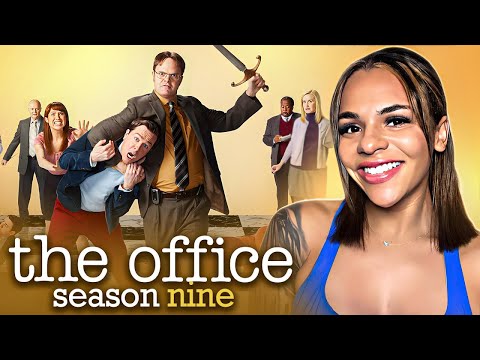
The Office Season 9 Episode 11 'Suit Warehouse' First Time Reaction
This video features a first-time reaction to 'Suit Warehouse,' the eleventh episode of the ninth season of the popular TV show, The Office. Viewers can expect to see genuine, unscripted responses and commentary from someone experiencing the episode's humor and storylines for the very first time. This reaction video offers a fresh perspective on the well-loved series, capturing the immediate emotional responses to the events unfolding on screen. It provides an entertaining way to revisit the episode through someone else's initial impressions.
The Office Season 9 Episode 12 'Customer Loyalty' First Time Reaction
This video captures a first-time reaction to The Office Season 9, Episode 12, titled 'Customer Loyalty'. Viewers can expect to see genuine, unscripted responses as the individual watches the episode for the very first time. The content will likely focus on key plot points, character developments, and comedic moments within this particular installment of the beloved series. It offers a fresh perspective for fans who have already seen the episode, or an entertaining companion for those watching along.
Why is everyone Bullying Creed? | Season 9 SUPERFAN Deleted Scene | A Peacock Extra - The Office
This deleted scene from The Office, Season 9, titled "Why is everyone Bullying Creed?", offers a glimpse into the ongoing, often humorous, mistreatment of Creed Bratton by his Dunder Mifflin colleagues. As an exclusive Peacock Extra, this clip likely provides further context or a standalone moment showcasing the unique dynamic of Creed within the office environment. Viewers can expect to see more of the dry wit and peculiar interactions that characterize the beloved character. The scene presumably highlights how the other employees playfully torment him, revealing their comical interactions and Creed's unusual responses.Cookies & Privacy 🍪
We use cookies to improve your experience
For more information, see our Privacy Policy