The Office - Morse Code Prank
Description
The tense and entertaining dynamics between Jim Halpert and Dwight Schrute in *The Office* reached one of its creative peaks in the brilliant Morse code prank. What begins as a routine attempt by Dwight to assert intellectual superiority and office discipline quickly evolves into a well-timed psychological operation. Demonstrating perfect teamwork, Jim and Pam decide to take a crash course in this historical communication method just to rattle Dwight, tapping out rhythmic signals and broadcasting encrypted messages right under his nose. Morse code, invented in the 19th century as a transmission system for the telegraph, is based on a combination of short and long signals. In this episode, an obsolete technological tool is transformed into a modern psychological weapon. The prank preys on one of Dwight’s most prominent traits: his inherent paranoia and his constant need to maintain control over everything happening at the Scranton branch. The moment he realizes his colleagues are communicating in a secret language he isn't privy to, his helplessness becomes the scene's central comedic engine, as he desperately tries to crack the "code" while completely losing his focus. Behind the scenes, this prank is considered a fan favorite due to its blend of simplicity and sophistication. It highlights Jim's willingness to invest immense effort, time, and resources—such as learning an entirely new language—just to annoy Dwight in a minor yet effective way. The contrast between the monotonous clicks of the code and Dwight's exaggerated physical reactions creates situational comedy at its finest, managing to turn a dull office activity into a fascinating lesson in social dynamics, psychological warfare, and subtle humor. The scene is not only hilarious but also serves as a testament to the writers' ability to weave historical and technical elements into the gray, everyday life of a paper company. The use of Morse code symbolizes the gap between the efficiency and productivity Dwight tries to enforce and Jim’s bursting creativity, which is dedicated entirely to mischief. For viewers, it remains a classic moment that illustrates why the relationship between these two characters became one of the most iconic in television history.
Original title
המשרד – מתיחת קוד מורס
הדינמיקה המתוחה והמשעשעת בין ג'ים הלפרט לדווייט שרוט בסדרה "המשרד" (The Office) הגיעה לאחד משיאיה היצירתיים במתיחה המבריקה המבוססת על קוד מורס. מה שמתחיל כניסיון שגרתי של דווייט להפגין עליונות אינטלקטואלית ומשמעת משרדית, הופך במהירות למבצע פסיכולוגי מתוזמן היטב. ג'ים ופאם, תוך הפגנת עבודת צוות מושלמת, מחליטים לקחת קורס קצר בשיטת התקשורת ההיסטורית כדי להוציא את דווייט משלוותו, כשהם מקישים נקישות קצביות ומשדרים מסרים מוצפנים ממש מתחת לאפו. קוד מורס, שהומצא במאה ה-19 כשיטת שידור לטלגרף, מבוסס על שילוב של אותות קצרים וארוכים. בפרק זה, הכלי הטכנולוגי המיושן הופך לנשק פסיכולוגי מודרני. המתיחה נשענת על אחת התכונות הבולטות ביותר של דווייט: הפרנויה המובנית שלו והצורך שלו להיות תמיד בשליטה על המתרחש בסניף סקרנטון. ברגע שהוא מבין שקולגות שלו מתקשרים בשפה סודית שהוא אינו שותף לה, חוסר האונים שלו הופך למנוע הקומי המרכזי של הסצנה, כאשר הוא מנסה נואשות לפענח את ה"קוד" תוך שהוא מאבד את ריכוזו לחלוטין. מאחורי הקלעים, המתיחה הזו נחשבת לאחת האהובות על מעריצי הסדרה בשל הפשטות והתחכום שבה. היא מדגישה את הנכונות של ג'ים להשקיע מאמצים אדירים, זמן ומשאבים (כמו למידת שפה חדשה לגמרי) רק כדי לעצבן את דווייט באופן מינורי אך אפקטיבי. השילוב בין הצלילים המונוטוניים של הקוד לבין התגובות הפיזיות המוגזמות של דווייט יוצר קומדיית מצבים במיטבה, שמצליחה להפוך פעולה משרדית משעממת לשיעור מרתק על דינמיקה חברתית, לוחמה פסיכולוגית והומור דק. הסצנה לא רק מצחיקה, אלא גם מתפקדת כעדות ליכולת של כותבי הסדרה לשלב אלמנטים היסטוריים וטכניים בתוך חיי היומיום האפורים של משרד נייר. השימוש בקוד מורס מסמל את הפער בין היעילות והפרודוקטיביות שדווייט מנסה לאכוף, לבין היצירתיות המתפרצת של ג'ים שמוקדשת כולה למעשי קונדס. עבור הצופים, מדובר ברגע קלאסי שממחיש מדוע מערכת היחסים בין שתי הדמויות הללו הפכה לאחת האייקוניות ביותר בתולדות הטלוויזיה.
Video transcript
This video has no captions on YouTube.
You can generate an approximate AI transcript from the video metadata.
Related Videos
BEST TALKING HEADS (Season 1) - The Office US
This video compiles the best "talking head" interview segments from the first season of the American version of The Office. Viewers can relive some of the funniest and most iconic confessional moments from characters like Michael Scott, Jim Halpert, Pam Beesly, and Dwight Schrute. It offers a concise collection of character insights and comedic relief that defined the early episodes of the beloved sitcom. Fans of the show will enjoy this nostalgic look back at the origins of its unique humor.The Office Wedding Dance - The Office
This video features the memorable wedding dance from the beloved TV show "The Office." It showcases the unique and humorous choreography performed by the cast during a wedding celebration. Fans of the series will recognize the iconic characters and their quirky moves in this fan-favorite scene. The clip captures the joyous and unconventional spirit of the show's characters as they celebrate a special day.Office moments that make you want to rewatch the entire show (again)
This video compiles hilarious and heartwarming moments from "The Office" that will make you want to revisit the entire series. It showcases the best of the Dunder Mifflin Scranton branch, highlighting the unique humor and beloved characters. Prepare for a wave of nostalgia as you relive iconic scenes and discover new reasons to love this classic sitcom. This compilation is perfect for both long-time fans and newcomers looking for a laugh.The Office Funniest Moments I Quote Everyday - The Office US
This video compiles some of the most hilarious and memorable moments from the beloved American sitcom "The Office." It focuses on scenes and quotes that have become iconic and are frequently referenced by fans in their daily lives. Viewers can expect to relive classic gags and witty dialogue that define the show's humor.Michael Loves Filet-O-Fish - The Office US
This video clip from The Office (US) features Michael Scott and his fondness for the Filet-O-Fish sandwich. The clip likely showcases Michael's peculiar and often humorous interactions surrounding his food choices. Viewers can expect to see his quirky personality shine through as he discusses or consumes the McDonald's item. It's a classic example of Michael's character-driven comedy within the beloved show. This will appeal to fans of The Office and those who enjoy character-specific comedic moments.Pilot Episode Fun Facts | A Peacock Extra | The Office US
This video, an exclusive "Peacock Extra," delves into fascinating fun facts about the pilot episode of the beloved American comedy series, The Office US. Viewers can expect to uncover behind-the-scenes trivia and interesting tidbits that shed new light on the show's very first installment. It's a perfect watch for fans looking to deepen their appreciation for the iconic series right from its inception. The content offers an engaging look at what made the pilot so special and memorable.Michael Scott Deleted Scenes That Shouldn't Have Been Cut
This video showcases a compilation of deleted scenes featuring Michael Scott from the iconic TV show "The Office." These scenes, for various reasons, didn't make the final cut but offer additional comedic moments and insights into Michael's character. Fans of the show will appreciate these rare and often hilarious glimpses into the world of Dunder Mifflin. It's a treat for anyone who wishes there was even more of Michael Scott to enjoy.


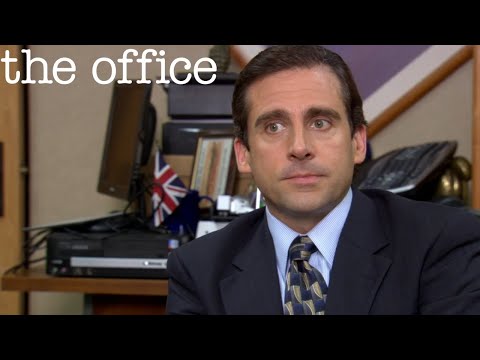

The Office Happy Moments - Good Old Days
This video compiles heartwarming and hilarious moments from the beloved TV series 'The Office'. It captures the essence of the show's humor and charm, focusing on the positive interactions and memorable antics of the Dunder Mifflin Scranton branch employees. Viewers can relive the joy and camaraderie that made the series a global phenomenon, celebrating the 'good old days' with their favorite characters. The compilation is a nostalgic journey through the series' most uplifting scenes, perfect for fans wanting to revisit the show's brighter side.Cookies & Privacy 🍪
We use cookies to improve your experience
For more information, see our Privacy Policy