Pink Floyd ~ Another Brick In The Wall 1979 Purrfection Version
Description
Do you believe that it has been 35 years since this was released? Pink Floyd began in 1965 and set about recording their ethereal and psychedelic music, becoming household names after "Dark Side Of The Moon" in 1973. By this time, Syd Barrett had left the band due to his deteriorating mental health. The band continued on releasing several concept albums, each to a ready and willing public. With the pressures of the constant touring prior to the recording of "The Wall", Roger Waters finally broke. During a Montreal concert promoting "Animals" in 1977, he admits to having spat on an audience member. It was out of this dark period that "The Wall" was conceived. "The Wall" explored the universal themes of abandonment and personal isolation, and the centrepiece song "Another Brick In The Wall (Part II) became an unexpected anthem. The song was released as an experiment by Columbia who did nothing to promote the single to see how it would fare. Based on word of mouth and radio requests, it wildly beat the industry expectations by reaching and staying at #1 for four weeks. According to Waters, the album was "an indictment of the mass crowd psychology that destroys the creativity of the artists." While putting together the song, the verses the children sang were to be used as backgrounds behind Roger and David's vocals on the song. Roger told the engineer to "do what he wants" so he filled up the 24 tracks with the recorded children doubled and doubled again. Roger realized he had something and the result made the finished kid track to be used as the vocal. Toni Tennille is credited with background vocals as is Bruce Johnston (ex Beach Boys). Did you know that Toni used to vocalize with the Beach Boys? The story goes that Daryl Dragon (The Captain) was playing keyboards for the Beach Boys, and suggested Toni be used for the touring band. Did you ever notice that drawing of the wall gets higher is short, and by the fourth side, it is so high up almost the entire label is white brick wall.
Original title
פינק פלויד - עוד לבנה בחומה 1979 גרסת Purrfection
האמינו או לא, אבל חלפו 35 שנים מאז שיצא לאור האלבום פורץ הדרך הזה. פינק פלויד, שהחלו את דרכם ב-1965 והרקיעו שחקים לאחר "Dark Side Of The Moon" ב-1973, הגיעו לנקודת שבירה עם רוג'ר ווטרס, שהובילה להולדת "החומה" בשנת 1979. אלבום הקונספט האייקוני הזה חקר את נושאי הנטישה והבידוד האישי, כש"Another Brick In The Wall (Part II)" הפך להמנון בלתי צפוי שכבש את מצעדי הפזמונים למרות חוסר קידום מצד חברת התקליטים. ווטרס תיאר את האלבום כ"כתב אישום נגד פסיכולוגיית ההמונים שמדכאת את יצירתיות האמנים". סיפורים מאחורי הקלעים חושפים את הגאונות והמקריות שאפיינו את יצירתו, כולל שירתו של מקהלת הילדים שהפכה לסמל מסחרי, ותרומות מפתיעות של אמנים כמו טוני טניל וברוס ג'ונסטון.
Video transcript
This video has no captions on YouTube.
You can generate an approximate AI transcript from the video metadata.
Related Videos
The IT Crowd - Wem die Stunde schlägt
This video features a scene from the British sitcom "The IT Crowd". The German title "Wem die Stunde schlägt" translates to "For Whom the Bell Tolls," suggesting a dramatic or significant event is unfolding. However, given the comedic nature of the show, it is likely a humorous take on such a situation, characteristic of the series' satirical wit and quirky characters.Jen phones technical support
This video depicts a common scenario where Jen reaches out to technical support for assistance. The content likely features her interaction with a support representative, detailing a technical issue she is experiencing. Viewers can expect to see the process of troubleshooting, problem identification, and a possible resolution or next steps provided by the support team. The video may also highlight challenges and frustrations often encountered when dealing with technical difficulties.16 Minutes Of MOSS Being Socially Awkward! The IT Crowd
This video compiles 16 minutes of Moss, a character from the TV show "The IT Crowd," in various socially awkward situations. Viewers can expect to see his peculiar interactions and humorous struggles with social norms. The compilation highlights his unique personality and the comedic relief he brings to the series, showcasing why he is a fan favorite.REACTING TO THE IT CROWD | Series 4 Ep: 1 Jen The Fredo
This video features a reaction to "The IT Crowd" Series 4 Episode 1, titled "Jen The Fredo." Viewers can expect to see the host's live reactions, commentary, and potentially humorous insights as they watch this classic British sitcom episode. The content will likely delve into the comedic elements and plot points of the specific episode, offering a fresh perspective or shared viewing experience for fans of the show. It's an opportunity to revisit a beloved episode through the eyes of a reactor, highlighting memorable moments and character interactions.REACTING TO THE IT CROWD | Series 1 Ep: 3 50:50
This video features a reaction to "The IT Crowd," specifically focusing on Series 1, Episode 3. The title "50:50" suggests that the reaction might be split or cover only a specific segment of the episode. Viewers can expect commentary and responses to the comedic elements and plot points of this particular installment of the popular British sitcom. The content will likely appeal to fans of the show and those interested in reaction videos.REACTING TO THE IT CROWD | Series 2 Ep: 4 The Dinner Party
In this video, the creators react to "The Dinner Party," the fourth episode of the second series of the British sitcom "The IT Crowd." Viewers can expect to see their genuine reactions, commentary, and potentially humorous observations as they watch the classic comedy unfold. This episode typically features awkward social interactions and technical mishaps, providing ample material for an entertaining reaction video. Fans of the show or those new to "The IT Crowd" will find this engaging.What Is The Funniest Show Of All Time? (The I.T Crowd Video Essay)
In the realm of British comedy, few series have managed to capture the zeitgeist with as much grotesque precision as *The IT Crowd*. Premiering on Channel 4 in 2006, the show was far more than a mere sitcom about technicians banished to a corporate basement; it was a sociological study of the cultural and class divide between those who truly understand how the modern world functions and those who simply inhabit it. Through the iconic characters of Maurice Moss, Roy Trenneman, and Jen Barber, the series transformed the most obscure concepts of the computing world into a source of universal, timeless humor. Behind the razor-sharp script stands Graham Linehan, who wrote the series with a profound understanding of "geek" culture long before it became a polished Hollywood trend. Unlike other sitcoms that occasionally underestimated their audience's intelligence, *The IT Crowd* was characterized by sophisticated writing that seamlessly blended physical farce with absurd humor and rapid-fire dialogue. Filmed before a live studio audience, the show possessed a theatrical energy that helped forge unforgettable moments—from presenting the "Internet" as a small black box to the impossible-to-remember new emergency services number. The show's cultural impact extends far beyond the small screen. It has become a symbol for the global tech community, with catchphrases like the legendary mantra "Have you tried turning it off and on again?" becoming an inseparable part of the modern lexicon. Beyond the laughter, the series offered a poignant look at office solitude, the alienation of the digital age, and the distorted human dynamics that emerge within a high-pressure work environment. This fusion of comic genius and subtle social commentary is why many consider it a leading contender for the title of the greatest and funniest comedy of all time. In this video essay, we dive deep into the show’s narrative structure, analyze the masterful comedic timing of the cast (led by Chris O'Dowd and Richard Ayoade), and examine why it has stood the test of time while its competitors faded into obscurity. We will explore the secret behind the "Basement Dweller" charm and discover why, nearly two decades after its premiere, its jokes remain more relevant, sharp, and accurate than ever before.REACTING TO THE IT CROWD | Series 1 Ep: 2 Calamity Jen
This video features a reaction to 'The IT Crowd' Series 1, Episode 2, titled 'Calamity Jen'. Viewers can expect to see the hosts' live responses and commentary as they watch this particular episode, likely highlighting humorous moments or plot points. The content will focus on their real-time engagement with the classic British comedy. It offers an entertaining way to re-experience or discover the episode through fresh eyes.REACTING TO THE IT CROWD | Series 3 Ep: 1 From Hell
This video features a creator reacting to the first episode of the third season of "The IT Crowd," titled "From Hell." Viewers can expect to see live reactions, commentary, and potentially humorous takes on the classic British sitcom. The content will likely focus on the plot developments, character interactions, and comedic elements of the episode. It offers an engaging way for fans to re-experience the show or for new viewers to get an introduction through a reactor's perspective.The IT Crowd - Kein perfektes Dinner
This video, titled "The IT Crowd - Kein perfektes Dinner," likely features a comedic scene from the popular British sitcom "The IT Crowd." The German subtitle "Kein perfektes Dinner" translates to "No Perfect Dinner," suggesting an episode or sketch where the characters attempt, and likely fail, to create an ideal meal. Viewers can expect the show's characteristic humor, probably revolving around the social awkwardness and technical ineptitude of the IT department members during a dinner setting. The clash between their personalities and the social demands of a perfect dinner is likely to be the central comedic theme.Der Alptraum-Handwerker
This video, titled "The Nightmare Handwerker," likely uncovers various scenarios involving problematic or incompetent professional craftsmen. It may highlight common pitfalls, frustrations, and perhaps even disastrous outcomes when dealing with unreliable service providers. Viewers can expect to see examples of shoddy workmanship, inflated prices, or unfulfilled promises, offering a cautionary tale for anyone looking to hire a professional. The content serves to inform and entertain through relatable, often comical, yet ultimately vexing situations.The IT Crowd FULL EPISODE! Something Happened (S4,E3)
This is a full episode from the popular British sitcom "The IT Crowd," specifically Season 4, Episode 3, titled "Something Happened." The episode likely revolves around the humorous and often awkward misadventures of the IT department employees, Roy, Jen, and Moss. Viewers can expect a plot filled with eccentric characters, witty dialogue, and a series of improbable events.The IT Crowd | Final Episode Ever | Channel 4
This video is the final episode ever of the popular British sitcom "The IT Crowd" which aired on Channel 4. The series revolves around the comedic misadventures of the IT department at the fictional Reynholm Industries. This special episode marks the conclusion of the beloved show, promising to tie up loose ends and deliver a memorable farewell to its dedicated fanbase. Viewers can expect the signature humor and eccentric characters that made the series a cult classic.The IT Crowd - Der Betriebsausflug
This video is likely a clip or an episode from the popular British sitcom "The IT Crowd". The English title "Der Betriebsausflug" suggests a German dub or subtitle, indicating the theme of a company outing. Viewers can expect to see the quirky and socially awkward IT department navigating the comedic challenges and mishaps that typically arise during such corporate events, probably featuring the main characters Jen, Roy, and Moss.Kalender Trottel
This video, titled "Kalender Trottel," likely features content related to calendars or scheduling in a humorous or perhaps even clumsy way. The German word "Trottel" translates to "idiot" or "fool," suggesting a comical take on managing time or using a calendar. Expect a lighthearted exploration of everyday calendar-related mishaps or funny situations. The video probably uses a playful tone to engage its audience.
American WATCHES - The IT Crowd Season 3 Ep.03 | DaVinci WATCH
This video features a segment from "The IT Crowd" Season 3, Episode 3, titled "American WATCHES." The content likely revolves around humor related to watches, possibly contrasting American and other cultural perspectives on timekeeping or accessories. Watchers can expect the quirky and comedic style characteristic of "The IT Crowd," centered around a watch-related scenario or joke. The reference to "DaVinci WATCH" might indicate a specific brand or a humorous play on words within the episode.
REACTING TO THE IT CROWD | Series 3 Ep: 2 Are We Not Men?
This video features a reaction to "The IT Crowd" Season 3, Episode 2, titled "Are We Not Men?". The content creator will likely watch and comment on the comedic situations and character interactions within this particular episode. Viewers can expect to see live reactions, humorous insights, and perhaps a breakdown of classic moments from the beloved British sitcom. It offers an entertaining way for fans to re-experience the episode through the eyes of another enthusiast.
REACTING TO THE IT CROWD | Series 3 Ep: 3 Tramps Like Us
In this video, content creators react to "Tramps Like Us," the third episode of the third series of the popular British sitcom, The IT Crowd. Viewers can expect to see their genuine reactions, humorous commentary, and perhaps some insightful observations on the beloved show. The episode itself likely involves the quirky IT department staff in a new, comical predicament, characteristic of the series' unique brand of humor. This reaction video offers a fresh perspective on a classic episode.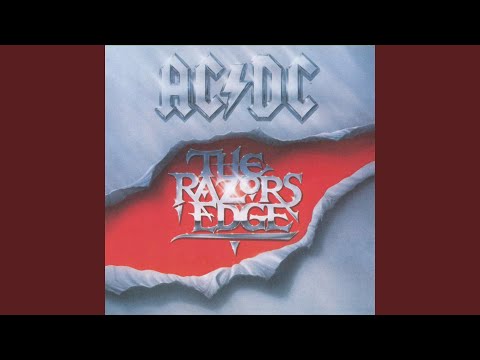
Thunderstruck
This video, titled "Thunderstruck," likely features a powerful and dramatic display of lightning and thunder. Viewers can expect to witness intense weather phenomena, possibly including close-up shots of lightning strikes or the visual and auditory impact of a severe thunderstorm. The footage aims to capture the raw energy and awe-inspiring beauty of nature's electrical storms. It will likely evoke a sense of wonder and perhaps a slight apprehension due to the power of the natural event.Cookies & Privacy 🍪
We use cookies to improve your experience
For more information, see our Privacy Policy