Michael's Second Job - The Office US
Description
At first glance, Michael Scott from *The Office* appears to be a regional manager whose entire universe revolves around the Scranton branch of Dunder Mifflin. However, in the fourth-season episode "Money," a more vulnerable and complex side of his personality is revealed when he is forced to confront a deep financial crisis. This struggle leads him to take a second job as a telemarketer for a nighttime marketing firm. This move is not merely a comedic interlude, but a window into the human dynamics of a man struggling to manage his personal life while attempting to maintain a facade of success and authority before his subordinates. Michael’s need for additional employment stemmed from a combination of reckless spending habits and the financial pressure exerted by his partner at the time, Jan Levinson. While he functions by day as a manager demanding attention and admiration, by night he becomes a small cog in a call center machine, subject to rigid protocols and a boss who has no patience for his characteristic distractions. The sharp contrast between Michael’s standards as a boss and his reality as a junior employee creates a dramatic tension that highlights the loneliness and existential struggle of the American middle class—a subject the series mastered with great nuance. From a production and screenwriting perspective, the second-job storyline is considered one of the defining moments in the development of Michael Scott, portrayed with high acclaim by Steve Carell. It is here that Carell’s ability to convey a character who is simultaneously ridiculous and deeply sympathetic is fully exposed. The fact that Michael manages to excel at telemarketing due to his natural people skills, yet fails within the rigid constraints of the call center environment, serves as a subtle critique of a corporate culture that stifles creativity and individuality. Michael’s journey into the world of night shifts ultimately ends when the mounting exhaustion begins to impact his performance at Dunder Mifflin, leading to the famous "I declare bankruptcy!" scene. These moments remain etched in the collective memory of the show's fans, not just for their witty humor, but for the way they touch upon questions of self-worth, economic survival, and the desperate human need to feel relevant and valued—even when one finds themselves at their lowest ebb.
Original title
העבודה השנייה של מייקל - המשרד (ארה"ב)
במבט ראשון, דמותו של מייקל סקוט בסדרה "המשרד" (The Office) מצטיירת כמנהל אזורי שכל עולמו סובב סביב סניף סקרנטון של חברת "דאנדר מיפלין". עם זאת, בפרק "Money" מהעונה הרביעית, נחשף פן פגיע ומורכב יותר באישיותו, כאשר הוא נאלץ להתמודד עם משבר כלכלי עמוק שהוביל אותו למצוא עבודה שנייה כנציג מכירות טלפוני בחברת שיווק לילי. המהלך הזה אינו רק אתנחתא קומית, אלא צוהר לדינמיקה האנושית של אדם שמתקשה לנהל את חייו האישיים בעודו מנסה לשמור על חזות של הצלחה וסמכות מול כפיפיו. הצורך של מייקל בעבודה נוספת נבע משילוב של הרגלי צריכה פזורים והלחץ הכלכלי שהפעילה עליו בת זוגו באותה עת, ג'אן לווינסון. בעוד שבמהלך היום הוא מתפקד כמנהל הדורש תשומת לב והערצה, בלילה הוא הופך לבורג קטן במערכת של מוקד טלפוני, כפוף להנחיות נוקשות ולמנהל שאינו סובל את הסחות הדעת האופייניות לו. הניגוד החריף בין הסטנדרטים של מייקל כבוס לבין המציאות שלו כעובד זוטר יוצר מתח דרמטי המדגיש את הבדידות והמאבק הקיומי של מעמד הביניים האמריקאי, נושא שבו הסדרה הצטיינה בטיפולו. מבחינה הפקתית ותסריטאית, קו העלילה של העבודה השנייה נחשב לאחד הרגעים המכוננים בעיצוב הדמות של מייקל סקוט, בגילומו המוערך של סטיב קארל. כאן נחשפת היכולת של קארל להעביר דמות שהיא בו זמנית מגוחכת ומעוררת חמלה. העובדה שמייקל מצליח להצטיין במכירות טלפוניות בזכות הכישרון הטבעי שלו עם אנשים, אך נכשל לעשות זאת במסגרת המגבלות של המוקד, משמשת כביקורת סמויה על תרבות התאגידים המדכאת יצירתיות ואינדיבידואליות. המסע של מייקל בעבודה הלילית מסתיים בסופו של דבר כאשר העייפות המצטברת מתחילה לפגוע בתפקודו ב"דאנדר מיפלין", מה שמוביל לסצנת ה"הכרזה על פשיטת רגל" המפורסמת. רגעים אלו נותרו חקוקים בזיכרון הקולקטיבי של מעריצי הסדרה לא רק בגלל ההומור השנון, אלא בגלל האופן שבו הם נוגעים בשאלות של ערך עצמי, הישרדות כלכלית והצורך הנואש של כל אדם להרגיש רלוונטי ומוערך, גם כשהוא מוצא את עצמו בנקודת השפל הנמוכה ביותר שלו.
Video transcript
This video has no captions on YouTube.
You can generate an approximate AI transcript from the video metadata.
Related Videos
Michael Scott Deleted Scenes That Shouldn't Have Been Cut
This video showcases a compilation of deleted scenes featuring Michael Scott from the iconic TV show "The Office." These scenes, for various reasons, didn't make the final cut but offer additional comedic moments and insights into Michael's character. Fans of the show will appreciate these rare and often hilarious glimpses into the world of Dunder Mifflin. It's a treat for anyone who wishes there was even more of Michael Scott to enjoy.First Time Watching The Office Season 5 | This Season Is INSANE 😂
This video captures a first-time viewer's reaction to Season 5 of "The Office." The creator shares their genuine, unfiltered thoughts and feelings as they experience the humor, drama, and iconic moments of the season for the very first time. Expect an entertaining commentary filled with laughter, surprise, and perhaps some emotional responses as they discover why this season is considered "insane."The Office Series Finale!
This video is dedicated to the series finale of "The Office." It will likely explore the emotional farewell, the resolution of character storylines, and the impact of the show's ending on its loyal fanbase. Viewers can expect a thorough recap and analysis of the final episode's key moments. The video might also delve into the legacy of "The Office" and its cultural significance.The Office Season 9 Episode 24 & 25 'A.A.R.M Part 1 & 2' First Time Reaction
This video captures a first-time reaction to The Office Season 9, Episodes 24 and 25, titled 'A.A.R.M. Part 1 & 2'. Viewers will experience the raw, authentic emotions of someone watching these pivotal final episodes for the very first time. The reaction likely includes anticipation, laughter, and perhaps tears as the beloved series draws to a close. This is a must-watch for fans who want to relive the magic or see a fresh perspective on the iconic finale.The Office Season 9 Episode 22 'Living The Dream Part 1' First Time Reaction
This video captures a first-time reaction to "Living The Dream Part 1," the twenty-second episode of the ninth season of the beloved comedy series, The Office. Viewers will experience the unfolding of events through fresh eyes, sharing in the genuine emotions and humor as the reactor watches this pivotal episode. Anticipate an authentic and engaging response to the Dunder Mifflin Scranton branch's latest antics and character developments. This reaction promises to be a delightful watch for fans eager to relive the magic or see it anew through someone else's perspective.The Office Season 9 Episode 23 'Living The Dream Part 2' First Time Reaction
This video features a first-time reaction to "Living The Dream Part 2," the 23rd episode of the ninth season of the popular TV show, The Office. The reactor watches the episode for the very first time, offering their live, unedited thoughts and emotions as the events of the episode unfold. Viewers can expect to share in the excitement, surprise, and humor of experiencing this significant episode of The Office through fresh eyes. This reaction video is perfect for fans of The Office who want to relive the magic of the show or see how a new viewer experiences this pivotal moment.The Office Season 9 Episode 21 'Paper Airplane' First Time Reaction *Re-Upload*
This video features a first-time reaction to The Office Season 9, Episode 21, titled 'Paper Airplane'. The creator is re-uploading their initial reaction video to this particular episode. Viewers can expect to see genuine, unscripted responses as the person watches this penultimate episode of the beloved comedy series for the very first time. It's an opportunity to relive the humor and emotional moments of 'Paper Airplane' through fresh eyes.How Andy Won In the End - The Office US
This video explores the character arc of Andy Bernard from The Office (US) and how he ultimately found success and happiness. It analyzes his journey, highlighting key moments and decisions that led to his triumphant ending. The video aims to provide a comprehensive look at Andy's development throughout the series and why his conclusion is considered a victory.The Office Season 9 Episode 19 'Promos' First Time Reaction
This video captures a first-time reaction to "Promos," the 19th episode of the 9th season of the beloved TV series, The Office. Viewers will experience the genuine, unscripted responses of someone watching the episode unfold for the very first time. Expect to see their immediate thoughts, emotions, and perhaps some humorous insights as they react to the Dunder Mifflin crew's latest antics. This reaction video offers a fresh perspective on a classic episode, making it enjoyable for both new and long-time fans.The Office Season 9 Episode 17 'Moving on Part 2' First Time Reaction
This video captures a first-time reaction to "Moving On Part 2," the 17th episode of the 9th season of The Office. Viewers can expect to see genuine, unscripted responses as the individual experiences the plot twists and character developments of this particular episode for the very first time. The content focuses purely on the immediate emotional and analytical reactions to the episode without prior knowledge or spoilers. It offers an authentic perspective on how a new viewer engages with this significant installment of the beloved comedy series. This reaction video provides a fresh look at familiar scenes through the eyes of a new audience member.The Office BUT it's just at Michael's Condo
This video compiles all the scenes from the hit TV show "The Office" that take place exclusively at Michael Scott's condominium. Experience the cringeworthy humor, awkward social interactions, and surprisingly tender moments that unfold within the confines of Michael's personal space. This unique compilation offers a fresh perspective on his character and his relationships with his Dunder Mifflin colleagues outside the office environment.The Office Season 9 Episode 14 'Vandalism' First Time Reaction
This video captures a first-time reaction to "Vandalism," the fourteenth episode of the ninth season of the popular TV show, The Office. Viewers can expect to see candid and spontaneous responses to the episode's plot points, character interactions, and comedic moments. Watching someone experience this episode for the first time offers a fresh perspective on a classic show. It's an engaging watch for both new fans and long-time enthusiasts of The Office.
The Office Season 9 Episode 13 'Junior Salesman' First Time Reaction
This video captures a first-time reaction to The Office Season 9, Episode 13, titled "Junior Salesman." Viewers can expect to see genuine, unscripted responses and emotions as the individual experiences the episode's plot twists and comedic moments for the first time. The reaction will likely delve into character interactions, plot developments, and overall impressions of this particular installment in the final season of the beloved sitcom. It offers an authentic perspective for fans who enjoy reliving the show through fresh eyes or those curious about initial viewer experiences.
Regional Managers RANKED By INSANITY - The Office US
This video ranks the regional managers from the US version of The Office based on their level of insanity. It delves into the quirky, eccentric, and sometimes outright bizarre behaviors exhibited by characters like Michael Scott, Dwight Schrute, and others. Viewers can expect a humorous breakdown of their most memorable and deranged moments in leadership.
SUPERFAN Cold Opens every fan Must See - The Office US
This video compiles some of the most memorable cold open scenes from "The Office US", hand-picked by a superfan. Viewers can expect a humorous journey through Scranton, showcasing the beloved characters and their iconic antics before the show's opening credits. It's a must-see for anyone who appreciates the unique humor and charm of the Dunder Mifflin crew. Relive the laughter and genius of these classic moments that set the tone for countless episodes.
The Target DELETED Cold Open | A Peacock Extra | The Office Superfan Season 9
This video features a deleted cold open from "The Office Superfan Season 9" titled "The Target DELETED Cold Open." As a Peacock Extra, it offers exclusive unseen content from the popular series. Fans can expect a humorous and characteristic opening scene that likely involves the familiar antics of the Dunder Mifflin Scranton branch.
The Office Season 9 Episode 10 'Lice' First Time Reaction
This video captures a first-time reaction to "Lice," the tenth episode of the ninth season of the popular TV show "The Office." Viewers can expect to see genuine, unfiltered responses as the reactor experiences the comedic and dramatic moments of the episode for the first time. The reaction provides a fresh perspective on a classic episode, highlighting its key plot points and character interactions through the eyes of a new viewer. It's an entertaining watch for fans of "The Office" who want to relive the humor and absurdity of the series finale season.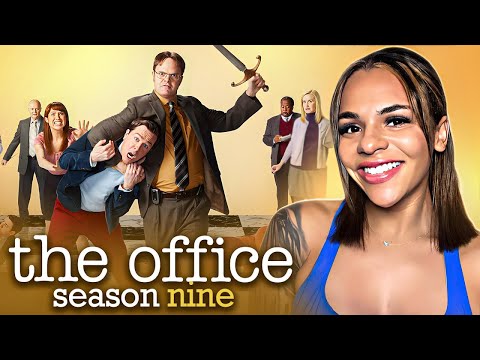
The Office Season 9 Episode 11 'Suit Warehouse' First Time Reaction
This video features a first-time reaction to 'Suit Warehouse,' the eleventh episode of the ninth season of the popular TV show, The Office. Viewers can expect to see genuine, unscripted responses and commentary from someone experiencing the episode's humor and storylines for the very first time. This reaction video offers a fresh perspective on the well-loved series, capturing the immediate emotional responses to the events unfolding on screen. It provides an entertaining way to revisit the episode through someone else's initial impressions.
The Office Season 9 Episode 12 'Customer Loyalty' First Time Reaction
This video captures a first-time reaction to The Office Season 9, Episode 12, titled 'Customer Loyalty'. Viewers can expect to see genuine, unscripted responses as the individual watches the episode for the very first time. The content will likely focus on key plot points, character developments, and comedic moments within this particular installment of the beloved series. It offers a fresh perspective for fans who have already seen the episode, or an entertaining companion for those watching along.
Why is everyone Bullying Creed? | Season 9 SUPERFAN Deleted Scene | A Peacock Extra - The Office
This deleted scene from The Office, Season 9, titled "Why is everyone Bullying Creed?", offers a glimpse into the ongoing, often humorous, mistreatment of Creed Bratton by his Dunder Mifflin colleagues. As an exclusive Peacock Extra, this clip likely provides further context or a standalone moment showcasing the unique dynamic of Creed within the office environment. Viewers can expect to see more of the dry wit and peculiar interactions that characterize the beloved character. The scene presumably highlights how the other employees playfully torment him, revealing their comical interactions and Creed's unusual responses.Cookies & Privacy 🍪
We use cookies to improve your experience
For more information, see our Privacy Policy