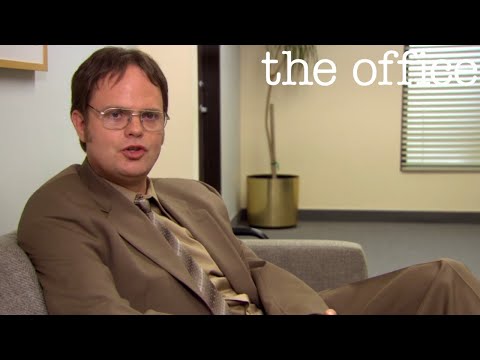
Dwight falls over
Description
The documented moment of Dwight’s fall serves as a fascinating case study in the analysis of human behavior under conditions of stress and physiological extremes. What appears at first glance to be a simple physical event reveals itself, upon closer examination, to be a sequence of biomechanical failures and instinctive reactions. In this footage, one can observe how human equilibrium—a complex system relying on the inner ear and muscle cell receptors—collapses in a single moment of lapsed concentration or due to an unforeseen obstacle, leading to a total loss of control over the center of gravity. From both a historical and physical perspective, falls of this nature have long been subjects of research in the fields of kinesiology and safety. Newton’s Second Law manifests here with full force: the downward acceleration of the body, combined with Dwight’s mass, creates an impact force that must be absorbed by the ground. The recording offers a rare glimpse into the "critical moment"—that split second where the brain realizes the body is no longer upright, yet the nervous system fails to send signals fast enough to arrest the inevitable descent. Beyond the physical aspect, the event carries broader cultural and psychological significance. At the moment of the fall, Dwight loses his outer veneer of control and authority, exposed in his most primal vulnerability. Behavioral experts suggest that such recordings evoke a mixture of empathy and amusement in viewers, rooted in a human identification with the sheer helplessness felt against the force of gravity. It serves as a stark reminder that even the most determined and stable figures are subject to the most unforgiving laws of our natural world.
Original title
דווייט נופל
הרגע המתועד של נפילתו של דווייט מהווה נקודת בוחן מרתקת בניתוח התנהגות אנושית תחת תנאי לחץ וקיצון. מה שנראה במבט ראשון כאירוע פיזי פשוט, מתגלה בבחינה מעמיקה כרצף של כשלים ביו-מכניים ותגובות אינסטינקטיביות. בתיעוד זה ניתן לראות כיצד שיווי המשקל האנושי, מערכת מורכבת המסתמכת על האוזן התיכונה ועל קולטנים בתאי השריר, קורסת ברגע אחד של חוסר ריכוז או מכשול בלתי צפוי, מה שמוביל לאובדן שליטה מוחלט על מרכז הכובד. מבחינה היסטורית ופיזיקלית, נפילות מסוג זה הן מושא למחקר ארוך שנים בתחומי הקינסיולוגיה והבטיחות. החוק השני של ניוטון נכנס כאן לפעולה במלוא עוצמתו: התאוצה של הגוף כלפי מטה, בשילוב עם המסה של דווייט, יוצרת כוח אימפקט שחייב להיספג בקרקע. התיעוד מציע הצצה נדירה ל"רגע הקריטי" – אותה שניה שבה המוח מבין שהגוף כבר אינו במצב זקוף, אך מערכת העצבים אינה מצליחה לשלוח אותות מהירים מספיק כדי לבלום את הנפילה הבלתי נמנעת. מעבר להיבט הפיזי, האירוע נושא עמו משמעות תרבותית ופסיכולוגית רחבה. ברגע הנפילה, דווייט מאבד את המעטפת החיצונית של שליטה וסמכותיות, ונחשף בפגיעותו הבסיסית ביותר. מומחים להתנהגות מצביעים על כך שתיעודים כאלו מעוררים בקרב הצופים תערובת של אמפתיה ושעשוע, הנובעת מהזיהוי האנושי עם חוסר האונים מול כוח המשיכה. זהו תזכורת לכך שגם הדמויות הנחושות והיציבות ביותר כפופות לחוקי הטבע הנוקשים ביותר של עולמנו.
Video transcript
This video has no captions on YouTube.
You can generate an approximate AI transcript from the video metadata.
Related Videos

The Office Wedding Dance - The Office
This video features the memorable wedding dance from the beloved TV show "The Office." It showcases the unique and humorous choreography performed by the cast during a wedding celebration. Fans of the series will recognize the iconic characters and their quirky moves in this fan-favorite scene. The clip captures the joyous and unconventional spirit of the show's characters as they celebrate a special day.Dwight Schrute: Office Protector - The Office US
The character of Dwight Kurt Schrute, portrayed masterfully by Rainn Wilson, stands as one of the central pillars of the mockumentary sitcom *The Office*. Beyond being a top-performing salesman and a passionate beet farmer, Dwight defines himself as the unofficial security officer of the Dunder Mifflin Scranton branch. His worldview—a blend of rigid discipline, a reverence for authority, and a healthy dose of paranoia—renders him the most determined protector the office has ever known, even if none of his colleagues ever actually requested his protection. Dwight’s ethos as the office's guardian is built upon a unique combination of his training as a volunteer sheriff’s deputy, his expertise in martial arts, and his maintenance of a arsenal of improvised weapons stashed throughout the workspace. Whether it is a fire safety drill that spirals into absolute chaos or his persistent attempts to infiltrate the branch’s digital security system, Dwight operates from a deep sense of mission. To him, the office is not merely a workplace; it is a battlefield where he must shield assets and personnel from intruders, fire, and even internal negligence. The humor inherent in his role as protector stems from the perpetual gap between his grave seriousness and the absurdity of everyday situations. Although his coworkers, particularly Jim Halpert, tend to mock his efforts and turn them into the focal point of elaborate pranks, Dwight’s character reveals an uncompromising loyalty. Throughout the seasons, "The Protector" evolves into a complex figure whose rigid exterior hides a profound desire for recognition and acceptance. This perspective examines the most iconic moments in which Dwight assumed the mantle of guardian, demonstrating how his character became a symbol of extreme—and hilariously absurd—devotion in television history.The Office Happy Moments - Good Old Days
This video compiles heartwarming and hilarious moments from the beloved TV series 'The Office'. It captures the essence of the show's humor and charm, focusing on the positive interactions and memorable antics of the Dunder Mifflin Scranton branch employees. Viewers can relive the joy and camaraderie that made the series a global phenomenon, celebrating the 'good old days' with their favorite characters. The compilation is a nostalgic journey through the series' most uplifting scenes, perfect for fans wanting to revisit the show's brighter side.
Ed Helms' Childhood Bullies Inspired His Catchphrase On 'The Office'
Ed Helms, known for his role as Andy Bernard on the hit show 'The Office,' reveals the surprising inspiration behind one of his character's iconic catchphrases. He shares how his childhood bullies inadvertently contributed to the famous line. This anecdote offers a unique and personal insight into the creative process and the unexpected sources of comedic material.




The Office S04E11 Survivor Man | Season 4 Episode 11 | #TheOffice TV Series Episode Review
In the 11th episode of the fourth season, "Survivor Man," *The Office* steps beyond the familiar confines of the Scranton workspace for a journey of psychological and comedic survival. The plot centers on Michael Scott, who, feeling slighted after being excluded from a management camping trip, decides to prove his wilderness skills by venturing into a two-day "seclusion" in the Pennsylvania wilds. Equipped only with a knife and a pile of clothes he fashions himself, Michael’s self-imposed trial becomes a masterclass in extreme lack of self-awareness. Meanwhile, Dwight Schrute tracks him from a distance as a covert guardian, highlighting the complex dynamics of dependency and loyalty between the two. While the drama unfolds in the woods, the office experiences its own administrative upheaval under the leadership of Jim Halpert. In an attempt to streamline the office's social life, Jim decides to consolidate all of the month's staff birthdays into one singular celebration. What initially appears to be a logical and efficient move quickly devolves into a political minefield, exposing the inherent difficulty of managing a team of individuals with conflicting demands. Jim’s conflict serves as an instructive lesson in leadership, demonstrating that sometimes the most "sensible" decisions are the ones that spark the fiercest resistance from employees. From a production and writing standpoint, the episode is considered a milestone of the fourth season for the way it weaves slapstick humor with profound emotional insights. Directed by Paul Feig and written by Steve Carell himself, the episode carries a personal touch. Beyond the laughter, "Survivor Man" touches on themes of loneliness, the deep-seated need for social validation, and the gap between self-perception and reality. In its closing moments, the encounter between Michael and Jim provides a rare beat of sincerity, where Michael—despite all his flaws—reveals that he understands the heavy burden of management far better than Jim ever imagined. The episode earned praise for its ability to pull characters out of their comfort zones without losing the series' unique identity. The juxtaposition of Pennsylvania's scenic natural landscapes against the mundanity of the conference room creates a visual contrast that underscores the absurdity of Michael’s attempt to connect with his "wild side." For fans and television scholars alike, the episode remains a fascinating case study in office hierarchy, the psychology of leadership, and the wondrous human capacity to turn even the simplest situation into total chaos.Cookies & Privacy 🍪
We use cookies to improve your experience
For more information, see our Privacy Policy