Two Years of James Webb: Are We Alone in the Universe
Description
We mark two years since the historic launch of the James Webb Space Telescope (JWST), one of the most complex and impressive feats of engineering in human history. Since its launch in late 2021 and its deployment at the L2 Lagrange point—some 1.5 million kilometers from Earth—Webb has opened an unprecedented window into the cosmos. In the second chapter of our special series, we dive deep into one of the most profound existential questions to ever haunt mankind: Are we alone in the universe? Unlike its predecessors, James Webb is equipped with powerful infrared sensors that allow it to "peer" through clouds of cosmic dust and analyze the chemical composition of atmospheres with unparalleled precision. The telescope focuses on the study of exoplanets, particularly those located in the "habitable zone"—the orbital "sweet spot" at a distance from their sun that allows for the existence of liquid water. Using advanced spectroscopy, Webb searches for "biosignatures": gases such as methane, carbon dioxide, and water vapor that may indicate the presence of life or the conditions necessary to sustain it. One of the most sensational discoveries we will discuss is Webb’s ability to characterize the TRAPPIST-1 system, which contains seven Earth-sized planets, and determine whether they possess atmospheres capable of supporting biology. The telescope is far more than just a cosmic photographer; it functions as a "time machine," allowing us to observe how galaxies and solar systems formed, thereby helping us understand the very processes that led to the emergence of life here at home. Every byte of data transmitted back from Webb brings us closer to understanding whether Earth is a lonely island of life in a desolate ocean, or if the universe is teeming with life forms yet to be discovered. Join us on a fascinating journey through distant stars, groundbreaking scientific discoveries, and the big questions occupying the world’s leading astrophysicists. This episode explores the thin line between science fiction and the new reality the James Webb Space Telescope is revealing, as we strive to find out if the answer to the oldest question of all is waiting just around the corner.
Original title
שנתיים לג'יימס ווב, פרק 2: האם אנחנו לבד ביקום
אנו מציינים שנתיים לשיגורו ההיסטורי של טלסקופ החלל ג'יימס ווב (JWST), אחת היצירות ההנדסיות המורכבות והמרשימות ביותר שידעה האנושות. מאז ששוגר בשלהי שנת 2021 והתמקם בנקודת הלגראנז' L2 המרוחקת כמיליון וחצי קילומטרים מכדור הארץ, ווב פתח עבורנו צוהר חסר תקדים ליקום. בפרק השני של הסדרה המיוחדת שלנו, אנו צוללים עמוק אל תוך אחת השאלות הקיומיות והמסקרנות ביותר שמלוות את המין האנושי מאז ומעולם: האם אנחנו לבד ביקום? בניגוד לקודמיו, ג'יימס ווב מצויד בחיישני אינפרא-אדום עוצמתיים המאפשרים לו "להציץ" דרך ענני אבק קוסמי ולנתח את ההרכב הכימי של אטמוספירות במימדים שלא הכרנו. הטלסקופ מתמקד בחקר כוכבי לכת חוץ-שמשיים (אקזופלנטות), ובמיוחד באלו הנמצאים ב"אזור הישיב" – המרחק המושלם מהשמש שלהם המאפשר קיום של מים נוזליים. בעזרת טכנולוגיית ספקטרוסקופיה מתקדמת, ווב מחפש "חתימות ביולוגיות": גזים כמו מתאן, פחמן דו-חמצני ואדי מים, שעשויים להעיד על קיומם של חיים או על תנאים המאפשרים אותם. אחת התגליות המרעישות ביותר שנדון בהן היא היכולת של ווב לאפיין את מערכת TRAPPIST-1, המכילה שבעה כוכבי לכת דמויי ארץ, ולבדוק האם הם מחזיקים באטמוספירה שתומכת בביולוגיה. הטלסקופ אינו רק צלם קוסמי; הוא מתפקד כ"מכונת זמן" המאפשרת לנו לראות כיצד גלקסיות ומערכות שמש נוצרו, ובכך להבין את התהליכים שהובילו להיווצרות החיים כאן אצלנו. כל פיסת מידע שחוזרת מווב מקרבת אותנו להבנה האם כדור הארץ הוא אי של חיים בתוך אוקיינוס של שממה, או שמא היקום שוקק צורות חיים שטרם גילינו. הצטרפו אלינו למסע מרתק בין כוכבים רחוקים, תגליות מדעיות פורצות דרך והשאלות הגדולות שמעסיקות את בכירי האסטרופיזיקאים בעולם. הפרק בוחן את הגבול הדק שבין מדע בדיוני לבין המציאות החדשה שטלסקופ ג'יימס ווב חושף בפנינו, במטרה לגלות האם התשובה לשאלה העתיקה מכולם נמצאת ממש מעבר לפינה.
תמלול הסרטון
לסרטון זה אין כתוביות זמינות ביוטיוב.
ניתן ליצור תמלול מקורב באמצעות AI על בסיס פרטי הסרטון.
Related Videos
Are We Alone in the Universe? | 60 Minutes Anthology
A comprehensive documentary anthology from the iconic 60 Minutes news magazine, addressing the most profound question humanity has ever asked: are we alone in the entire universe? The anthology brings together segments produced over the years on the topic — including in-depth interviews with NASA astronomers, SETI scientists searching for extraterrestrial signals, and modern UFO whistleblowers willing to expose what governments are hiding from us about cosmic visitors arriving on Earth.
Are We Alone? The Search for Life in the Universe
A high-quality scientific documentary that systematically traces humanity's modern search for life in the universe. The film follows leading astrobiology missions — from the search for signs of life on Mars and Saturn's moon Titan, through the examination of distant exoplanets in the habitable zones of their parent stars, to the systematic listening efforts for radio signals coming from advanced extraterrestrial civilizations from across our home Milky Way galaxy and beyond.
Are We Alone in the Universe? | Alien Life Documentary
A spectacular and ambitious documentary attempting to answer the cosmic question of all questions about extraterrestrial life. The film integrates the latest discoveries from advanced fields — modern astronomy, theoretical astrobiology, exoplanet research and SETI — and presents a wide range of leading experts who provide differing perspectives on the chances of intelligent extraterrestrial life existing in the universe, the rationale of the famous Drake equation, and ways to potentially make first contact in coming decades.
Are We Alone in the Universe? SETI's Simon Steel
An exclusive in-depth interview with Dr. Simon Steel, one of SETI's leading scientists searching for intelligent extraterrestrial life. Steel reveals the most exciting findings of recent years from the most advanced search programs, the new technological tools allowing scanning of millions of stars per night, and his personal opinion regarding the realistic probability of humanity making first contact with an alien intelligent civilization in our generation.
The Hunt for Extraterrestrial Life: Are We Alone in the Universe?
An exciting documentary exploring the global "hunt" for extraterrestrial life — the systematic and well-funded scientific effort spanning the entire planet to discover that we are not alone in the universe. The film presents the most advanced telescopes ever built, the new ground and space-based observatories, the ambitious satellite missions to find planets capable of hosting life, and dramatic interviews with the leading hunters in the field including senior researchers from NASA, the ESA and SETI.
Are We Really Alone? The Search for Alien Life in the Universe
An advanced documentary that radically challenges the conventional view that humanity is uniquely alone in the universe. The film presents the latest discoveries supporting the assertion that life is widely distributed across the entire cosmos — from the discovery of "extremophile" organisms in extreme conditions on Earth, through the discovery of organic chemicals on distant comets, to the discovery of new exoplanets in the habitable zones of their parent stars on a daily basis throughout our home Milky Way galaxy and beyond.
Are We Truly Alone In The Universe? | Episode 1
The first opening episode of an excellent and sweeping new documentary series addressing the great philosophical and scientific question: are we truly alone in the universe? The opening episode lays the broad theoretical framework for the entire series, dramatically presents the latest scientific evidence pointing toward the existence of additional life in the cosmos, and prepares viewers for an in-depth journey across all the galaxies and stars in our universe in subsequent episodes of the spectacular series.
Horizon: Are We Alone in the Universe? | BBC Studios
A high-quality classic episode of Horizon, the science magazine of legendary BBC Studios, addressing the eternal question of cosmic loneliness. The episode features in-depth interviews with the world's leading astrobiologists, presents groundbreaking scientific experiments such as a search for biological signatures in the atmospheres of distant exoplanets, and provides a balanced and intelligent treatment of all the philosophical, scientific and ethical implications of the historic discovery of life beyond Earth.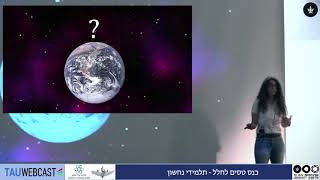
Are we alone in the universe
Are we alone in the universe? This remains one of the oldest and most captivating questions in human history, occupying the minds of scientists, philosophers, and dreamers for generations. This video, produced by Dana Bar, a 9th-grade student at "Ben Gurion" School in Ness Ziona, was created as part of the fascinating "Nachshon" program at Tel Aviv University. On May 27, 2019, students in the program embarked on a virtual and intellectual journey beyond the boundaries of Earth, seeking to understand our place in the vast cosmos. The search for extraterrestrial intelligence is no longer confined to the pages of science fiction. With the advancement of technology, projects such as SETI (the Search for Extraterrestrial Intelligence) and the deployment of advanced space telescopes like the James Webb allow us to scan distant planets in other solar systems for biosignatures. Scientists estimate that in the Milky Way galaxy alone, there are billions of planets with Earth-like characteristics, raising the statistical probability that we are not alone. Through the Nachshon program, students are exposed to the scientific and technological challenges involved in deep-space exploration—from the extreme conditions of vacuum and radiation to the possibility of life on frozen moons like Jupiter's Europa or Saturn's Enceladus. The project highlights how Israel's younger generation of researchers is taking an active role in the global scientific discourse, blending natural curiosity with the academic research tools provided by Tel Aviv University. This video offers a unique perspective from young minds on the greatest mystery of all. Will we ever find definitive proof of life elsewhere? And if so, how would it change everything we know about ourselves? Join the Nachshon students on their journey toward the unknown, where the line between reality and imagination blurs against the infinite backdrop of outer space.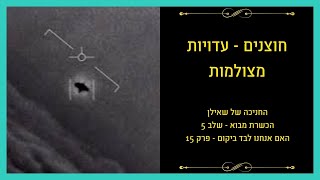
Are We Alone: Captured Footage
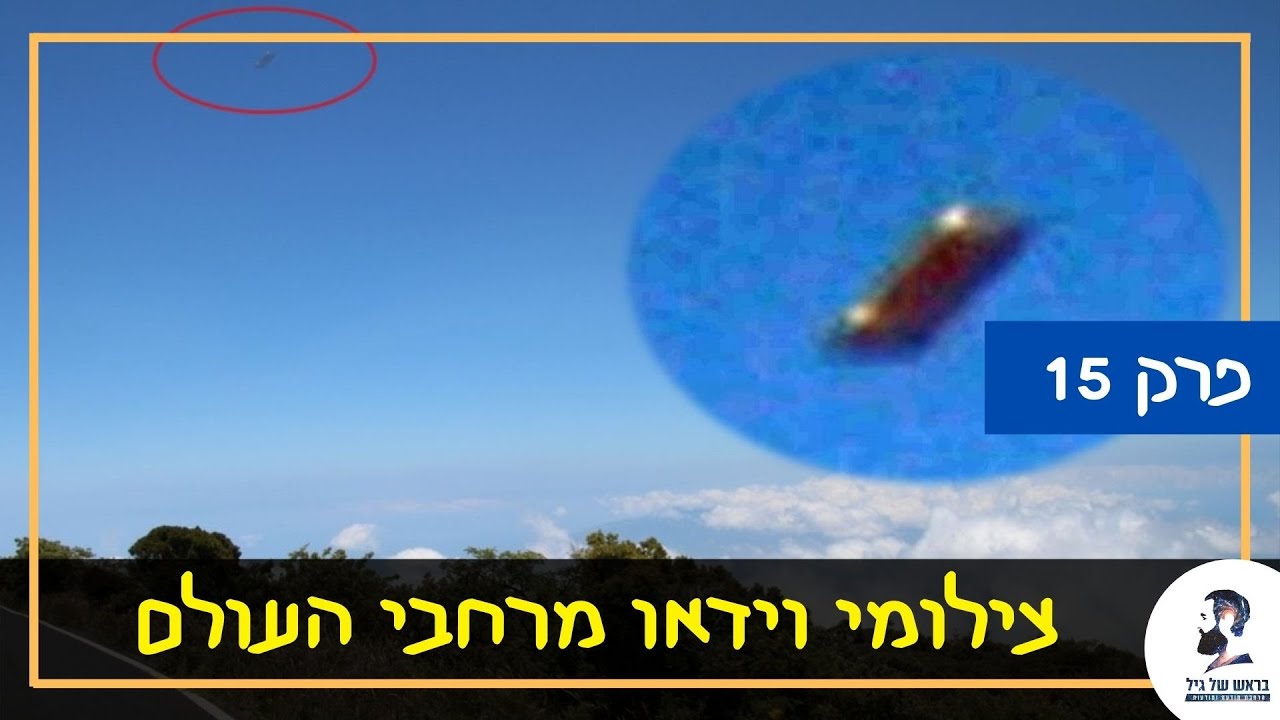
In the 15th episode of the captivating series "Are We Alone in the Universe," we dive into one of the most controversial and intriguing topics in human history: the visual documentation of Unidentified Flying Objects (UFOs). Throughout the decades, from the infamous Roswell incident to recent Pentagon disclosures, thousands of photographic records have accumulated—ranging from blurry images of "flying saucers" to military radar footage showcasing technology that challenges the known laws of physics. The episode takes an in-depth look at the evolution of visual evidence in the digital age. In an era where everyone carries a high-quality camera in their pocket, one might expect definitive proof, but reality is far more complex. We examine the difficulty of distinguishing between natural atmospheric phenomena, secret experimental aircraft, and objects that appear to exhibit impossible maneuvering capabilities. Is the footage released by U.S. Navy pilots—such as the famous "Tic Tac" videos—the "smoking gun" we’ve been waiting for, or merely a sophisticated optical illusion? Beyond the technical analysis of the footage, the episode raises profound philosophical and scientific questions. If these images truly document visits from extraterrestrial civilizations, what are the implications for our place in the universe? Experts featured in the episode analyze the dynamic between government secrecy and the public demand for transparency, explaining why the scientific and political establishments are finally beginning to treat the UFO phenomenon with unprecedented seriousness. Join us on a journey following the most compelling visual evidence, utilizing forensic analysis of historical and contemporary photos and videos. This is a must-watch episode for anyone who has ever wondered if the lights flickering in the night sky are just stars, or if someone up there is looking back at us. Are we on the verge of a discovery that will change humanity forever? The answers may be right before our eyes, captured on film or etched onto a digital sensor.



Cookies & Privacy 🍪
We use cookies to improve your experience
For more information, see our Privacy Policy