The atomic bomb that changed history
Description
On August 6, 1945, the world changed forever. At 8:15 AM, the "Enola Gay" dropped history's first atomic bomb, "Little Boy," on the Japanese city of Hiroshima. Three days later, a second bomb, "Fat Man," was dropped on Nagasaki. These attacks brought an immediate end to World War II, but the human and moral toll was unprecedented: hundreds of thousands of lives lost, the total eradication of entire cities, and the long-term effects of radioactive fallout that continue to haunt survivors to this day. The bomb’s development was the culmination of the secret "Manhattan Project," a technological arms race against time and Nazi Germany. Leading the project was physicist J. Robert Oppenheimer, who famously quoted the Bhagavad Gita: "Now I am become Death, the destroyer of worlds." The project did more than just create a lethal weapon; it ushered in a new geopolitical era—the Cold War—where a nuclear "balance of terror" prevented direct confrontation between superpowers while placing humanity under a constant threat of annihilation. Today, nearly eight decades after the disaster in Japan, a haunting question lingers in the heart of the international community: Are we nearing the use of nuclear weapons once again? In an era of escalating tensions between Russia and the West, threats from North Korea, and the Iranian nuclear race, experts warn that the nuclear taboo is eroding. Arms control treaties are collapsing, and many nations are investing in the renewal and modernization of their nuclear arsenals, raising fears that a tactical error or uncontrolled escalation could once again lead to scenes we thought were relegated to history books. This video from "Kan News" dives deep into the historical events that shaped the 20th century, examines the moral dilemmas of the decision-makers in the White House at the time, and analyzes the alarming state of affairs today. It is the story of a monumental invention of the human mind that became the greatest existential threat to civilization, and of the world's desperate attempt to prevent history from repeating itself.
Original title
פצצת האטום ששינתה את ההיסטוריה - ומה הסיכוי להפצצה גרעינית נוספת?
ב-6 באוגוסט 1945, העולם השתנה לעד. בשעה 08:15 בבוקר, מטוס ה-"אנולה גיי" הטיל את פצצת האטום הראשונה בהיסטוריה, "ילד קטן", על העיר היפנית הירושימה. שלושה ימים לאחר מכן, הוטלה פצצה נוספת, "איש שמן", על נגסאקי. המתקפות הללו הביאו לסיומה המיידי של מלחמת העולם השנייה, אך המחיר האנושי והמוסרי היה חסר תקדים: מאות אלפי הרוגים, הרס מוחלט של ערים שלמות והשפעות ארוכות טווח של קרינה רדיואקטיבית המלוות את הניצולים עד היום. פיתוח הפצצה היה שיאו של "פרויקט מנהטן" הסודי, מרוץ חימוש טכנולוגי נגד הזמן ונגד גרמניה הנאצית. בראש הפרויקט עמד הפיזיקאי ג'יי רוברט אופנהיימר, שטבע את המשפט המפורסם מהבהגוואד גיטה: "כעת הפכתי למוות, משמיד העולמות". הפרויקט לא רק יצר נשק קטלני, אל פתח עידן גיאופוליטי חדש – "המלחמה הקרה" – שבו מאזן האימה הגרעיני מנע עימותים חזיתיים בין מעצמות, אך הציב את האנושות תחת איום מתמיד של השמדה. כיום, כמעט שמונה עשורים לאחר האסון ביפן, השאלה המנקרת בלב הקהילה הבינלאומית היא: האם אנו קרובים לשימוש חוזר בנשק גרעיני? בעידן של מתיחויות גוברות בין רוסיה למערב, איומים מצד צפון קוריאה והמרוץ האיראני לגרעין, המומחים מזהירים כי הטאבו הגרעיני נשחק. הסכמים לבקרת נשק קורסים, ומדינות רבות משקיעות בחידוש ובמודרניזציה של הארסנל הגרעיני שלהן, מה שמעלה את החשש שמא טעות טקטית או הסלמה בלתי מבוקרת יובילו שוב למראות שחשבנו שנותרו רק בספרי ההיסטוריה. הסרטון של "כאן חדשות" צולל אל עומק האירועים ההיסטוריים שעיצבו את המאה ה-20, בוחן את הדילמות המוסריות של מקבלי ההחלטות בבית הלבן דאז, ומנתח את תמונת המצב המדאיגה של ימינו. זהו סיפור על המצאה כבירה של המוח האנושי שהפכה לאיום הקיומי הגדול ביותר על הציוויליזציה, ועל הניסיון הנואש של העולם למנוע מההיסטוריה לחזור על עצמה.
תמלול הסרטון
לסרטון זה אין כתוביות זמינות ביוטיוב.
ניתן ליצור תמלול מקורב באמצעות AI על בסיס פרטי הסרטון.
Related Videos
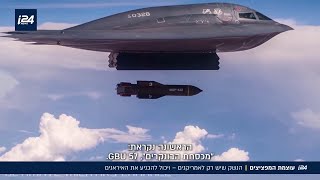
The Weapon Only the Americans Have - and Can Subdue the Iranians
The Israeli Air Force is widely regarded as one of the finest and most advanced in the world, manned by pilots with extensive operational experience and equipped with cutting-edge technology. However, when examining the Iranian nuclear challenge—a project scattered across sites fortified deep underground and located thousands of kilometers away—a pressing question arises: why does Israel still require American military capabilities to permanently eliminate the threat? The answer lies not merely in the number of aircraft, but in complex logistics and, most importantly, one specific and lethal weapon found exclusively in Uncle Sam's arsenal. This technological "monster" is known as the MOP (Massive Ordnance Penetrator)—a bunker-busting bomb weighing approximately 14 tons of steel and explosives. This munition was designed specifically to tackle sites like Fordow, an enrichment facility nestled in the belly of a fortified mountain. While the Israeli Air Force possesses advanced weaponry, there is no conventional bomb in the global inventory more powerful than this American asset, which is capable of penetrating dozens of meters of reinforced concrete and solid rock before detonating. To carry such immense power, strategic bombers like the stealthy B-2 Spirit are required—aircraft that no other country in the world possesses. Beyond direct firepower, a confrontation with Iran demands the ability to maintain a prolonged presence in hostile skies and a large-scale aerial refueling network capable of supporting dozens of fighter jets over long durations. This is where the distinct American advantage in "Order of Battle" comes into play. The U.S. military does not rely solely on specialized munitions; it brings an entire umbrella of air defense, electronic warfare, and real-time satellite intelligence, making any strike far more surgical and overwhelming. In the following video, we dive into the depths of modern military strategy, analyze the capabilities of the GBU-57 bomb, and address the burning geopolitical question: is this merely a technical matter of explosive weight, or is the cooperation between Israel and the U.S. the only key to stability in the Middle East? Join us for a fascinating overview of the weapon that is shifting the balance of terror against Tehran.





600 Missiles Below Zero: The Lost US Nuclear Base
A routine NASA flight over the frozen expanses of Greenland revealed a chilling discovery from the public eye for decades: the remains of the "City Under the Ice," a vast, secret military base established by the United States at the height of the Cold War. What began as a seemingly innocent scientific endeavor known as "Camp Century" was eventually revealed to be a cover for one of the most ambitious and dangerous schemes in the history of the superpower conflict—"Project Iceworm." The true objective of the project was the construction of a massive network of underground tunnels stretching approximately 4,000 kilometers, designed to house and transport some 600 medium-range nuclear missiles deep within the ice sheet. This strategic location in Greenland was intended to allow the U.S. to launch a nuclear strike on the Soviet Union at short range, utilizing the frozen terrain as impenetrable camouflage. The base was an engineering marvel of its time, featuring living quarters for 200 soldiers, laboratories, a hospital, a cinema, and even the first-of-its-kind mobile nuclear reactor to power the entire complex. However, nature proved more powerful than human design. While scientists initially estimated the ice to be stable, the relentless movement of the glaciers caused the tunnels to deform, threatening the structural integrity of the facility and its nuclear reactor. In 1967, the U.S. military hastily abandoned the site, leaving behind thousands of tons of toxic waste, jet fuel, and radioactive residue—all concealed under a shroud of snow and ice, in the belief they would remain buried forever. Today, as global warming accelerates the melting of the polar ice caps, the secrets of Camp Century are beginning to resurface. The exposure of the base raises profound ethical and environmental questions regarding the responsibility for cleaning up the toxic waste that now threatens to leak into the ocean. The story of this lost base is not only a fascinating chapter in the history of espionage and nuclear weaponry but also a haunting reminder of the heavy price of the arms race and the scars the Cold War left across the face of the Earth.





Recommended for you
More content about Nuclear Weapons & Cold War you might like
Cookies & Privacy 🍪
We use cookies to improve your experience
For more information, see our Privacy Policy