Sewage Treatment
Description
The wastewater treatment process stands as one of the most vital engineering and environmental achievements of the modern era, serving as our primary line of defense in protecting water resources and public health. Every time we flush a toilet or turn on a tap, the contaminated water embarks on a complex journey through subterranean transmission systems toward treatment facilities. There, through a sophisticated blend of physical, biological, and chemical processes, murky and hazardous water is transformed into a valuable life source that can be returned to nature or reclaimed for use in agriculture and industry. The initial phase at the treatment plant is known as "primary treatment," which focuses on the physical filtration of large objects, sand, and fats. This is followed by the most fascinating stage—biological treatment. At the heart of the facility lie aeration basins housing billions of "beneficial" bacteria and microorganisms. These microscopic creatures break down and feed on organic pollutants, cleaning the water naturally with remarkable efficiency. This is a meticulously controlled artificial ecosystem where science mimics the self-cleaning processes found in rivers and streams, but at a vastly accelerated rate. In Israel, a global leader in this field, wastewater treatment is particularly critical due to the scarcity of freshwater. Over 85% of treated wastewater (known as "effluent") is utilized for agricultural irrigation—a figure that places Israel first in the world, far ahead of any other nation. Advanced technologies, such as membrane filtration or "constructed wetlands," allow water to reach such high levels of purity that in some countries, it undergoes additional desalination and is returned directly to the drinking water system in a sustainable, closed loop. Beyond the environmental benefit of preventing the pollution of rivers and seas, the treatment process also generates useful byproducts. Sludge—the solid sediment remaining at the end of the process—can be converted into rich agricultural fertilizer or used as raw material for producing green energy (biogas). Understanding the complex mechanisms operating behind the scenes of wastewater treatment reveals just how much our most precious resource depends on technology, science, and the intelligent management of the water cycle in both nature and our cities.
Original title
טיהור שפכים
תהליך טיהור השפכים הוא אחד ההישגים ההנדסיים והסביבתיים החשובים ביותר של העידן המודרני, המהווה את קו ההגנה המרכזי שלנו בשמירה על משאבי המים ובריאות הציבור. בכל פעם שאנו מורידים את המים באסלה או פותחים את הברז בכיור, המים המזוהמים יוצאים למסע מורכב דרך מערכות הולכה תת-קרקעיות אל עבר מתקני הטיפול. שם, באמצעות שילוב של תהליכים פיזיקליים, ביולוגיים וכימיים, הופכים מים עכורים ומסוכנים למקור חיים יקר ערך שניתן להחזירו לטבע או להשתמש בו מחדש בחקלאות ובתעשייה. השלב הראשון במכון הטיהור נקרא "טיפול ראשוני", והוא מתמקד בסינון פיזי של חפצים גדולים, חול ושומנים. לאחר מכן מגיע השלב המרתק ביותר – הטיפול הביולוגי. בלב המתקן נמצאים אגני אוורור המאכלסים מיליארדי חיידקים ומיקרואורגניזמים "טובים". היצורים המיקרוסקופיים הללו מפרקים את החומר האורגני המזהם וניזונים ממנו, ובכך מנקים את המים בצורה טבעית ביעילות גבוהה מאוד. מדובר במערכת אקולוגית מלאכותית מבוקרת היטב, שבה המדע מחקה את תהליכי הניקוי העצמי שמתרחשים בנהרות ובנחלים, אך בקצב גבוה פי כמה. בישראל, שנחשבת למעצמה עולמית בתחום זה, טיהור השפכים הוא קריטי במיוחד בשל המחסור במים מתוקים. מעל 85% מהשפכים המטוהרים (הקרויים "מי קולחין") מנוצלים להשקיה חקלאית, נתון המציב את ישראל במקום הראשון בעולם בפער ניכר ממדינות אחרות. טכנולוגיות מתקדמות, כמו סינון ממברנות או "אגן ירוק", מאפשרות להביא את המים לרמת ניקיון גבוהה כל כך, עד שבחלק מהמדינות בעולם הם עוברים התפלה נוספת ומוחזרים ישירות למערכת מי השתייה, במעגל סגור ובר קיימא. מעבר ליתרון הסביבתי של מניעת זיהום נחלים וים, תהליך הטיהור מייצר גם תוצרי לוואי שימושיים. הבוצה – אותם משקעי מוצקים שנותרים בסוף התהליך – יכולה להפוך לדשן חקלאי עשיר או לשמש כחומר גלם להפקת אנרגיה ירוקה (ביוגז). הבנת המנגנונים המורכבים הפועלים מאחורי הקלעים של טיהור השפכים חושפת עד כמה המשאב היקר ביותר שלנו תלוי בטכנולוגיה, במדע ובניהול חכם של מחזור המים בטבע ובערים.
תמלול הסרטון
לסרטון זה אין כתוביות זמינות ביוטיוב.
ניתן ליצור תמלול מקורב באמצעות AI על בסיס פרטי הסרטון.
Related Videos








The Dark Secret of the Dimona Reactor
The film "The Dark Secret of the Dimona Reactor," directed by acclaimed filmmaker Orna Ben Dor and originally broadcast on Channel 10, pierces the veil of fog surrounding one of Israel's most mysterious and guarded sites: the Negev Nuclear Research Center. Through harrowing testimonies and in-depth investigative reporting, the film uncovers the complex truth behind the nuclear facility, focusing on the human and health costs that remained in the shadows for decades under a heavy shroud of military censorship and national secrecy. At the heart of the documentary lies the city of Dimona, whose residents have lived in the shadow of the reactor since its establishment in the late 1950s. The film raises piercing questions regarding the personal price paid by reactor workers and their families, examining the alarming connection between exposure to radioactive materials and high morbidity rates in the region. While the State of Israel maintains a policy of "nuclear ambiguity" toward the outside world, the film reveals how this policy was often directed inward, leaving workers to struggle against an opaque system that refused to recognize the health damage they sustained while serving national security. The construction of the Dimona reactor, which began in 1958 with secret French assistance, is considered one of the doughtiest logistical and technological operations in Israeli history. Officially designated as a "textile factory" to deceive foreign intelligence, the site became—according to foreign sources—the core of Israel's strategic capability. However, as Ben Dor masterfully demonstrates, this political and security success came with a heavy price tag. The film tells the story of the transparent heroes—the scientists, technicians, and maintenance workers—who feel the state they served so loyally turned its back on them the moment they fell ill. "The Dark Secret of the Dimona Reactor" is more than just a journalistic investigation into radiation and safety; it is a human documentary chronicling the rift between the citizen and the establishment. It provokes a public debate on questions of morality, responsibility, and sacrifice, inviting viewers to look directly at the complex reality of Israel's "Atomic City." It is a fascinating journey into a Zionist myth, attempting to navigate the path between the state's existential security needs and the individual's right to life, health, and transparency.



Dimona Twist - Trailer
Dimona Twist" is a captivating cinematic and documentary journey into the lives of the women who arrived at the isolated development town in the Negev during the 1950s and 60s. While the public discourse surrounding Dimona has focused for decades on the nuclear reactor and the aura of security secrets surrounding the region, the film reveals a far deeper, more complex human layer: the story of women who immigrated from Morocco, Poland, and Romania, only to find themselves building lives from nothing in the heart of a desolate desert. They were not merely "wives of the reactor" or new immigrants, but reluctant pioneers forced to navigate the space between tradition and modernity, and between the economic hardships of a young Israel and their own desire for independence and a zest for life. The film weaves together rare archival footage with intimate interviews, presenting a social mosaic of a town that became a symbol of the Israeli melting pot—with all its triumphs and systemic failures. Through the eyes of the protagonists, we are exposed not only to the daily struggle for survival during the transit camp years but also to sparks of cultural rebellion: from the ballroom dancing and high fashion they brought from the great cities of Europe and North Africa, to the creation of a resilient, supportive community in a place where the state often seemed distant and alienated. It is a story of female strength, of how they confronted the dust and the loneliness, and of the transformation they underwent while building a new home. Beyond the personal narratives, "Dimona Twist" raises poignant questions about the secrets that accompanied the city's founding—both the national security secrets of the Negev Nuclear Research Center (NRCN) and the social secrets held by the establishment regarding the residents of the periphery. The film challenges the traditional historical narrative and offers a fresh perspective on the era, connecting the grand politics of Ben-Gurion to the modest dining room and the music playing on the radio. It offers the viewer an opportunity to know Dimona not just as a strategic point on a map, but as a place of culture, dreams, and aspirations that shaped the face of Israeli society as a whole.
What is a Fossil?
Imagine holding a "time capsule" millions of years old—a living (or perhaps one should say, stony) testament to a world long gone. A fossil is far more than just a strangely shaped rock; it is the remains or trace of a living organism—a plant, an animal, or even a bacterium—preserved within the layers of the earth across geological eons. The process by which an organism becomes a fossil, known as "fossilization," is incredibly rare and complex. In most cases, when a living being dies, it is either scavenged or completely decomposes. For a fossil to form, an extraordinary coincidence is required: rapid burial under mud, sand, or volcanic ash, which protects the remains from oxygen and decomposers. Over millions of years, minerals in the groundwater seep into the bones or hard tissues, slowly replacing them with rock in a fascinating chemical process that leaves behind a precise replica of the original structure. Paleontologists, the scientists who study these fossils, use them to reconstruct Earth’s tree of life. It is thanks to fossils that we know of the existence of dinosaurs, the vast forests that once blanketed Antarctica, and the path through which the first mammals evolved. Every fossil discovered is a piece of evolution’s grand puzzle, allowing us to understand how ecosystems shifted and how species survived or vanished throughout history. Beyond the familiar bones and teeth, there are various and surprising types of fossils. "Trace fossils" include footprints, burrows, and even fossilized feces (coprolites), which teach us about animal behavior rather than just their anatomy. Occasionally, nature manages to preserve even soft tissues, such as insects trapped in amber (fossilized tree resin) or mammoths frozen in the Siberian permafrost. These discoveries offer a rare glimpse into the finest details of prehistoric life, including colors, feathers, and even stomach contents. Understanding fossils is the key to understanding the future of our planet. By investigating mass extinction events documented in rock layers, we learn about the sensitivity of life to climate change and extreme environmental shifts. Fossils are the book in which the history of our planet is written; in this video, we will dive into the fascinating geological processes that turn a living creature into eternal stone, and understand why every such piece of rock is an irreplaceable scientific treasure.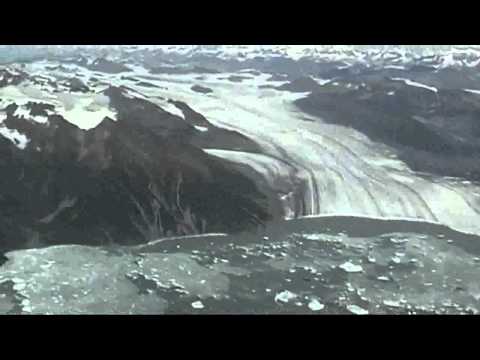
Glacier Melting
The melting of the glaciers stands as one of the most distinct and alarming signs of the global climate crisis. In this video, we dive deep into the world's largest glaciers—from the frozen cliffs of Greenland to the endless ice shelves of Antarctica—to understand the physical mechanisms driving their accelerated collapse. It is a race against time, where massive blocks of ice, some formed tens of thousands of years ago, are disintegrating into the oceans and reshaping the face of the Earth before our very eyes. Beyond the breathtaking and powerful sights of "rivers of ice" collapsing, it is crucial to understand the scientific implications of this phenomenon. Glaciers act as the Earth's giant mirror (the Albedo effect); they reflect solar radiation back into space, helping to regulate global temperatures. When ice melts and reveals dark water or rock, the Earth absorbs more heat, creating a "positive feedback loop" that further accelerates warming. Furthermore, the melting of land-based glaciers is the primary driver of rising sea levels, directly threatening coastal cities and millions of people worldwide. The history of these glaciers holds ancient secrets. Trapped within the layers of ice are tiny air bubbles that serve as a "climate archive," allowing scientists to study the composition of the atmosphere from hundreds of thousands of years ago. As the glaciers vanish, we are not only losing a critical freshwater resource but also precious pages from our planet's geological history. In this video, we review the latest data from NASA and leading research institutions, which show that the current rate of melting is several times faster than computer models predicted just a decade ago. Join us on a fascinating visual journey to the ends of the Earth, combining spectacular drone footage, data visualizations, and accessible explanations of the link between the melting poles and our daily lives. This is a story of wild nature in a state of flux, raising fateful questions about the future of our ecosystem and our ability, as humans, to influence the delicate balance of the Blue Planet.
How is a Tsunami Formed?
A tsunami is one of the most powerful and destructive forces of nature on Earth. Unlike ordinary sea waves generated by wind, which only affect the water's surface, a tsunami is a series of incredibly long waves that involve the entire water column—from the ocean floor to the surface. In this video, we dive deep into the physics behind the phenomenon to understand, step-by-step, how a sudden disturbance in the depths transforms into a massive wall of water that threatens our coastlines. The most common cause of a tsunami is an undersea earthquake occurring at the boundaries of tectonic plates. When one plate slides beneath another in a process known as subduction, immense pressure builds up until it is suddenly released, thrusting the seafloor upward. This vertical movement displaces a massive volume of water, generating energy that radiates in all directions at the speed of a jet plane—reaching up to 800 kilometers per hour. Beyond earthquakes, underwater landslides, volcanic eruptions, and even meteorite impacts in the ocean can trigger these deadly waves. One of the most fascinating and dangerous characteristics of a tsunami is how it transforms as it approaches land. In the deep ocean, the wave may be only a few centimeters high, meaning ships sailing above it might not notice it at all. However, as the water becomes shallow near the shore, the wave's speed decreases and its energy is compressed upward in a phenomenon called "shoaling." The result is a dramatic rise in water height. Often, the first warning sign at the beach is an unusual and rapid recession of the shoreline, exposing the seabed and leaving fish stranded—just moments before the first surge strikes with immense force. Understanding the scientific mechanisms that drive a tsunami is critical for developing early warning systems that can save lives. Since the major disasters in the Indian Ocean in 2004 and Japan in 2011, technology for detecting earthquakes and pressure changes on the ocean floor has improved remarkably. Join us on a journey into this incredible force of nature, blending geology, oceanography, and physics to better understand the mystery of the "harbor wave" (the literal meaning of tsunami in Japanese) and how we can protect ourselves in the future.
Global Warming and the Global Ocean
The oceans are the beating heart of Earth, the vital system that regulates our climate and sustains life as we know it. Covering over 70% of our planet's surface, their influence is far more profound than meets the eye. In this video, we dive into the complex and critical relationship between global warming and the global ocean, discovering how these vast bodies of water serve as the primary "shock absorber" for the climate crisis—absorbing approximately 90% of the excess heat trapped in the atmosphere and nearly a third of the carbon dioxide emissions we produce. However, this extraordinary capacity for absorption comes at a heavy price. Rising temperatures in the deep sea are triggering devastating phenomena: from thermal expansion, which causes sea levels to rise and threatens coastal cities worldwide, to extreme shifts in massive ocean currents like the Gulf Stream, which acts as a global thermal "conveyor belt." These changes do not remain beneath the surface; they directly impact weather patterns on land, fueling more powerful storms, prolonged droughts, and the disruption of the seasons. Furthermore, the process of "ocean acidification" resulting from CO2 absorption threatens coral reefs and the entire marine ecosystem, a vital food source for billions of people. Beyond the dry scientific data, it is crucial to understand the historical and future context of this crisis. In the past, climatic shifts occurred over thousands of years, allowing marine life time to adapt. Today, the rate of change is ten times faster than anything witnessed in the geological record. This video explores the cutting-edge technologies scientists use to monitor the ocean depths—from advanced satellites to robotic floats that dive kilometers deep—and presents the most up-to-date projections for the coming years. Are we approaching a point of no return, or can a deeper understanding of the "Blue Giant" enable us to find solutions to save the planet? This is a fascinating journey into the mysteries of the deep, bridging the gap between rigorous science and the urgent need for conservation. We invite you to understand not only the problem but also the strategic importance of the oceans as the key player in the fight for humanity's future. Through breathtaking footage and in-depth analysis, we explore how every degree of ocean warming echoes in every corner of the globe, and what must be done to restore balance to the largest and most important ecosystem on Earth.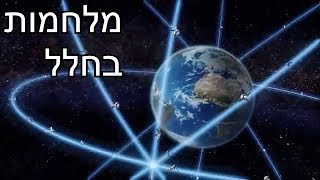
Space Warfare in the 21st Century
In the past, space was perceived as a realm of scientific research and international cooperation for the benefit of all mankind. However, in the 21st century, it is rapidly transforming into the most critical strategic arena for national security. "Space Warfare" is no longer a concept confined to science fiction, but a complex reality where superpowers like the United States, Russia, and China are developing offensive and defensive capabilities to dominate Earth’s orbit. This video dives deep into the evolution of conflict beyond the atmosphere, analyzing how the command of space has become the backbone of every modern military on Earth. Modern society’s absolute dependence on satellites is precisely what makes space such a vulnerable target. From GPS navigation systems that guide missiles and fighter jets to encrypted communications and real-time intelligence gathering—disabling a nation’s satellite array could set it back decades within minutes. In this episode, we will review the new generations of weaponry developed in recent years: from Anti-Satellite missiles (ASAT) designed for physical destruction to "sleeper" satellites capable of docking with enemy assets, as well as cyber warfare and electromagnetic jamming intended to paralyze space communications without leaving a trail of debris. One of the greatest challenges in this theater of war is "Kessler Syndrome"—a nightmare scenario where a collision between satellites creates a chain reaction of high-speed debris, destroying further satellites and rendering Earth's orbit impassable for generations. The video examines the ethical and legal dilemmas accompanying the space arms race in light of the 1967 Outer Space Treaty, which prohibited the placement of weapons of mass destruction but left numerous loopholes regarding conventional weapons and advanced laser technologies. Finally, we analyze the establishment of dedicated branches like the U.S. Space Force and its global counterparts, understanding how the global balance of power shifts when the final frontier becomes the front line. Are we facing an era of real-life "Star Wars," and what are the consequences of losing control over the precious assets floating above our heads? Join us on a fascinating journey into the future of warfare, where the sky is no longer the limit.
Solar Eclipse
A solar eclipse is one of the most spectacular and stirring displays nature has to offer—a cosmic event where the Moon passes directly between the Earth and the Sun, veiling its light. This fascinating phenomenon occurs thanks to a rare and extraordinary geometric coincidence: although the Sun is approximately 400 times larger than the Moon, it is also exactly 400 times further away from us. This perfect ratio causes both celestial bodies to appear nearly identical in size in our sky, allowing the Moon to cover the Sun, partially or fully, casting a sudden darkness in the middle of the day. There are three primary types of solar eclipses. The most impressive is the Total Solar Eclipse, where the Moon completely obscures the solar disk, revealing the "corona"—the Sun’s outer atmosphere, which appears as a delicate, glowing halo. An Annular Solar Eclipse occurs when the Moon is at a farther point in its orbit from Earth, making it appear too small to cover the entire Sun; this creates a striking "ring of fire" effect around the lunar silhouette. The third type is a Partial Solar Eclipse, where only a portion of the Sun is hidden, giving it the appearance of a "bitten" disk. Throughout human history, solar eclipses have inspired a mixture of awe, fear, and mystery. Ancient civilizations often interpreted the disappearance of the Sun as a dark omen, a sign of divine wrath, or celestial dragons devouring the daylight. Today, science allows us to not only predict these eclipses with split-second precision years in advance, but also to utilize them for groundbreaking research. A famous example is the eclipse of 1919, where observations of stars near the obscured Sun provided the first tangible proof of Albert Einstein’s General Theory of Relativity. Observing a solar eclipse requires great caution and proper protection. Looking directly at the Sun, even during an eclipse, can cause irreversible damage to the retina within seconds. One must use specialized eclipse glasses that meet international safety standards or employ indirect projection methods. During the eclipse, it is not just the sky that changes; the temperature drops abruptly, wildlife alters its behavior as if night has fallen, and the colors of the environment take on a unique, surreal hue. It is a rare moment in which we are granted a direct sense of the wondrous mechanics of our solar system.Cookies & Privacy 🍪
We use cookies to improve your experience
For more information, see our Privacy Policy