Real Time Season 1 Episode 21 filling the Void
Description
The human quest for meaning within the infinite reaches of the cosmos takes a fascinating turn in this episode of "Real Time." Titled "Filling the Void," the series embarks on an intellectual and documentary journey exploring the profound connection between the cosmic vacuum and the human longing for knowledge and connection. While modern science defines space as a place of physical emptiness, human history teaches us that we have always strove to fill this expanse with imagination, scientific theories, and the search for extraterrestrial civilizations that might be staring back at us from the darkness. At the heart of the episode lies the most gripping question of the current era of exploration: what is truly within the regions of the sky perceived as "desolate"? The narrative spans from the latest developments in quantum physics—which suggest that space is never truly empty but rather teeming with energy and virtual particles—to the accumulating evidence of unexplained sightings that point to an intelligent presence in places we once thought were dead. Featured researchers analyze how the cosmic void serves as a canvas upon which we project our greatest fears and hopes regarding the future of the human race beyond Earth. The episode dives deep into historical and technological mysteries, examining the staggering gap between our limited ability to reach the stars and our expanding knowledge of what exists out there. Through a blend of cutting-edge scientific analysis and rare archival footage, the film reveals how the concept of "space" is undergoing a transformation—from a hostile, distant frontier to a bustling arena of possibilities. This is a poignant look at the relentless human need to "fill the void," not only with spacecraft and instrumentation but by solving the great riddles that define our place in the universe. This is not merely a story of physics or astronomy, but a philosophical investigation into the greatest mystery of all. Are we alone within the vacuum, or is the sensation of "empty space" merely a result of our inability to perceive the complexity of the reality surrounding us? "Filling the Void" offers a fresh and thought-provoking perspective on how science, mystery, and the human spirit converge at the point where the atmosphere ends and the true mystery begins.
Original title
זמן אמת עונה 1 | פרק 21 - למלא את החלל
החיפוש האנושי אחר משמעות בתוך מרחביו האינסופיים של היקום מקבל תפנית מרתקת בפרק זה של "זמן אמת". תחת הכותרת "למלא את החלל", יוצאת הסדרה למסע אינטלקטואלי ותיעודי הבוחן את הקשר העמוק שבין הריק הקוסמי לבין הכמיהה האנושית לידע ולחיבור. בעוד המדע המודרני מגדיר את החלל כמקום של ריקנות פיזיקלית, ההיסטוריה של האנושות מלמדת אותנו שתמיד שאפנו למלא את המרחב הזה בדמיון, בתיאוריות מדעיות ובחיפוש אחר תרבויות חוצניות שעשויות להביט בנו בחזרה מן החשיכה. במרכז הפרק עומדת השאלה המרתקת ביותר בעידן החקירה הנוכחי: מה באמת מסתתר באזורים הנתפסים כ"שוממים" של הרקיע? החל מההתפתחויות האחרונות בפיזיקה של הקוונטים, הטוענת כי החלל מעולם אינו ריק באמת אלא רוחש אנרגיה וחלקיקים וירטואליים, ועד לעדויות המצטברות של תצפיות בלתי מוסברות המצביעות על נוכחות תבונית במקומות שחשבנו למתים. החוקרים המשתתפים בפרק מנתחים כיצד הריקנות הקוסמית משמשת כקנבס שעליו אנו משליכים את הפחדים והתקוות הגדולות ביותר שלנו לגבי עתיד המין האנושי מחוץ לכדור הארץ. הפרק צולל לעומקן של תעלומות היסטוריות וטכנולוגיות, תוך בחינת הפער הבלתי נתפס שבין היכולת המוגבלת שלנו להגיע לכוכבים לבין הידע המתרחב על מה שקיים שם בחוץ. באמצעות שילוב של ניתוחים מדעיים מחזית המחקר וקטעי ארכיון נדירים, נחשף כיצד המושג "חלל" עובר טרנספורמציה – ממקום עוין ומרוחק לזירה שוקקת של אפשרויות. מדובר במבט נוקב על הצורך האנושי הבלתי פוסק "למלא את החלל", לא רק באמצעות חלליות ומכשור, אלא באמצעות פתרון החידות הגדולות שמגדירות את מקומנו ביקום. זהו אינו רק סיפור על פיזיקה או אסטרונומיה, אלא חקירה פילוסופית של המסתורין הגדול מכולם. האם אנחנו לבד בתוך הריק, או שהתחושה של "חלל ריק" היא רק תוצאה של חוסר היכולת שלנו לתפוס את מורכבות המציאות שמסביבנו? "למלא את החלל" מציע נקודת מבט רעננה ומעוררת מחשבה על האופן שבו המדע, המסתורין והרוח האנושית נפגשים בנקודה שבה נגמר האטמוספירה ומתחילה התעלומה האמיתית.
Video transcript
This video has no captions on YouTube.
You can generate an approximate AI transcript from the video metadata.
Related Videos
Undercover Investigation: The Plot to Steal the Election | Truth Time Season 10 Premiere
Credit: זמן אמת · אילנה דיין · קשת 12The investigative flagship program of Kan 11 returns for another gripping season, hosted by Chen Liberman and Suleiman Maswadeh. In the season premiere, "Discordant Voices," the show exposes the entities potentially plotting to disrupt the upcoming Knesset elections and reveals the sophisticated methods they may employ. All episodes of "Zman Emet" (Real Time) are available now on Kan BOX and the official website: https://bit.ly/44qB362 #RealTime • Watch now on Kan BOX online ◄ https://www.kan.org.il/lobby/kan-box/ • Access all our content on the website ◄ http://www.kan.org.il/ • Download the Kan apps ◄ https://www.kan.org.il/content-pages/apps/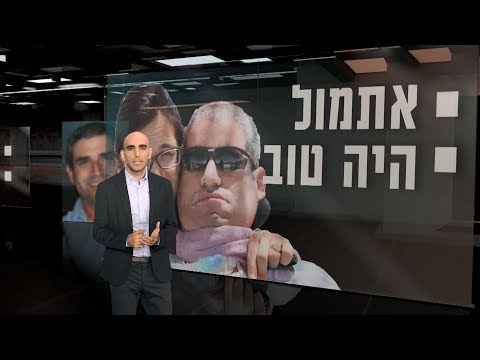

Real Time Season 9 Finale | Shaping the Narrative: The PM’s Political Recovery after October 7
Credit: זמן אמת · אילנה דיין · קשת 12The events of October 7th left Israel in a state of profound national trauma, one that seemed destined to reshape the political landscape beyond recognition. In the days following the gravest failure in the country’s history, polls showed an unprecedented collapse in public trust, and many experts assessed that Benjamin Netanyahu's political career had reached its absolute end. However, only a few months later, the reality on the ground began to shift. The season finale of "Real Time" embarks on a fascinating documentary journey following the well-oiled mechanism behind one of the most dramatic shifts in public perception ever seen in Israeli politics. The film exposes the sophisticated strategies designed to reshape the public narrative—from the precision-use of social media and the messaging briefs distributed among supporters, to the management of confrontations with intelligence and security agencies. It offers a behind-the-scenes look at the "propaganda machine" and the ways in which the Prime Minister's inner circle managed to deflect fire from the responsibility for the failure toward questions of "absolute victory" and political survival. Through interviews with communications consultants, political experts, and confidants, the episode analyzes how national trauma became a tool in the battle for the public consciousness. Beyond cold political analysis, "Consciousness Shapers" examines the social cost of the struggle over the narrative. In an era of fake news and digital echo chambers, the boundaries between truth and alternative facts have blurred, leaving Israeli society perhaps more divided than ever, even in the midst of war. The episode presents case studies of viral campaigns aimed at rehabilitating the "Mr. Security" image and rebuilding the domestic support base, while fending off international criticism and internal pressure from the families of the hostages and the security establishment. This is not just a story of political survival, but an in-depth study of the power of words and images in the modern age. "Real Time" concludes its ninth season with a question that echoes through the future of Israeli democracy: Does the ability to control the narrative outweigh the test of reality? In an episode that combines piercing investigative journalism with a psychological analysis of the public sphere, the full picture is revealed of the operation to restore the standing of the man at the most fateful crossroads of decision-making in Israel's recent decades.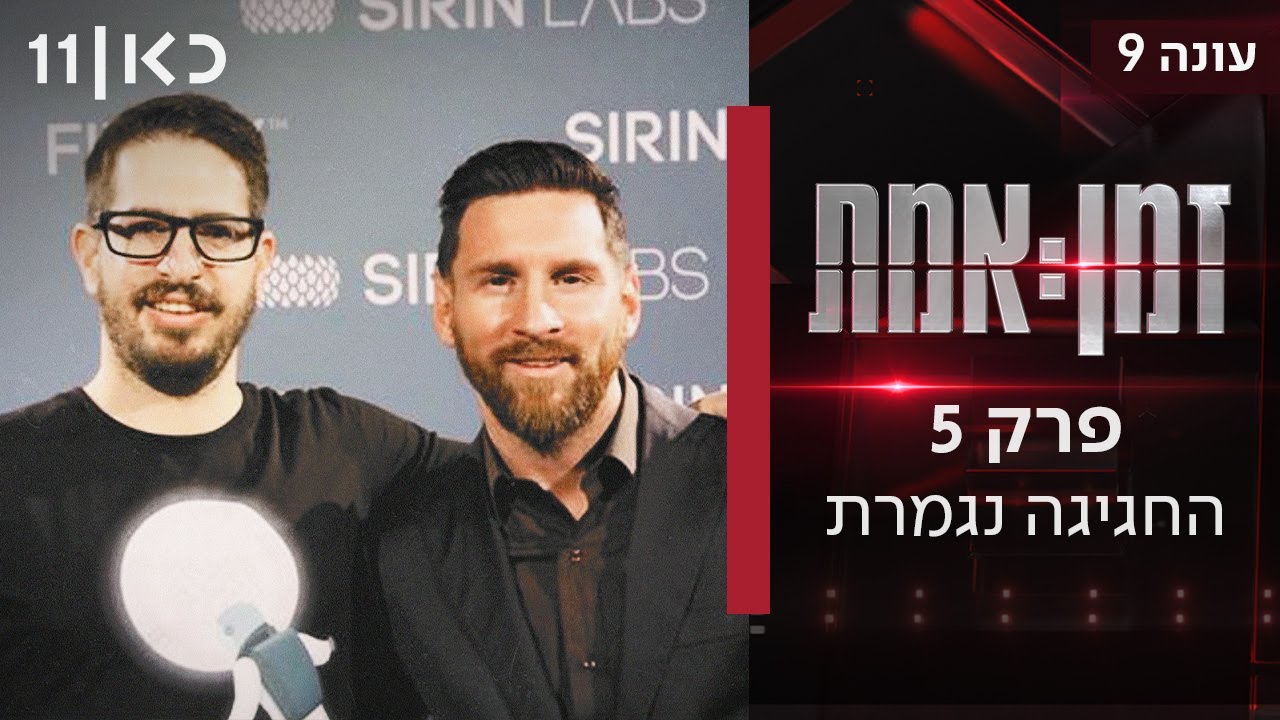

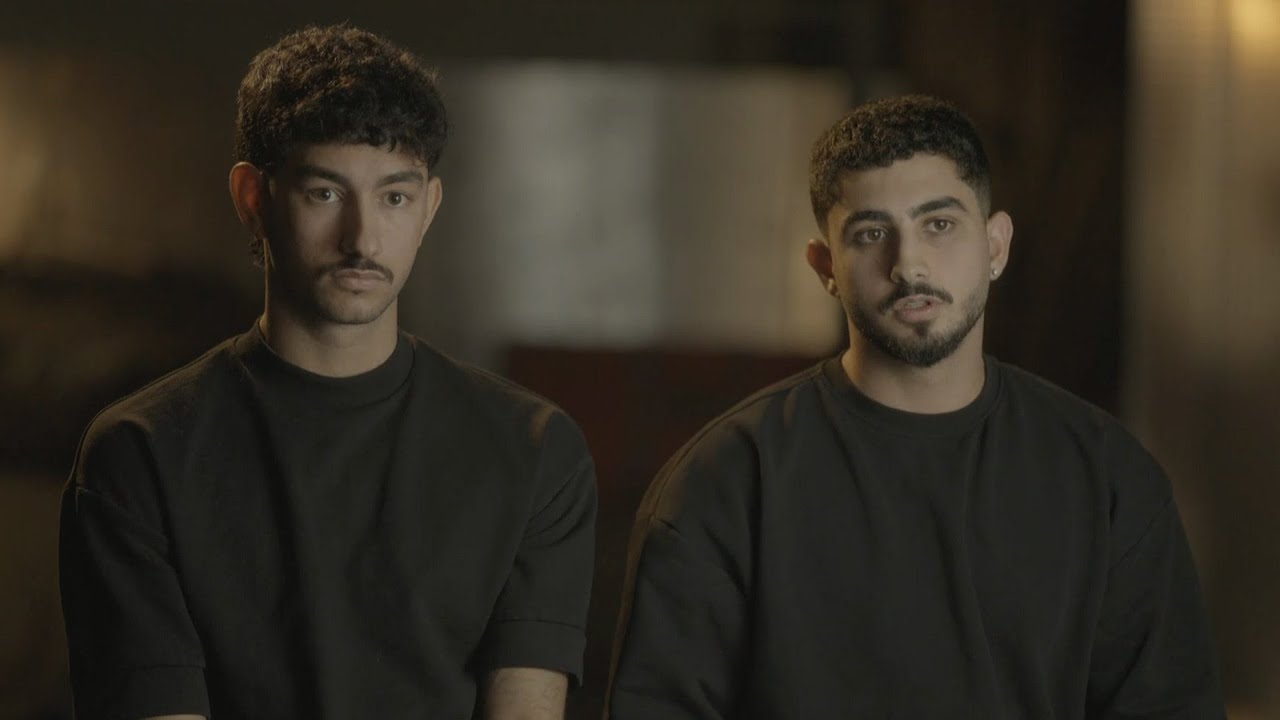
The Fatal Flood: Investigating the Systemic Failures Behind the Death of Maayan and Sahar Assor
Credit: זמן אמת · אילנה דיין · קשת 12The terrible night of April 2023 in the Arava desert remains etched in Israel's national memory as one of the most devastating and avoidable disasters in recent years. Maayan and Sahar Assor, vibrant young siblings from Tiberias, lost their lives in a sudden flash flood in the Paran stream while driving to a vacation in Eilat. The tragedy, which began as a routine family drive down Highway 40, transformed within minutes into a desperate struggle for survival against the forces of nature. As the raging waters swept their vehicle away, the entire country watched with bated breath until the final, devastating discovery. Behind the unimaginable grief of the Assor family lies a complex web of systemic failures and deep-seated flaws. The police investigation, revealed for the first time in this episode of "Zman Emet," paints a jarring picture of a chain of negligence: from the failure of enforcement agencies to preemptively block dangerous routes, to critical communication gaps between command centers and the real-time management of the scene. The echoing question remains: how is it possible that in a developed nation equipped with advanced forecasting systems, citizens find themselves in a death trap on a major highway without sufficient warning? Beyond the analysis of operational failures, this documentary brings to the screen the human voices left in the wake of the storm. Through the testimonies of the rescuers, the officers on the ground, and the sole survivor of the vehicle—Shay Dahan, Maayan’s partner—moments of both terror and heroism are revealed. This is a poignant discussion on the state’s responsibility for its citizens' safety in the face of climate change and extreme weather, conditions that turn the quiet streams of the south into lethal torrents of destruction in a matter of seconds. The filmmakers embark on a journey following "the washed-away failure," attempting to understand whether the necessary lessons were learned to prevent the next disaster. Through a minute-by-minute reconstruction of events and an analysis of forensic and technological findings, a complex portrait emerges of a system that remained stagnant. This is not only a story of heartbreaking personal loss, but a social and administrative indictment that demands clear answers: who fell asleep on watch along the Arava route, and how do we ensure such a tragedy never repeats itself next winter?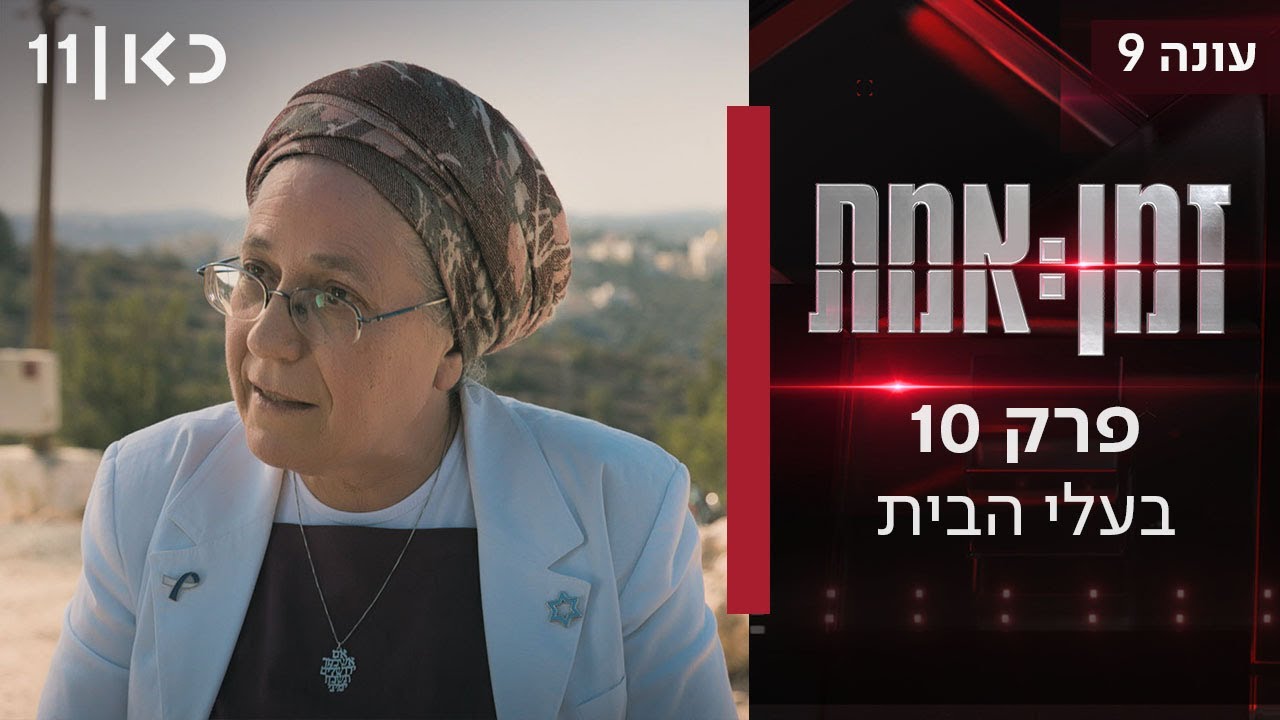
Real Time Season 9 Episode 8 — A Kernel of Truth: Did We Really Defeat the Iranians
Credit: זמן אמת · אילנה דיין · קשת 12For decades, a clandestine, multi-dimensional war has raged between Jerusalem and Tehran. It is a conflict fought far from the public eye—in research laboratories, across cyberspace, and through daring intelligence operations deep within enemy territory. This episode of *Zman Emet* embarks on a fascinating journey following one of the most pressing questions in national security: Has Israel's monumental effort to halt the Iranian nuclear project truly borne fruit, or are these merely tactical victories in a battle while the wider campaign is being decided in favor of the Islamic Republic? Through exclusive testimonies and profound strategic analysis, we reveal the complex reality of the struggle shaping the face of the Middle East. From sophisticated sabotage operations against centrifuge production lines in Natanz to the assassination of top nuclear scientists, Israel has demonstrated unprecedented intelligence and operational superiority. However, a troubling kernel of truth suggests that despite these countless disruptions, Iran has successfully built resilient and decentralized infrastructures. All the while, Tehran has exploited global geopolitical shifts to edge closer to a nuclear breakout capability. This episode examines the gap between resounding newspaper headlines and the reality on the ground, where Iran continues to enrich uranium to dangerous levels under the loose supervision of the international community. At the heart of the matter lies a strategic dilemma: are the old tools—economic sanctions and covert operations—still relevant against a state that has turned nuclear capability into its regime's insurance policy? Intelligence experts and former high-ranking officers analyze the approaching "moment of truth," in which Israel may find itself facing a fateful decision. This is not just a story of technology and spies, but a psychological and political struggle over deterrence and the future of the entire region. It raises the haunting question: have we truly succeeded in defeating Iranian ambitions, or are we merely delaying the inevitable?Cookies & Privacy 🍪
We use cookies to improve your experience
For more information, see our Privacy Policy