Hiroshima and Nagasaki bombing: Victory or crime against humanity?
Description
This year marks the 80th anniversary of Operation Centerboard, one of the most pivotal, controversial, and chilling moments in modern history. In the summer of 1945, the world was forever changed when the United States dropped two atomic bombs on the Japanese cities of Hiroshima and Nagasaki. This event did more than just bring an immediate end to World War II; it ushered in the "Atomic Age" and reshaped global geopolitics and military ethics forever. The first bomb, "Little Boy," was deployed from the famous Enola Gay over Hiroshima on August 6th. Three days later, the second bomb, "Fat Man," was dropped on Nagasaki. The results were devastating on an unimaginable scale: hundreds of thousands of people were killed instantly by the blast and extreme heat, while tens of thousands more perished in the following years from radiation poisoning and cancer. The cities themselves were almost entirely erased, leaving behind a radioactive wasteland and a deep scar on the Japanese and global psyche. Even today, after eight decades, the fierce moral debate shows no signs of fading: was this a necessary strategic move to prevent a ground invasion that would have claimed the lives of millions of soldiers and civilians, or was it a cruel human experiment and an unprecedented war crime? Proponents of the decision argue that the Japanese Empire refused to surrender and that the bomb saved the world from an endless, bloody conflict. Conversely, many critics and historians contend that Japan was already on the verge of collapse, and that the use of a "Doomsday weapon" was primarily intended as a display of power toward the Soviet Union at the dawn of the Cold War. In this video, we dive deep into the historical evidence, examine the decision-making process within the White House and the scientific circles of the Manhattan Project, and hear the voices of the "Hibakusha"—the survivors who witnessed the sun rise twice in a single day. Join us on a journey through the pages of history to understand how one event shaped our modern concept of global security and discover the true price of history's greatest victory.
Original title
הפצצת הירושימה ונגסאקי: ניצחון מוחץ או פשע נגד האנושות?
השנה אנו מציינים 80 שנה למבצע "סנטרבורד" (Operation Centerboard), אחד הרגעים המכוננים, השנויים במחלוקת והמצמררים ביותר בהיסטוריה המודרנית. בקיץ 1945, העולם השתנה לעד כאשר ארצות הברית הטילה שתי פצצות אטום על הערים הירושימה ונגסאקי ביפן. האירוע הזה לא רק הביא לסיומה המיידי של מלחמת העולם השנייה, אלא גם פתח את "עידן האטום" ושינה את פני הגיאופוליטיקה והאתיקה הצבאית לנצח. הפצצה הראשונה, "ילד קטן" (Little Boy), הוטלה מהמטוס המפורסם "אנולה גיי" על הירושימה ב-6 באוגוסט. שלושה ימים לאחר מכן, הוטלה הפצצה השנייה, "איש שמן" (Fat Man), על נגסאקי. התוצאות היו הרסניות בקנה מידה בלתי נתפס: מאות אלפי בני אדם נהרגו באופן מיידי מהדף ומחום קיצוני, ועשרות אלפים נוספים מתו בשנים שלאחר מכן כתוצאה מהרעלת קרינה ומחלות סרטן. הערים עצמן נמחקו כמעט לחלוטין, והותירו אחריהן שממה רדיואקטיבית וצלקת עמוקה בנפש היפנית והעולמית. עד היום, שמונת העשורים שחלפו לא הצליחו להשקיט את הוויכוח המוסרי הסוער: האם מדובר היה בצעד אסטרטגי הכרחי למניעת פלישה קרקעית שהייתה גובה את חייהם של מיליוני חיילים ואזרחים, או שמא היה זה ניסוי אכזרי בבני אדם ופשע מלחמה חסר תקדים? תומכי ההחלטה טוענים כי הקיסרות היפנית סירבה להיכנע וכי הפצצה הצילה עולם שלם מהמשך דמים אינסופי. מנגד, מבקרים והיסטוריונים רבים טוענים כי יפן כבר הייתה על סף קריסה, וכי השימוש בנשק יום הדין נועד בעיקר להפגין כוח מול ברית המועצות בפתח המלחמה הקרה. בסרטון זה נצלול לעומק העדויות ההיסטוריות, נבחן את תהליך קבלת ההחלטות בבית הלבן ובפורום המדעי של "פרויקט מנהטן", ונשמע את קולם של ה"היבאקושה" - השורדים שראו את השמש זורחת פעמיים ביום אחד. נצא למסע בין דפי ההיסטוריה כדי להבין כיצד אירוע אחד עיצב את תפיסת הביטחון העולמית שלנו עד היום, ומהו המחיר האמיתי של הניצחון הגדול ביותר בהיסטוריה.
תמלול הסרטון
לסרטון זה אין כתוביות זמינות ביוטיוב.
ניתן ליצור תמלול מקורב באמצעות AI על בסיס פרטי הסרטון.
Related Videos

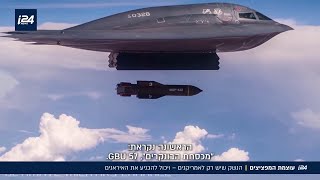
The Weapon Only the Americans Have - and Can Subdue the Iranians
The Israeli Air Force is widely regarded as one of the finest and most advanced in the world, manned by pilots with extensive operational experience and equipped with cutting-edge technology. However, when examining the Iranian nuclear challenge—a project scattered across sites fortified deep underground and located thousands of kilometers away—a pressing question arises: why does Israel still require American military capabilities to permanently eliminate the threat? The answer lies not merely in the number of aircraft, but in complex logistics and, most importantly, one specific and lethal weapon found exclusively in Uncle Sam's arsenal. This technological "monster" is known as the MOP (Massive Ordnance Penetrator)—a bunker-busting bomb weighing approximately 14 tons of steel and explosives. This munition was designed specifically to tackle sites like Fordow, an enrichment facility nestled in the belly of a fortified mountain. While the Israeli Air Force possesses advanced weaponry, there is no conventional bomb in the global inventory more powerful than this American asset, which is capable of penetrating dozens of meters of reinforced concrete and solid rock before detonating. To carry such immense power, strategic bombers like the stealthy B-2 Spirit are required—aircraft that no other country in the world possesses. Beyond direct firepower, a confrontation with Iran demands the ability to maintain a prolonged presence in hostile skies and a large-scale aerial refueling network capable of supporting dozens of fighter jets over long durations. This is where the distinct American advantage in "Order of Battle" comes into play. The U.S. military does not rely solely on specialized munitions; it brings an entire umbrella of air defense, electronic warfare, and real-time satellite intelligence, making any strike far more surgical and overwhelming. In the following video, we dive into the depths of modern military strategy, analyze the capabilities of the GBU-57 bomb, and address the burning geopolitical question: is this merely a technical matter of explosive weight, or is the cooperation between Israel and the U.S. the only key to stability in the Middle East? Join us for a fascinating overview of the weapon that is shifting the balance of terror against Tehran.





600 Missiles Below Zero: The Lost US Nuclear Base
A routine NASA flight over the frozen expanses of Greenland revealed a chilling discovery from the public eye for decades: the remains of the "City Under the Ice," a vast, secret military base established by the United States at the height of the Cold War. What began as a seemingly innocent scientific endeavor known as "Camp Century" was eventually revealed to be a cover for one of the most ambitious and dangerous schemes in the history of the superpower conflict—"Project Iceworm." The true objective of the project was the construction of a massive network of underground tunnels stretching approximately 4,000 kilometers, designed to house and transport some 600 medium-range nuclear missiles deep within the ice sheet. This strategic location in Greenland was intended to allow the U.S. to launch a nuclear strike on the Soviet Union at short range, utilizing the frozen terrain as impenetrable camouflage. The base was an engineering marvel of its time, featuring living quarters for 200 soldiers, laboratories, a hospital, a cinema, and even the first-of-its-kind mobile nuclear reactor to power the entire complex. However, nature proved more powerful than human design. While scientists initially estimated the ice to be stable, the relentless movement of the glaciers caused the tunnels to deform, threatening the structural integrity of the facility and its nuclear reactor. In 1967, the U.S. military hastily abandoned the site, leaving behind thousands of tons of toxic waste, jet fuel, and radioactive residue—all concealed under a shroud of snow and ice, in the belief they would remain buried forever. Today, as global warming accelerates the melting of the polar ice caps, the secrets of Camp Century are beginning to resurface. The exposure of the base raises profound ethical and environmental questions regarding the responsibility for cleaning up the toxic waste that now threatens to leak into the ocean. The story of this lost base is not only a fascinating chapter in the history of espionage and nuclear weaponry but also a haunting reminder of the heavy price of the arms race and the scars the Cold War left across the face of the Earth.




Recommended for you
More content about Nuclear Weapons & Cold War you might like
Cookies & Privacy 🍪
We use cookies to improve your experience
For more information, see our Privacy Policy