The Fukushima Nuclear Disaster - Explained
Description
On March 11, 2011, a massive magnitude 9.0 earthquake struck off the coast of Japan, triggering fearsome tsunami waves that swept across the shoreline and altered the course of modern history. The disaster at the Fukushima Daiichi nuclear power plant is considered the most severe nuclear accident since Chernobyl in 1986, classified at Level 7—the highest rating on the International Nuclear Event Scale. This video dives deep into the dramatic chain of events: from the moment the cooling systems collapsed to the core meltdowns that released radioactive materials into the environment. What truly happened inside the reactors during those fateful hours? Although the facility was designed to withstand earthquakes, the tsunami waves that breached the defensive seawalls flooded the emergency generators. This led to a total station blackout and the critical inability to cool the scorching fuel rods. We examine the chain of technical failures, the high-pressure decisions made by management, and the heroism of the "Fukushima Fifty"—the workers who stayed behind, risking their lives to prevent a global catastrophe. Beyond the technical analysis, this video explores the long-term environmental and social consequences. We look at the "Exclusion Zone" that left tens of thousands homeless, the ongoing struggle to treat and manage radioactive water stored at the site, and the disaster's impact on the future of nuclear energy worldwide. How did nations like Germany shift their policies following the event, and what lessons were learned to ensure such a tragedy never happens again? Join us for a comprehensive overview combining scientific facts, historical analysis, and rare footage as we seek to answer the question: Could this disaster have been prevented, and what is the true price of atomic energy? This is a story of nature’s unimaginable power clashing with the limitations of humanity's most ambitious technology.
Original title
האסון הגרעיני בפוקושימה – הסבר
ב-11 במרץ 2011, רעש אדמה אדיר בעוצמה של 9.0 בסולם ריכטר הכה בחופי יפן, ועורר גלי צונאמי אימתניים ששטפו את קו החוף ושינו את פני ההיסטוריה המודרנית. האסון בקידוחי הכור הגרעיני "פוקושימה דאיצ'י" נחשב לאסון הגרעיני החמור ביותר מאז צ'רנוביל ב-1986, והוא הוגדר ברמה 7 – הדרגה הגבוהה ביותר בסולם האירועים הגרעיניים הבינלאומי. הסרטון שלפניכם צולל אל עומק השתלשלות האירועים הדרמטית: החל מהרגע בו מערכות הקירור קרסו ועד להתכת הליבות ששחררה חומרים רדיואקטיביים לסביבה. מה באמת קרה בתוך הכורים באותן שעות גורליות? למרות שהכורים תוכננו לעמוד ברעידות אדמה, גלי הצונאמי ששטפו את המתחם עברו את גובה חומת ההגנה והציפו את גנרטורים החירום, מה שהוביל להפסקת חשמל מוחלטת ולחוסר יכולת לקרר את מוטות הדלק הלוהטים. נבחן את שרשרת התקלות הטכניות, את החלטות המנהלים תחת לחץ ואת גבורתם של "חמישים מפוקושימה" – העובדים שנשארו מאחור כדי לנסות ולמנוע קטסטרופה גלובלית תוך סיכון חייהם. מעבר לניתוח הטכני, הסרטון סוקר את ההשלכות הסביבתיות והחברתיות ארוכות הטווח. נלמד על "אזור ההסגר" שהותיר רבבות אנשים ללא בית, על המאבק המתמשך לטיהור המים הרדיואקטיביים המאוחסנים באתר, ועל השפעת האסון על עתיד האנרגיה הגרעינית בעולם כולו. כיצד מדינות כמו גרמניה שינו את מדיניותן בעקבות האירוע, ואילו לקחים הופקו כדי להבטיח שטרגדיה כזו לא תחזור על עצמה? הצטרפו אלינו לסקירה מקיפה המשלבת עובדות מדעיות, ניתוח היסטורי וצילומים נדירים, המנסים לענות על השאלה: האם ניתן היה למנוע את האסון, ומה המחיר האמיתי שאנו משלמים על השימוש באנרגיה אטומית? זהו סיפור על עוצמתו הבלתי נתפסת של הטבע מול המגבלות של הטכנולוגיה האנושית השאפתנית ביותר.
תמלול הסרטון
לסרטון זה אין כתוביות זמינות ביוטיוב.
ניתן ליצור תמלול מקורב באמצעות AI על בסיס פרטי הסרטון.
Related Videos

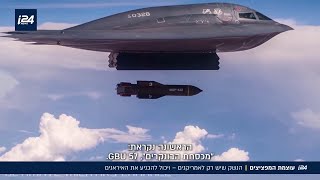
The Weapon Only the Americans Have - and Can Subdue the Iranians
The Israeli Air Force is widely regarded as one of the finest and most advanced in the world, manned by pilots with extensive operational experience and equipped with cutting-edge technology. However, when examining the Iranian nuclear challenge—a project scattered across sites fortified deep underground and located thousands of kilometers away—a pressing question arises: why does Israel still require American military capabilities to permanently eliminate the threat? The answer lies not merely in the number of aircraft, but in complex logistics and, most importantly, one specific and lethal weapon found exclusively in Uncle Sam's arsenal. This technological "monster" is known as the MOP (Massive Ordnance Penetrator)—a bunker-busting bomb weighing approximately 14 tons of steel and explosives. This munition was designed specifically to tackle sites like Fordow, an enrichment facility nestled in the belly of a fortified mountain. While the Israeli Air Force possesses advanced weaponry, there is no conventional bomb in the global inventory more powerful than this American asset, which is capable of penetrating dozens of meters of reinforced concrete and solid rock before detonating. To carry such immense power, strategic bombers like the stealthy B-2 Spirit are required—aircraft that no other country in the world possesses. Beyond direct firepower, a confrontation with Iran demands the ability to maintain a prolonged presence in hostile skies and a large-scale aerial refueling network capable of supporting dozens of fighter jets over long durations. This is where the distinct American advantage in "Order of Battle" comes into play. The U.S. military does not rely solely on specialized munitions; it brings an entire umbrella of air defense, electronic warfare, and real-time satellite intelligence, making any strike far more surgical and overwhelming. In the following video, we dive into the depths of modern military strategy, analyze the capabilities of the GBU-57 bomb, and address the burning geopolitical question: is this merely a technical matter of explosive weight, or is the cooperation between Israel and the U.S. the only key to stability in the Middle East? Join us for a fascinating overview of the weapon that is shifting the balance of terror against Tehran.




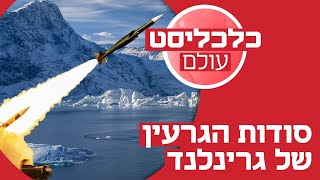
600 Missiles Below Zero: The Lost US Nuclear Base
A routine NASA flight over the frozen expanses of Greenland revealed a chilling discovery from the public eye for decades: the remains of the "City Under the Ice," a vast, secret military base established by the United States at the height of the Cold War. What began as a seemingly innocent scientific endeavor known as "Camp Century" was eventually revealed to be a cover for one of the most ambitious and dangerous schemes in the history of the superpower conflict—"Project Iceworm." The true objective of the project was the construction of a massive network of underground tunnels stretching approximately 4,000 kilometers, designed to house and transport some 600 medium-range nuclear missiles deep within the ice sheet. This strategic location in Greenland was intended to allow the U.S. to launch a nuclear strike on the Soviet Union at short range, utilizing the frozen terrain as impenetrable camouflage. The base was an engineering marvel of its time, featuring living quarters for 200 soldiers, laboratories, a hospital, a cinema, and even the first-of-its-kind mobile nuclear reactor to power the entire complex. However, nature proved more powerful than human design. While scientists initially estimated the ice to be stable, the relentless movement of the glaciers caused the tunnels to deform, threatening the structural integrity of the facility and its nuclear reactor. In 1967, the U.S. military hastily abandoned the site, leaving behind thousands of tons of toxic waste, jet fuel, and radioactive residue—all concealed under a shroud of snow and ice, in the belief they would remain buried forever. Today, as global warming accelerates the melting of the polar ice caps, the secrets of Camp Century are beginning to resurface. The exposure of the base raises profound ethical and environmental questions regarding the responsibility for cleaning up the toxic waste that now threatens to leak into the ocean. The story of this lost base is not only a fascinating chapter in the history of espionage and nuclear weaponry but also a haunting reminder of the heavy price of the arms race and the scars the Cold War left across the face of the Earth.






מאמרים קשורים
Cookies & Privacy 🍪
We use cookies to improve your experience
For more information, see our Privacy Policy