the office moments that break out the loudspeaker | Comedy Bites
Description
The series "The Office" redefined the television mockumentary genre, blending moments of awkward silence with unforgettable vocal outbursts that have since become cultural touchstones. The show’s stylistic choice to use lavalier microphones clipped to the actors' bodies created an extraordinary intimacy between the audience and the characters, but it also paved the way for moments of auditory chaos. When the energy within the Dunder Mifflin workspace crosses the boundaries of decorum, volume levels climb to peaks that push the limits of both the recording equipment and home speakers. At the heart of this sonic dynamic lies the character of Michael Scott, masterfully portrayed by Steve Carell, whose art of the scream ranges from comic fury to existential despair. Moments like the dramatic declaration of "bankruptcy" or the echoing shout of "NO!" upon Toby Flenderson's return to the office are more than just scripted jokes; they are a masterclass in comedic sound engineering. The show’s creators often utilized intentional distortion to emphasize the characters' lack of control in public spaces, creating an effect of immediacy and a "here and now" sensation for the viewer, as if they were physically present in the crowded conference room. Beyond the comedy, these vocal outbursts serve as a narrative tool to release the tension accumulated throughout the oppressive office atmosphere. Whether it is Dwight Schrute’s chaotic fire drill simulation, where sirens and screams dissolve into a cacophony of white noise, or the heated arguments in the breakroom, the series manages to turn sound into a satirical weapon. These "comedy bites" condense these moments into an intensive experience that illustrates why "The Office" remains so relevant; it was never afraid to be loud, jarring, and uninhibited—just as real life under the fluorescent lights can be in moments of total loss of control.
Original title
רגעים מתוך The Office ששוברים את הרמקולים | קומדי בייטס
הסדרה "המשרד" (The Office) הגדירה מחדש את ז'אנר המוקומנטריה בטלוויזיה, תוך שהיא משלבת רגעים של שקט מביך עם התפרצויות ווקאליות בלתי נשכחות שהפכו לנכסי צאן ברזל בתרבות הפופ. הבחירה הסגנונית של הסדרה, הכוללת שימוש במיקרופונים נסתרים ("Lavalier mics") המודבקים לגופם של השחקנים, יצרה אינטימיות יוצאת דופן בין הקהל לדמויות, אך גם פתחה פתח לרגעים של כאוס שמיעתי. כאשר האנרגיה בתוך חלל העבודה של דאנדר מפלין חוצה את גבולות הטעם הטוב, עוצמות הקול מטפסות לשיאים שמותחים את קצה גבול היכולת של ציוד ההקלטה ושל הרמקולים הביתיים. בלב הדינמיקה הקולית הזו עומדת דמותו של מייקל סקוט, בגילומו המופתי של סטיב קארל, שאמנות הצעקה אצלו נעה בין זעם קומי לייאוש קיומי. רגעים כמו ההכרזה הדרמטית על "פשיטת רגל" או הצרחה המהדהדת "NO!" עם חזרתו של טובי פלנדרסון למשרד, אינם רק בדיחות טקסטואליות, אלא תצוגת תכלית של הנדסת קול קומית. יוצרי הסדרה השתמשו לעיתים קרובות ב"דיסטורשן" (עיוות צליל) מכוון כדי להדגיש את חוסר השליטה של הדמויות במרחב הציבורי, מה שיוצר אפקט של מיידיות ותחושת "כאן ועכשיו" עבור הצופה, כאילו הוא נוכח פיזית בחדר הישיבות הצפוף. מעבר לצד הקומי, ההתפרצויות הקוליות בסדרה משמשות ככלי עלילתי להפגת המתח שנצבר לאורך האווירה המשרדית המעיקה. בין אם מדובר בסימולציית האש הכאוטית של דווייט שרוט, שבה רעש הצופרים והצעקות יוצרים בליל של רעש לבן, ובין אם אלו הוויכוחים הלוהטים בחדר המנוחה, הסדרה מצליחה להפוך את הסאונד לכלי נשק סאטירי. "קומדי בייטס" מרכזים את הרגעים הללו לכדי חוויה אינטנסיבית הממחישה מדוע "המשרד" נותרה רלוונטית כל כך; היא לא פחדה להיות רועשת, צורמת וחסרת עכבות, בדיוק כפי שהחיים האמיתיים מתחת לאורות הפלורסנט יכולים להיות ברגעים של איבוד שליטה מוחלט.
Video transcript
This video has no captions on YouTube.
You can generate an approximate AI transcript from the video metadata.
Related Videos
Michael Scott Deleted Scenes That Shouldn't Have Been Cut
This video showcases a compilation of deleted scenes featuring Michael Scott from the iconic TV show "The Office." These scenes, for various reasons, didn't make the final cut but offer additional comedic moments and insights into Michael's character. Fans of the show will appreciate these rare and often hilarious glimpses into the world of Dunder Mifflin. It's a treat for anyone who wishes there was even more of Michael Scott to enjoy.First Time Watching The Office Season 5 | This Season Is INSANE 😂
This video captures a first-time viewer's reaction to Season 5 of "The Office." The creator shares their genuine, unfiltered thoughts and feelings as they experience the humor, drama, and iconic moments of the season for the very first time. Expect an entertaining commentary filled with laughter, surprise, and perhaps some emotional responses as they discover why this season is considered "insane."The Office Series Finale!
This video is dedicated to the series finale of "The Office." It will likely explore the emotional farewell, the resolution of character storylines, and the impact of the show's ending on its loyal fanbase. Viewers can expect a thorough recap and analysis of the final episode's key moments. The video might also delve into the legacy of "The Office" and its cultural significance.The Office Season 9 Episode 24 & 25 'A.A.R.M Part 1 & 2' First Time Reaction
This video captures a first-time reaction to The Office Season 9, Episodes 24 and 25, titled 'A.A.R.M. Part 1 & 2'. Viewers will experience the raw, authentic emotions of someone watching these pivotal final episodes for the very first time. The reaction likely includes anticipation, laughter, and perhaps tears as the beloved series draws to a close. This is a must-watch for fans who want to relive the magic or see a fresh perspective on the iconic finale.The Office Season 9 Episode 22 'Living The Dream Part 1' First Time Reaction
This video captures a first-time reaction to "Living The Dream Part 1," the twenty-second episode of the ninth season of the beloved comedy series, The Office. Viewers will experience the unfolding of events through fresh eyes, sharing in the genuine emotions and humor as the reactor watches this pivotal episode. Anticipate an authentic and engaging response to the Dunder Mifflin Scranton branch's latest antics and character developments. This reaction promises to be a delightful watch for fans eager to relive the magic or see it anew through someone else's perspective.The Office Season 9 Episode 23 'Living The Dream Part 2' First Time Reaction
This video features a first-time reaction to "Living The Dream Part 2," the 23rd episode of the ninth season of the popular TV show, The Office. The reactor watches the episode for the very first time, offering their live, unedited thoughts and emotions as the events of the episode unfold. Viewers can expect to share in the excitement, surprise, and humor of experiencing this significant episode of The Office through fresh eyes. This reaction video is perfect for fans of The Office who want to relive the magic of the show or see how a new viewer experiences this pivotal moment.The Office Season 9 Episode 21 'Paper Airplane' First Time Reaction *Re-Upload*
This video features a first-time reaction to The Office Season 9, Episode 21, titled 'Paper Airplane'. The creator is re-uploading their initial reaction video to this particular episode. Viewers can expect to see genuine, unscripted responses as the person watches this penultimate episode of the beloved comedy series for the very first time. It's an opportunity to relive the humor and emotional moments of 'Paper Airplane' through fresh eyes.How Andy Won In the End - The Office US
This video explores the character arc of Andy Bernard from The Office (US) and how he ultimately found success and happiness. It analyzes his journey, highlighting key moments and decisions that led to his triumphant ending. The video aims to provide a comprehensive look at Andy's development throughout the series and why his conclusion is considered a victory.The Office Season 9 Episode 19 'Promos' First Time Reaction
This video captures a first-time reaction to "Promos," the 19th episode of the 9th season of the beloved TV series, The Office. Viewers will experience the genuine, unscripted responses of someone watching the episode unfold for the very first time. Expect to see their immediate thoughts, emotions, and perhaps some humorous insights as they react to the Dunder Mifflin crew's latest antics. This reaction video offers a fresh perspective on a classic episode, making it enjoyable for both new and long-time fans.The Office Season 9 Episode 17 'Moving on Part 2' First Time Reaction
This video captures a first-time reaction to "Moving On Part 2," the 17th episode of the 9th season of The Office. Viewers can expect to see genuine, unscripted responses as the individual experiences the plot twists and character developments of this particular episode for the very first time. The content focuses purely on the immediate emotional and analytical reactions to the episode without prior knowledge or spoilers. It offers an authentic perspective on how a new viewer engages with this significant installment of the beloved comedy series. This reaction video provides a fresh look at familiar scenes through the eyes of a new audience member.The Office BUT it's just at Michael's Condo
This video compiles all the scenes from the hit TV show "The Office" that take place exclusively at Michael Scott's condominium. Experience the cringeworthy humor, awkward social interactions, and surprisingly tender moments that unfold within the confines of Michael's personal space. This unique compilation offers a fresh perspective on his character and his relationships with his Dunder Mifflin colleagues outside the office environment.The Office Season 9 Episode 14 'Vandalism' First Time Reaction
This video captures a first-time reaction to "Vandalism," the fourteenth episode of the ninth season of the popular TV show, The Office. Viewers can expect to see candid and spontaneous responses to the episode's plot points, character interactions, and comedic moments. Watching someone experience this episode for the first time offers a fresh perspective on a classic show. It's an engaging watch for both new fans and long-time enthusiasts of The Office.
The Office Season 9 Episode 13 'Junior Salesman' First Time Reaction
This video captures a first-time reaction to The Office Season 9, Episode 13, titled "Junior Salesman." Viewers can expect to see genuine, unscripted responses and emotions as the individual experiences the episode's plot twists and comedic moments for the first time. The reaction will likely delve into character interactions, plot developments, and overall impressions of this particular installment in the final season of the beloved sitcom. It offers an authentic perspective for fans who enjoy reliving the show through fresh eyes or those curious about initial viewer experiences.
Regional Managers RANKED By INSANITY - The Office US
This video ranks the regional managers from the US version of The Office based on their level of insanity. It delves into the quirky, eccentric, and sometimes outright bizarre behaviors exhibited by characters like Michael Scott, Dwight Schrute, and others. Viewers can expect a humorous breakdown of their most memorable and deranged moments in leadership.
SUPERFAN Cold Opens every fan Must See - The Office US
This video compiles some of the most memorable cold open scenes from "The Office US", hand-picked by a superfan. Viewers can expect a humorous journey through Scranton, showcasing the beloved characters and their iconic antics before the show's opening credits. It's a must-see for anyone who appreciates the unique humor and charm of the Dunder Mifflin crew. Relive the laughter and genius of these classic moments that set the tone for countless episodes.
The Target DELETED Cold Open | A Peacock Extra | The Office Superfan Season 9
This video features a deleted cold open from "The Office Superfan Season 9" titled "The Target DELETED Cold Open." As a Peacock Extra, it offers exclusive unseen content from the popular series. Fans can expect a humorous and characteristic opening scene that likely involves the familiar antics of the Dunder Mifflin Scranton branch.
The Office Season 9 Episode 10 'Lice' First Time Reaction
This video captures a first-time reaction to "Lice," the tenth episode of the ninth season of the popular TV show "The Office." Viewers can expect to see genuine, unfiltered responses as the reactor experiences the comedic and dramatic moments of the episode for the first time. The reaction provides a fresh perspective on a classic episode, highlighting its key plot points and character interactions through the eyes of a new viewer. It's an entertaining watch for fans of "The Office" who want to relive the humor and absurdity of the series finale season.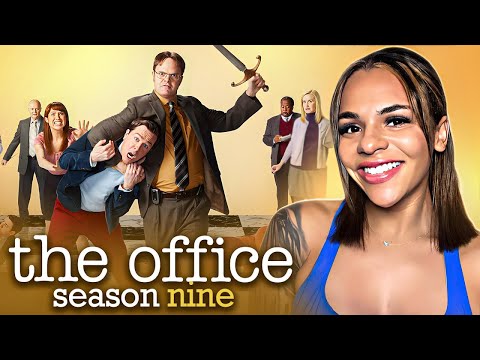
The Office Season 9 Episode 11 'Suit Warehouse' First Time Reaction
This video features a first-time reaction to 'Suit Warehouse,' the eleventh episode of the ninth season of the popular TV show, The Office. Viewers can expect to see genuine, unscripted responses and commentary from someone experiencing the episode's humor and storylines for the very first time. This reaction video offers a fresh perspective on the well-loved series, capturing the immediate emotional responses to the events unfolding on screen. It provides an entertaining way to revisit the episode through someone else's initial impressions.
The Office Season 9 Episode 12 'Customer Loyalty' First Time Reaction
This video captures a first-time reaction to The Office Season 9, Episode 12, titled 'Customer Loyalty'. Viewers can expect to see genuine, unscripted responses as the individual watches the episode for the very first time. The content will likely focus on key plot points, character developments, and comedic moments within this particular installment of the beloved series. It offers a fresh perspective for fans who have already seen the episode, or an entertaining companion for those watching along.
Why is everyone Bullying Creed? | Season 9 SUPERFAN Deleted Scene | A Peacock Extra - The Office
This deleted scene from The Office, Season 9, titled "Why is everyone Bullying Creed?", offers a glimpse into the ongoing, often humorous, mistreatment of Creed Bratton by his Dunder Mifflin colleagues. As an exclusive Peacock Extra, this clip likely provides further context or a standalone moment showcasing the unique dynamic of Creed within the office environment. Viewers can expect to see more of the dry wit and peculiar interactions that characterize the beloved character. The scene presumably highlights how the other employees playfully torment him, revealing their comical interactions and Creed's unusual responses.Cookies & Privacy 🍪
We use cookies to improve your experience
For more information, see our Privacy Policy