Efficiency in Comedy: The Office vs. Friends
Description
Have you ever wondered why a particular joke triggers a burst of spontaneous laughter while another feels forced? The world of the sitcom (situation comedy) relies on an almost mathematical structure of timing, rhythm, and precision. Yet, the two greatest masterpieces of recent decades—*Friends* and *The Office*—approach the craft of comedy from diametrically opposed perspectives. While *Friends* represents the pinnacle of the classic model, featuring a live studio audience and a high frequency of polished punchlines, *The Office* sparked a cognitive revolution through the mockumentary genre, where awkward silences and glances at the camera carry as much comedic weight as the script itself. The concept of "comedic efficiency" is not merely about the number of jokes per minute, but the precise ratio between the building of tension and its release. Looking deep into the mechanics of *Friends*, one can identify a formula of "synchronized laughter." The series utilizes a setup-and-punchline structure at a dizzying pace, sometimes delivering three or four jokes in a single minute. The character dynamics are based on distinct archetypes, allowing the audience to anticipate a reaction even before it is voiced. This is the efficiency of a well-oiled machine, relying on the traditional "sitcom beat"—a moment where the plot pauses to grant the viewer a guaranteed comedic hit. Efficiency here is measured by the ability to maintain high energy levels and a sense of "comfort food" familiarity, all while using a laugh track that functions as a conductor for the audience's emotional orchestra. In contrast, *The Office* (particularly the American version) redefined efficiency through an aesthetic of realism. Here, efficiency stems from minimalism. The series dispensed with the laugh track, instead utilizing handheld camera techniques and sudden zooms to create intimacy and intensity. In *The Office*, the funniest moments are often those where nothing is said; a moment of cringe that lingers longer than expected creates psychological tension in the viewer, making the subsequent release far more powerful. This is a different "economy of humor," where the quality of timing triumphs over the quantity of dialogue, and silence becomes the most potent comedic weapon in the writers' arsenal. The comparison between these two shows reveals the evolution of television tastes and the diverse ways the human brain processes humor. While *Friends* requires writing skill and theatrical execution reminiscent of modern vaudeville, *The Office* demands surgical editing and actors capable of conveying an entire world through a single blink. Ultimately, the comedic efficiency of both proves that there is no single "right" way to make people laugh, but there is one common thread: a profound understanding of human nature, with all its flaws, its absurdity, and its desperate need to find a moment of grace within the mundane routine.
Original title
יעילות בקומדיה: המשרד מול חברים
האם תהיתם פעם מדוע בדיחה מסוימת גורמת לנו להתפרץ בצחוק ספונטני בעוד אחרת מרגישה מאולצת? עולם הסיטקום (קומדיית המצבים) נשען על מבנה מתמטי כמעט של תזמון, קצב ודיוק, אך שתי יצירות המופת הגדולות של העשורים האחרונים – "חברים" ו"המשרד" – ניגשות למלאכת הצחוק מנקודות מבט הפוכות לחלוטין. בעוד ש"חברים" מייצגת את פסגת המודל הקלאסי, עם קהל חי באולפן ותדירות גבוהה של פאנצ'ליינים מלוטשים, "המשרד" חוללה מהפכה תודעתית באמצעות ז'אנר המוקומנטריה, שבו השתיקות המביכות והמבטים למצלמה נושאים משקל קומי לא פחות מהטקסט עצמו. המושג "יעילות קומית" אינו עוסק רק בכמות הבדיחות לדקה, אלא ביחס שבין בניית המתח לבין השחרור שלו. במבט עומק אל תוך המנגנון של "חברים", ניתן לזהות נוסחה של "צחוק מתוזמן". הסדרה משתמשת במבנה של הובלה ובדיחה (Set-up and Punchline) בקצב מסחרר, לעיתים שלוש או ארבע בדיחות בדקה אחת. הדינמיקה בין הדמויות מבוססת על הארכיטיפים המובהקים שנבנו עבורן, מה שמאפשר לקהל לצפות את התגובה עוד לפני שהיא נאמרה. זוהי יעילות של מכונה משומנת היטב, המסתמכת על ה"סיטקום ביט" המסורתי – רגע שבו העלילה עוצרת לרגע כדי להעניק לצופה את הזריקה הקומית המובטחת. היעילות כאן נמדדת ביכולת לשמור על רמת אנרגיה גבוהה ועל תחושת "ניחום" מוכרת עבור הצופה, תוך שימוש בפסקול צחוק שמתפקד כמנצח על התזמורת הרגשית של הקהל. לעומת זאת, "המשרד" (במיוחד בגרסתה האמריקאית) הגדירה מחדש מהי יעילות באמצעות האסתטיקה של הריאליזם. כאן, היעילות נובעת דווקא מהצמצום. הסדרה ויתרה על פסקול הצחוק והשתמשה בטכניקות של צילום כתף וזום פתאומי כדי ליצור אינטימיות ואינטנסיביות. ב"המשרד", הרגעים המצחיקים ביותר הם לעיתים אלו שבהם דבר לא נאמר; רגע של מבוכה שמתארך מעבר למצופה מייצר מתח פסיכולוגי אצל הצופה, והשחרור שמגיע לאחר מכן הוא עוצמתי פי כמה. זוהי "כלכלת צחוק" שונה, שבה איכות התזמון (Timing) גוברת על כמות המלל, והשקט הופך לכלי הנשק הקומי החזק ביותר בארסנל של הכותבים. ההשוואה בין שתי הסדרות חושפת את האבולוציה של הטעם הטלוויזיוני ואת הדרכים המגוונות שבהן המוח האנושי מעבד הומור. בעוד ש"חברים" דורשת מיומנות כתיבה וביצוע תיאטרלי המזכיר וודוויל מודרני, "המשרד" דורשת עבודה כירורגית של עריכה ושחקנים שמסוגלים להעביר עולם מלא רק באמצעות עפעוף בודד. בסופו של דבר, היעילות הקומית של שתיהן מוכיחה כי אין דרך אחת נכונה להצחיק, אך ישנו קו מחבר אחד: ההבנה העמוקה של הטבע האנושי, על כל חולשותיו, האבסורד שבו והצורך הנואש שלו למצוא רגע של חסד בתוך השגרה.
Video transcript
This video has no captions on YouTube.
You can generate an approximate AI transcript from the video metadata.
Related Videos
BEST TALKING HEADS (Season 1) - The Office US
This video compiles the best "talking head" interview segments from the first season of the American version of The Office. Viewers can relive some of the funniest and most iconic confessional moments from characters like Michael Scott, Jim Halpert, Pam Beesly, and Dwight Schrute. It offers a concise collection of character insights and comedic relief that defined the early episodes of the beloved sitcom. Fans of the show will enjoy this nostalgic look back at the origins of its unique humor.The Office Wedding Dance - The Office
This video features the memorable wedding dance from the beloved TV show "The Office." It showcases the unique and humorous choreography performed by the cast during a wedding celebration. Fans of the series will recognize the iconic characters and their quirky moves in this fan-favorite scene. The clip captures the joyous and unconventional spirit of the show's characters as they celebrate a special day.Office moments that make you want to rewatch the entire show (again)
This video compiles hilarious and heartwarming moments from "The Office" that will make you want to revisit the entire series. It showcases the best of the Dunder Mifflin Scranton branch, highlighting the unique humor and beloved characters. Prepare for a wave of nostalgia as you relive iconic scenes and discover new reasons to love this classic sitcom. This compilation is perfect for both long-time fans and newcomers looking for a laugh.The Office Funniest Moments I Quote Everyday - The Office US
This video compiles some of the most hilarious and memorable moments from the beloved American sitcom "The Office." It focuses on scenes and quotes that have become iconic and are frequently referenced by fans in their daily lives. Viewers can expect to relive classic gags and witty dialogue that define the show's humor.Michael Loves Filet-O-Fish - The Office US
This video clip from The Office (US) features Michael Scott and his fondness for the Filet-O-Fish sandwich. The clip likely showcases Michael's peculiar and often humorous interactions surrounding his food choices. Viewers can expect to see his quirky personality shine through as he discusses or consumes the McDonald's item. It's a classic example of Michael's character-driven comedy within the beloved show. This will appeal to fans of The Office and those who enjoy character-specific comedic moments.Pilot Episode Fun Facts | A Peacock Extra | The Office US
This video, an exclusive "Peacock Extra," delves into fascinating fun facts about the pilot episode of the beloved American comedy series, The Office US. Viewers can expect to uncover behind-the-scenes trivia and interesting tidbits that shed new light on the show's very first installment. It's a perfect watch for fans looking to deepen their appreciation for the iconic series right from its inception. The content offers an engaging look at what made the pilot so special and memorable.Michael Scott Deleted Scenes That Shouldn't Have Been Cut
This video showcases a compilation of deleted scenes featuring Michael Scott from the iconic TV show "The Office." These scenes, for various reasons, didn't make the final cut but offer additional comedic moments and insights into Michael's character. Fans of the show will appreciate these rare and often hilarious glimpses into the world of Dunder Mifflin. It's a treat for anyone who wishes there was even more of Michael Scott to enjoy.


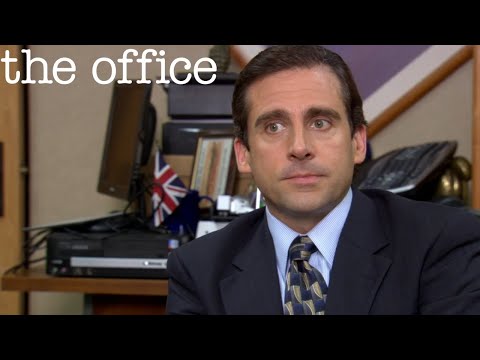

The Office Happy Moments - Good Old Days
This video compiles heartwarming and hilarious moments from the beloved TV series 'The Office'. It captures the essence of the show's humor and charm, focusing on the positive interactions and memorable antics of the Dunder Mifflin Scranton branch employees. Viewers can relive the joy and camaraderie that made the series a global phenomenon, celebrating the 'good old days' with their favorite characters. The compilation is a nostalgic journey through the series' most uplifting scenes, perfect for fans wanting to revisit the show's brighter side.Cookies & Privacy 🍪
We use cookies to improve your experience
For more information, see our Privacy Policy